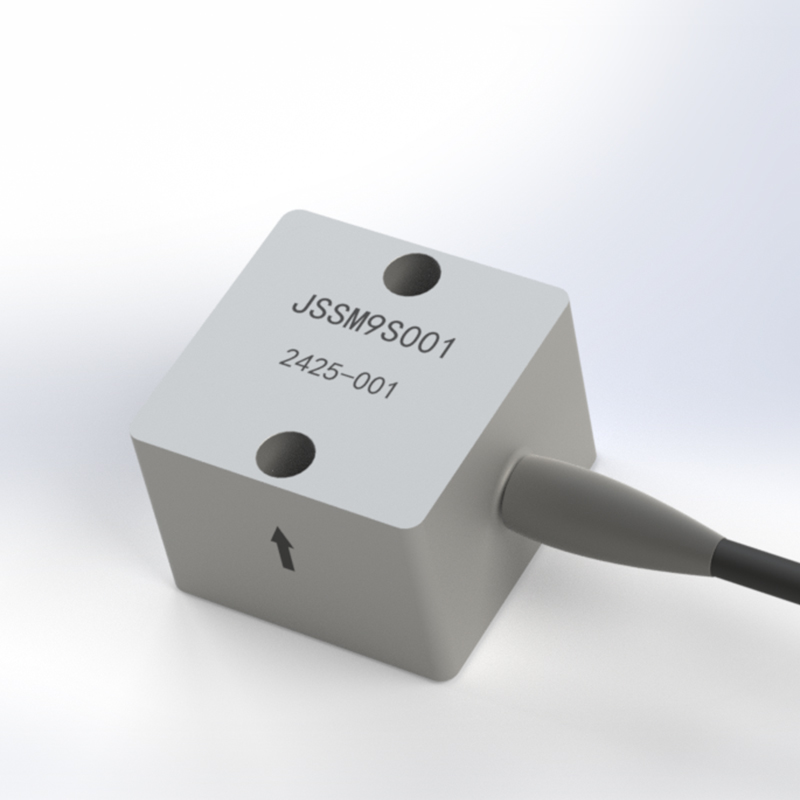
● Fundamental Technology: MEMS Piezoresistive
●Housing Material: Single-piece TC4 Titanium Alloy
● Frequency Response: Up to 20 kHz
● Shock Survival: 70,000 g
● Measuring Range: Selectable ±20,000 g / ±50,000 g
● Linearity: < ±2% Full Scale Output (FSO)
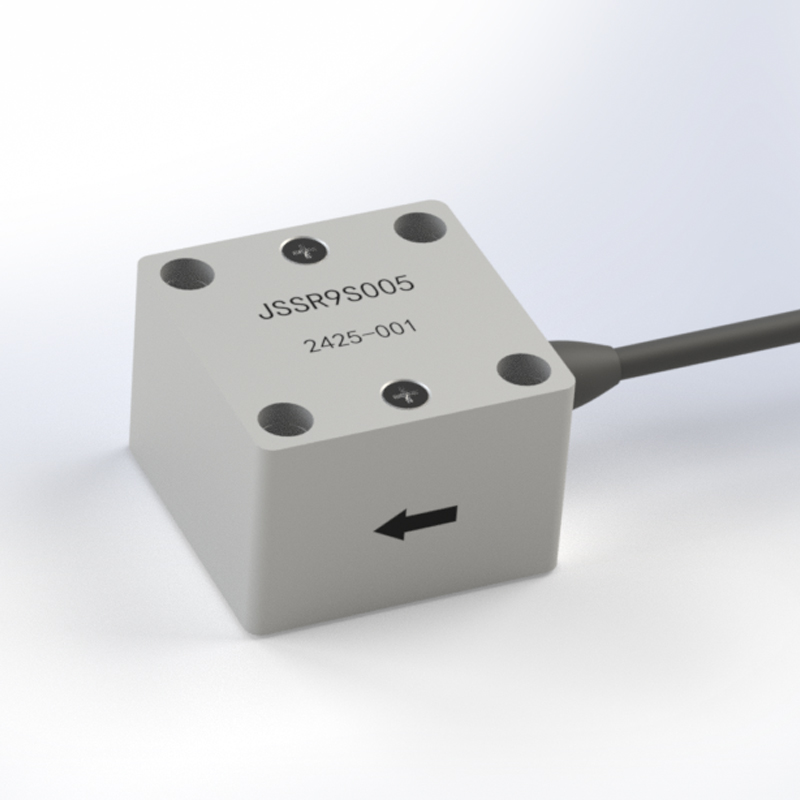
The JSSR9S0 is a high-performance shock sensor that incorporates MEMS piezoresistive technology. It has a monolithic titanium alloy structure that is precision-machined and employs 3D packaging for the sensing element. Such a sturdy design has the capability of accurately measuring extremely high shock impulse events of over 10,000 g, and it also ensures excellent signal quality. This device is a perfect answer for the most challenging tasks of the defense/military and automotive crash sectors.
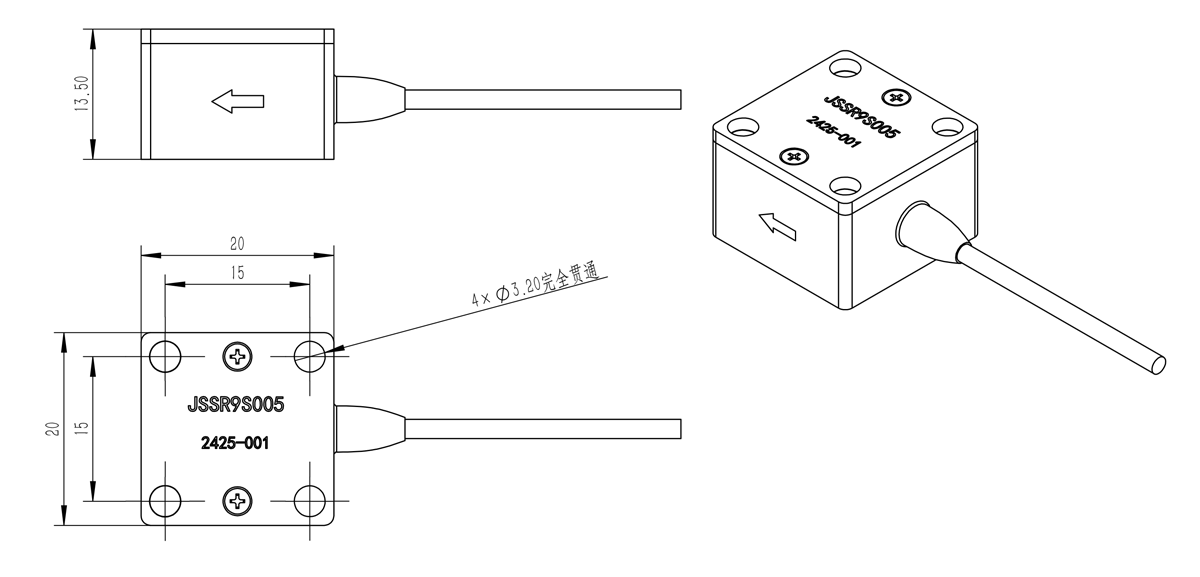
Product Dimensions
Product Electrical Interface
Wiring color
Red
Black/blue
Green
Yellow
White
Wiring Definition
Power positive
Power ground*
X-axis output
--
--
* Note: Reference ground for signal measurement
Performance Specifications
The JSSR9S0 sensor is a triaxial acceleration measurement sensor. Its key performance specifications are listed as below.
Unless otherwise specified, all testing was conducted under the following conditions: 12 VDC, 25°C, 50% R.H., and 1 standard atmosphere.
1. Q: Why go for piezoresistive (instead of capacitive) MEMS in this sensor?
A: By employing the piezoresistive technique, the sensor can output a true DC response (0 Hz), which is indispensable in capturing the whole low-frequency content of long-duration shock pulses, as in crash testing and blast monitoring. 2. Q: What installations happen to call for a 70,000g survival rating?
A: The reason why this very high rating must be permitted is that the forces which occur during ballistic impacts, pyrotechnic events, and explosive blast monitoring far exceed the sensor’s measurement range. The rating, therefore, enables the sensor to survive and the data to remain accurate. 3. Q: The sensor possesses a considerable zero offset (2.5V). What is the impact of this on signal acquisition?
A: Because of the big offset, your data acquisition system will have to have either AC coupling or a bipolar power supply. It is indeed a must if signal clipping is to be avoided and positive and negative shock pulses are to be correctly recorded. 4. Q: What is the reason behind the ±20,000g to ±50,000g range?
A: Occasionally, the sensor is taken to the limits of its range when there is an extreme transient event like projectile impact, armor testing, or an airbag detonation, when accelerations are likely to really go beyond the capability of a conventional industrial sensor. That is where these ultra-high ranges come in. 5. Q: Apart from the usual, how should this sensor be installed?
A: The sensor is capable of responding to frequencies as high as 20 kHz, so it must be firmly fixed with the M3 screws provided to a clean and flat surface. Because the case is conductive, a single-point ground connection must be used to reduce electromagnetic interference in a noisy testing environment.
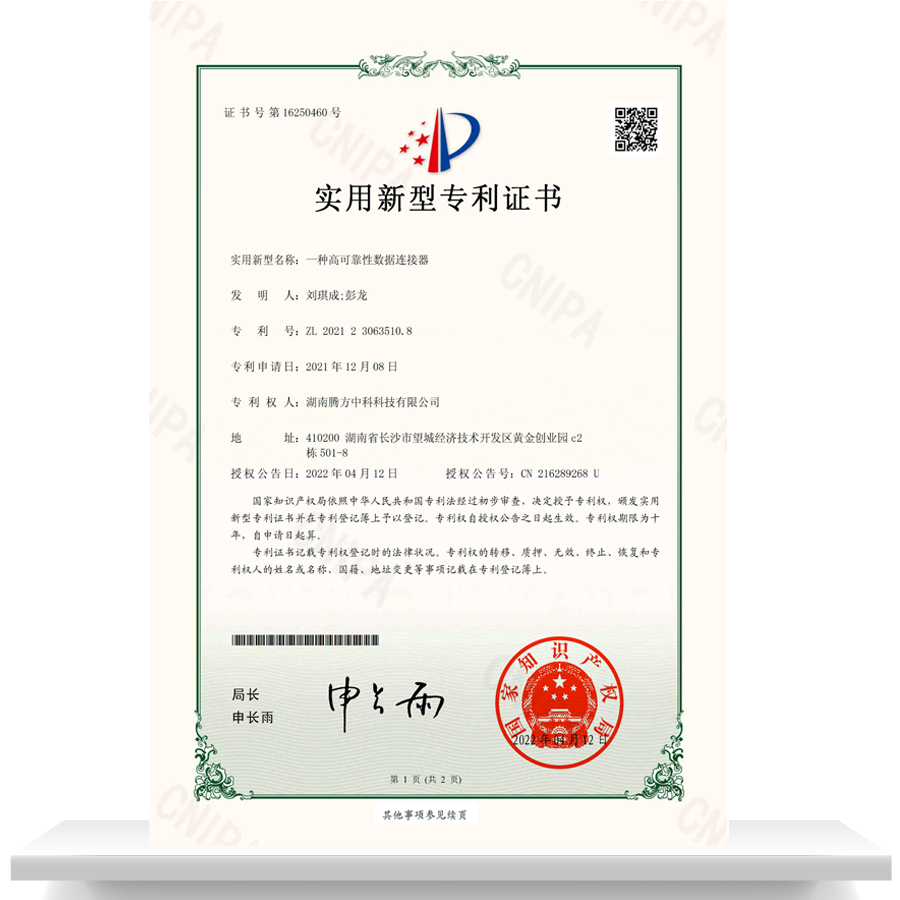
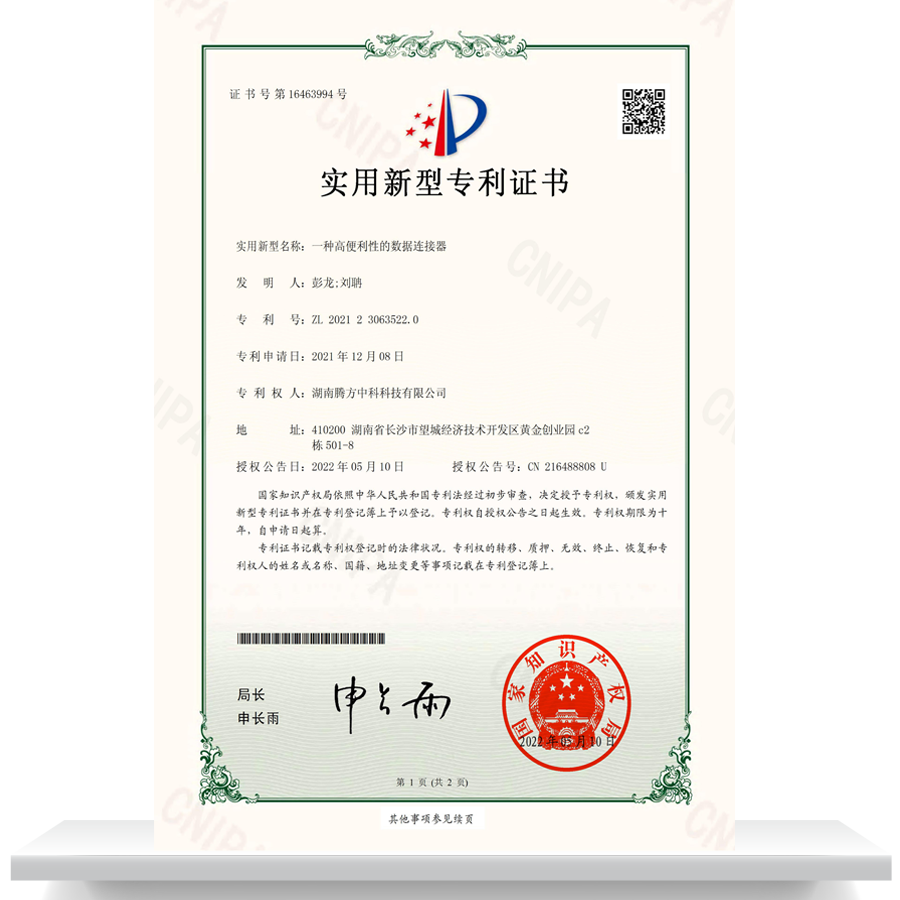
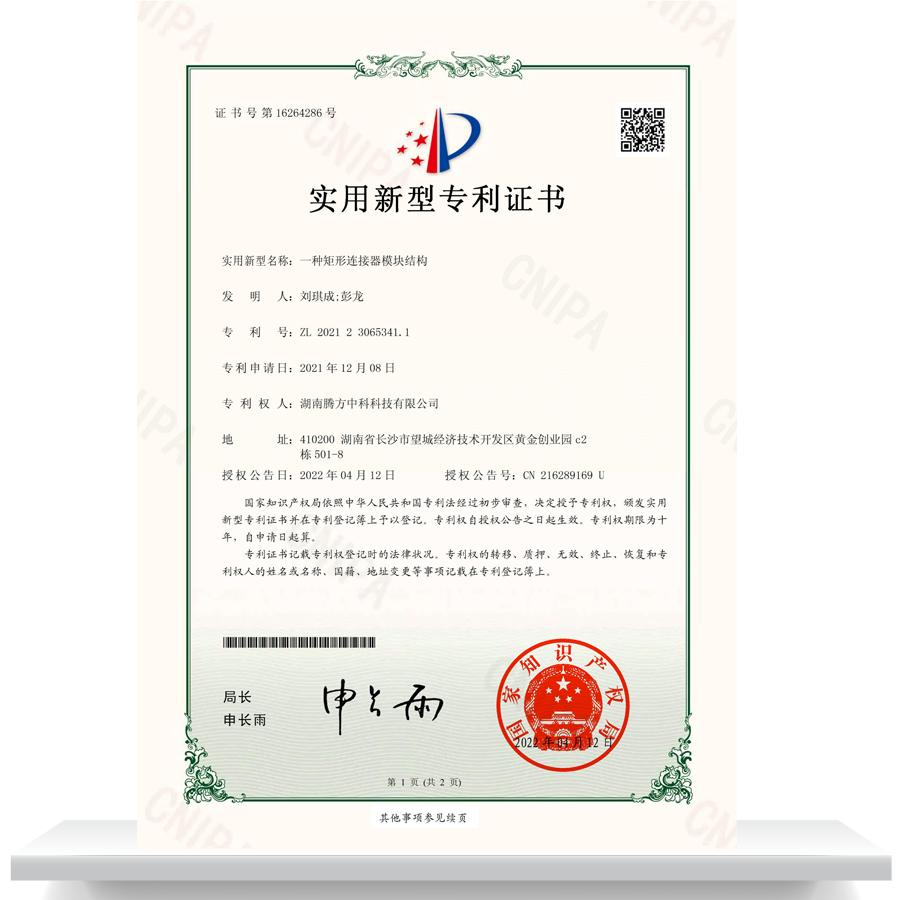
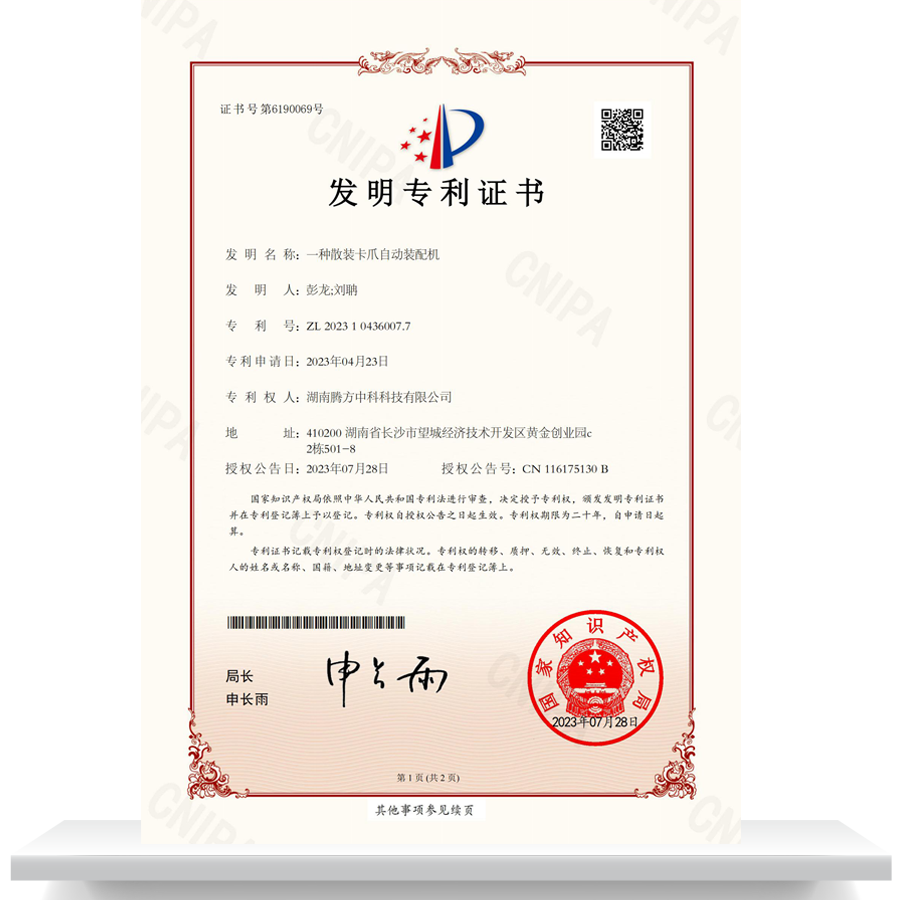
TFC was founded in 2015, with its headquarters located in Changsha, Hunan. It has a standardized workshop of over 6,000 square meters and takes "Making every connection more reliable, making every piece of data more accurate" as its guiding principle, dedicated to providing customers with high-performance component products and solutions. The company has three business divisions: Instrumentation, Connectors, and Sensors. It is a national high-tech enterprise integrating R&D, production, testing, and sales, covering technologies such as signal connection technology, signal conditioning technology, signal switching technology, and signal detection technology.
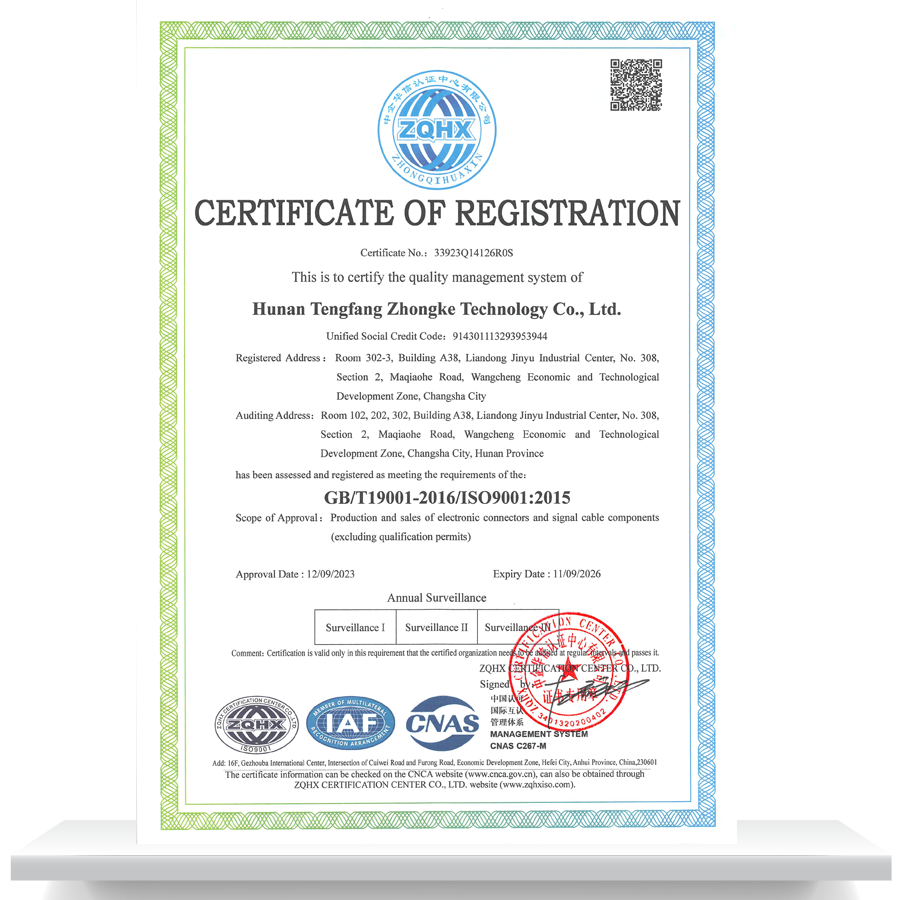
TFC has obtained National Standard (GB) Quality Management System Certification and Weapon Equipment (GJB) Quality System Certification. It has also established an independent and complete internal quality testing system. All products undergo strict full-process testing in accordance with national standards (GB) and weapon equipment standards (GJB) to ensure compliance and stability of performance.