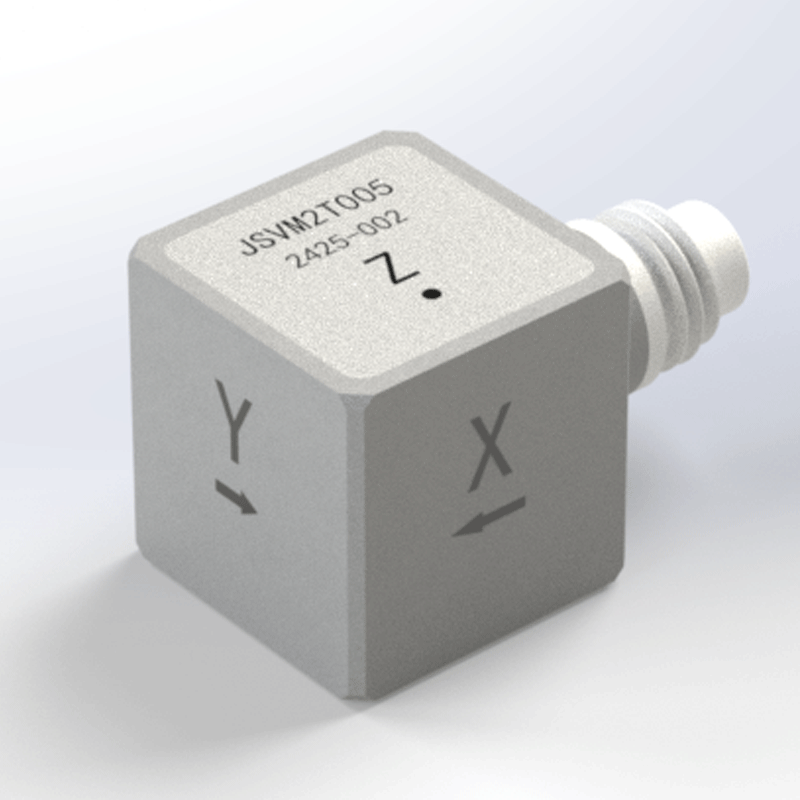
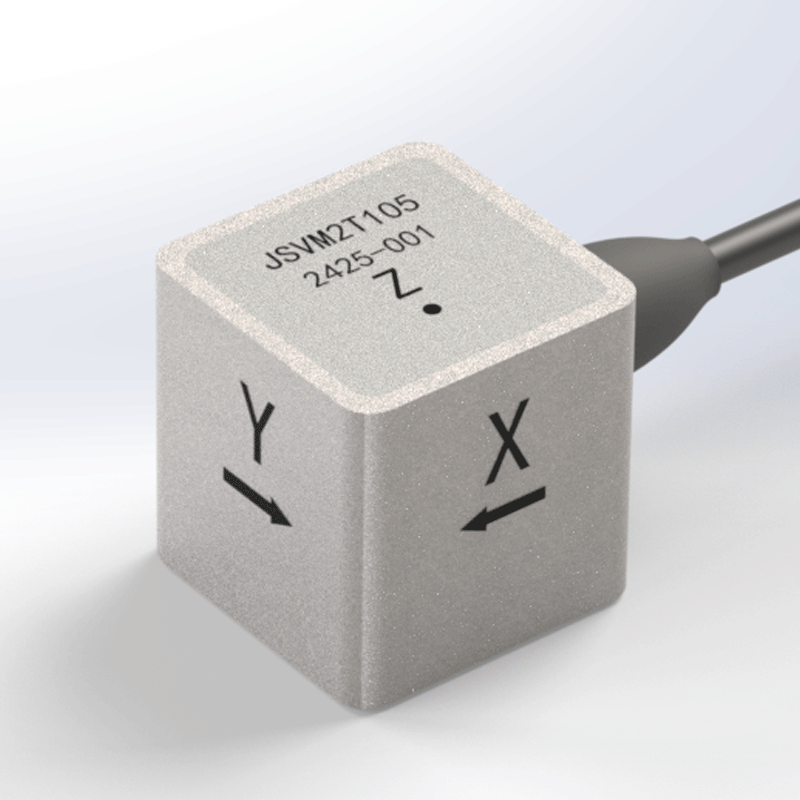
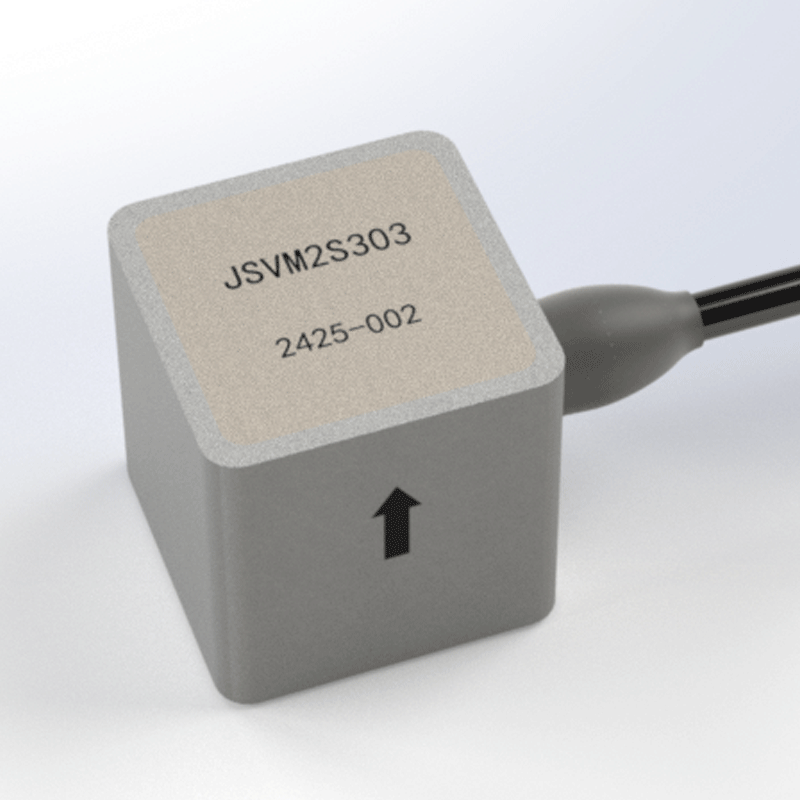
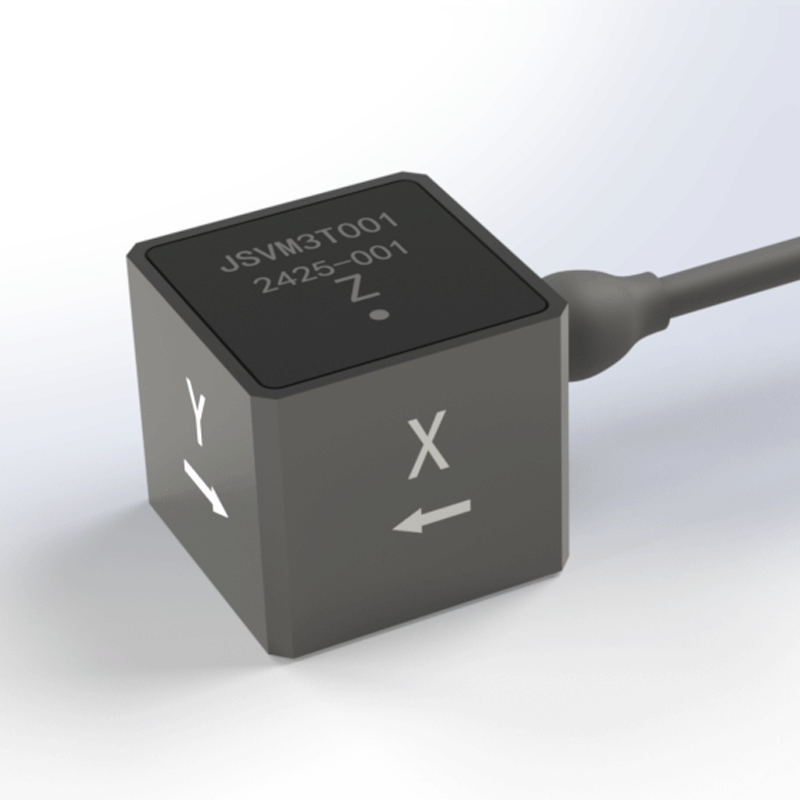
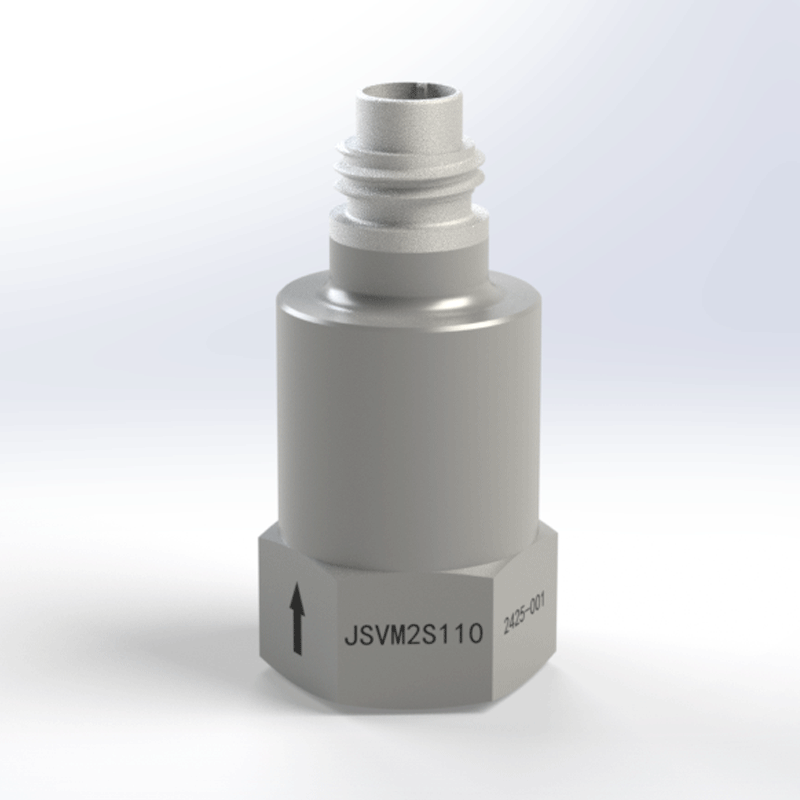
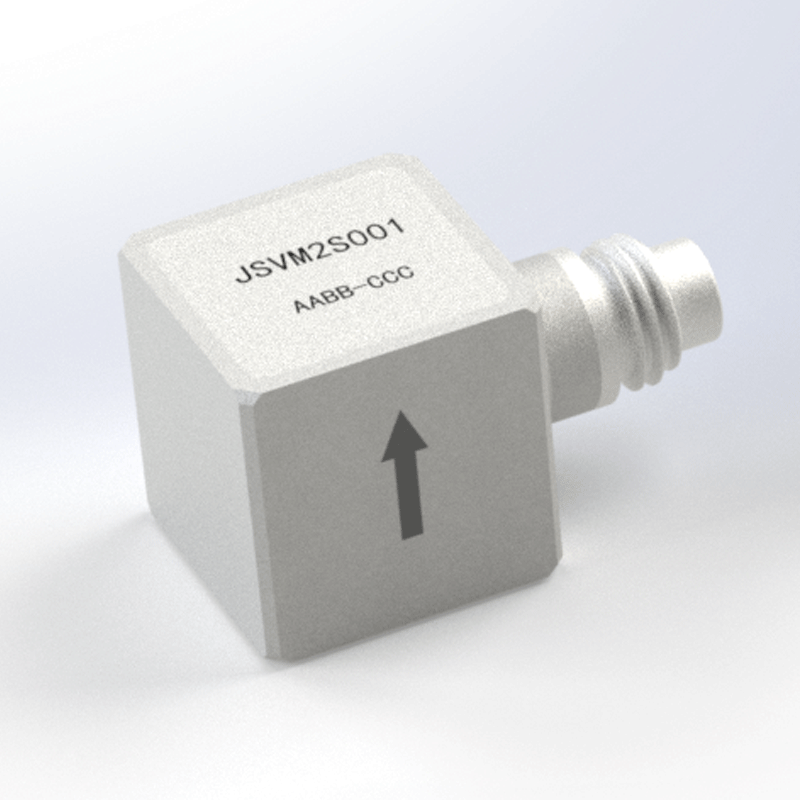
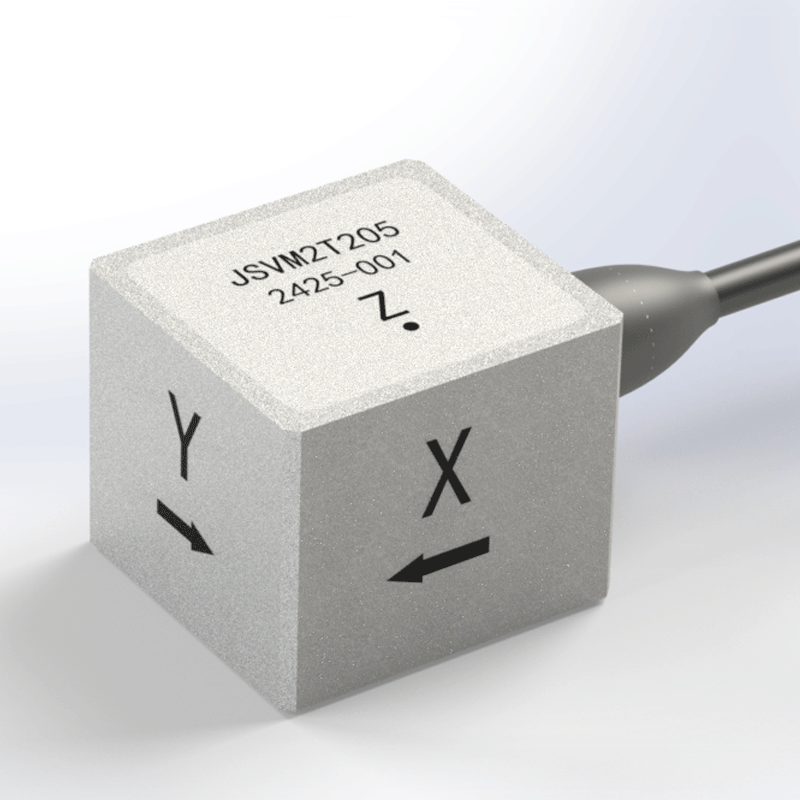
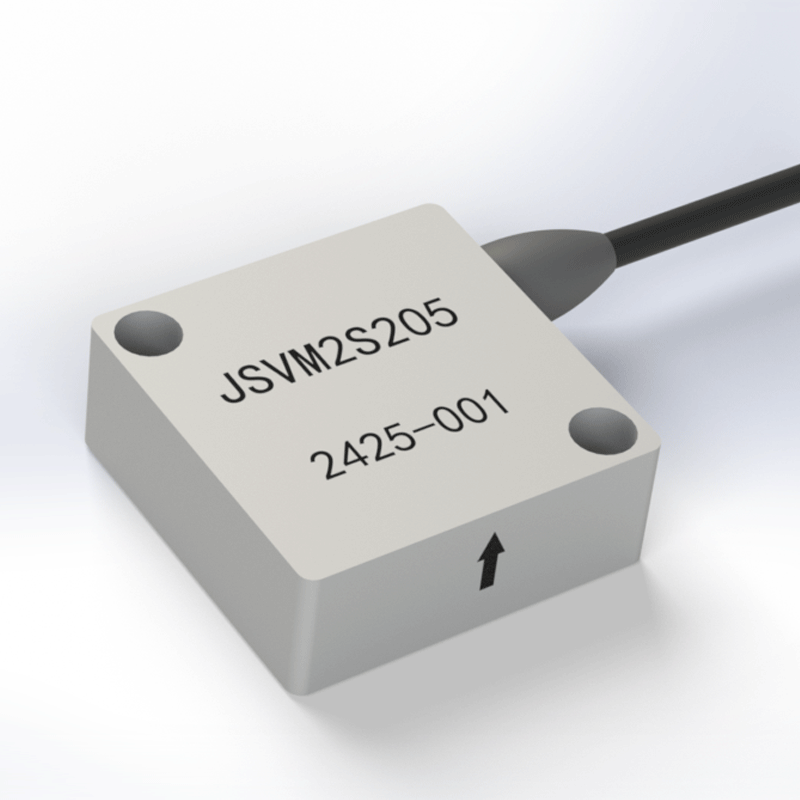
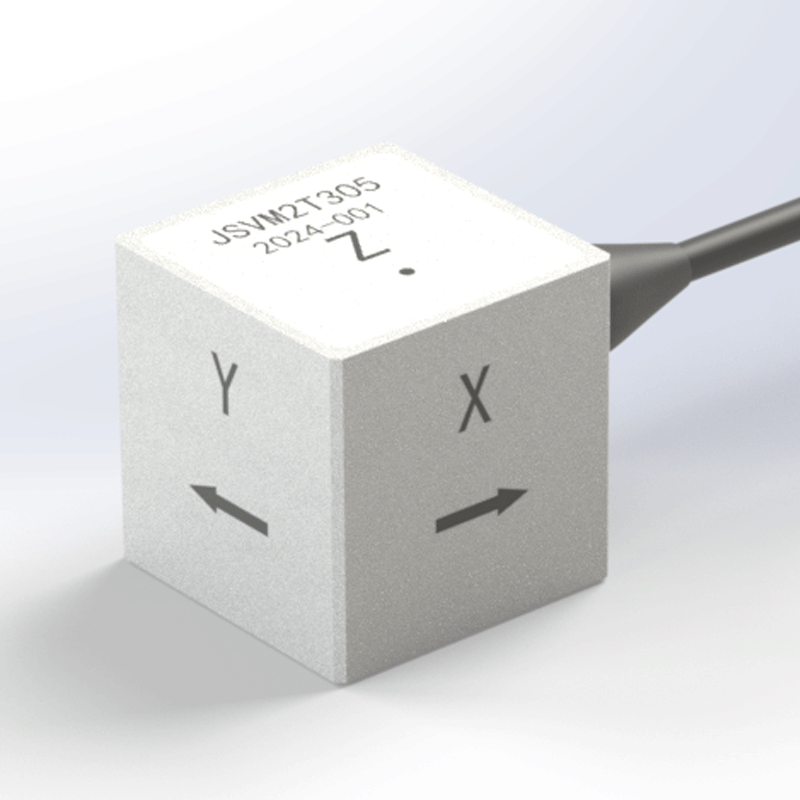
The JSVM2T0 Aerospace Vibration Sensor sets the benchmark for a highly reliable measurement standard in the most challenging Defense and Aviation applications. It is a top-class Military Grade Accelerometer that blends the toughness of the battle-proven equipment with the charm of precision engineering and features a sturdy 304 stainless steel monolithic housing that not only resists extreme environments but also guarantees exceptional measurement accuracy. Being a specialist High Frequency Vibration Sensor, it records the entire range of vibration data starting from real DC (0 Hz) to 10,000 Hz, which makes it possible to carry out complete structural and mechanical analyses of the most critical aerospace and defense systems.
Designed to meet the most critical mission requirements, this smart 304 Stainless Steel Vibration Sensor is capable of providing 100% reliability to you in situations when failure is not an option. The 10,000g shock survival rating will guarantee that the unit keeps functioning perfectly even after ballistic impacts, explosive events, or extreme mechanical shocks, and its super-lightweight 15g design will not create mass loading effects on the delicate aerospace structures. This multipurpose Defense Testing Equipment will give you the possibility to track your static orientation and monitor dynamic vibration at the same time, thus, without compromising your space, you will be able to remove one more device from the list of needed ones.
Critical Performance Specifications
Superb frequency response range: 0 Hz to 10,000 Hz Outstanding shock survival: 10,000g on any axis Different types of ranges: ±50g to ±500g Extremely light construction: only 15 grams Quiet sensor: from 35 μg/√Hz Operational temperature range (Military standard): -40°C to +85°C
The Aerospace Vibration Sensor feature of the JSVM2T0 is what makes it a must-have piece of equipment for the monitoring of aircraft structures, a test of satellite parts, and validating of defense platforms. As a dependable Military Grade Accelerometer, it will deliver stable performance and provide correct data even in a high-electromagnetic-interference environment typical of military and aerospace applications. The High Frequency Vibration Sensor design makes it possible to detect at a very early stage bearing degradation, gear mesh frequencies, and acoustic emissions, which are normally followed by the breakdown of mechanical parts, thus bringing about the possibility of carrying out scheduled maintenance.
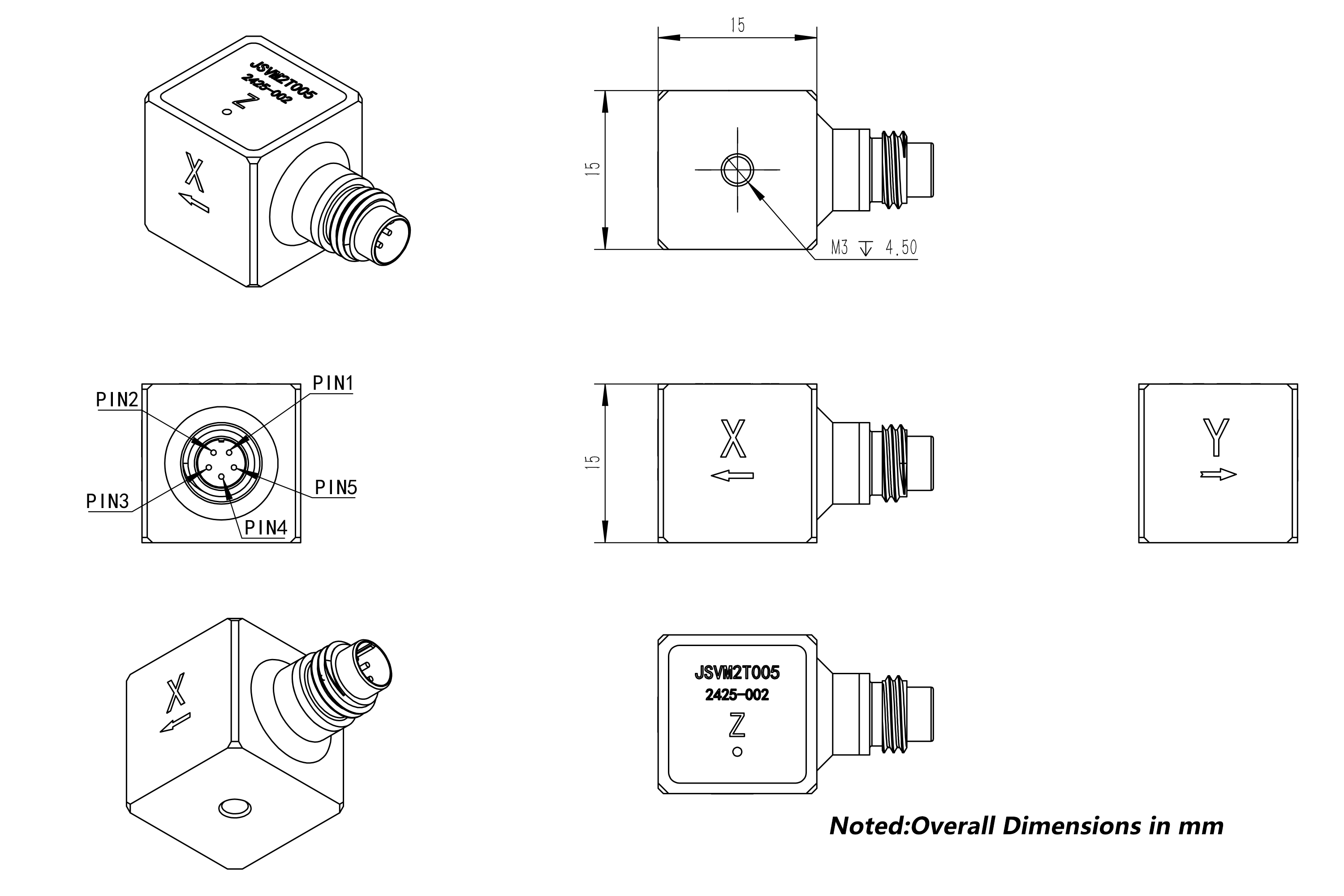
Product Dimensions
Product Electrical Interface
Wiring color
Red
Black
Green
Yellow
White
Wiring Definition
Power positive
Power ground*
X-axis output
Y-axis output
Z-axis output
* Note: Reference ground for signal measurement
Performance Specifications
The JSVM2T0 is a triaxial vibration sensor. Its key performance specifications are listed as below.
Unless otherwise specified, all testing was conducted under the following conditions: 12 VDC, 25°C, 50% R.H., and 1 standard atmosphere.
This robust 304 Stainless Steel Vibration Sensor offers optimized range selection for specific operational requirements. The ±50g model provides superior resolution for structural monitoring and subtle vibration analysis, while the ±500g version handles extreme shock events in weapons testing and impact scenarios. The isolated case design prevents ground loops in complex multi-sensor installations, ensuring data integrity in sophisticated Defense Testing Equipment configurations.
With its proven reliability in extreme conditions, comprehensive frequency coverage, and military-grade construction, the JSVM2T0 establishes new benchmarks for aerospace and defense sensing. Trust this battle-tested Aerospace Vibration Sensor to deliver accurate, reliable performance when mission success depends on precise data - the ultimate choice for engineers and program managers responsible for critical defense and aviation systems.
FAQ
1. Q: What is the main benefit of a triaxial sensor from 0 Hz (DC) for measurement of complex motions in aerospace & defense applications? A: Being able to measure DC (0 Hz) means that this sensor can carry out both static tilt and inclination measurements in addition to dynamic vibration. In aerospace applications, the monitoring of the aircraft attitudes on the ground or slow structural flexing during the flight is possible when simultaneously capturing high-frequency vibrations coming from engines or avionics. As for defense, the method makes it possible for tracking platforms' orientation and measuring precisely shock waves from blasts or impacts with a single, compact unit; thus, you do not need separate tilt and vibration sensors anymore.
2. Q: 0–10,000 Hz (±3dB) is the frequency response. What impact does this extremely wide bandwidth have on capturing real-world vibration events?
A: Real shocks and vibrations comprise energy spreading over a very large range of frequencies. A bandwidth of 10 kHz will thus allow you to capture the complete-event signature:
Low Frequencies (0–100 Hz): They will give you structural resonances as well as very low-frequency movements.
Mid Frequencies (100–2,000 Hz): This is the range where gear meshing and most rotational fault analyses are best performed.
High Frequencies (2,000–10,000 Hz): At this frequency band, one can spot bearing defects when they are at the very beginning, record pyrotechnic shock wave, and study high-frequency acoustic emissions caused by crack propagation. Restricting the bandwidth thus means cutting out these high-frequency details that are very essential.
3. Q: How do variations of noise density from 35 to 150 µg/√Hz across ranges affect my choice between the ±50g and ±500g versions, for example? A: It is a classical illustration of the trade-off between measurement range and signal resolution: Go for the ±50g version (35 µg/√Hz): This is the right choice for the applications that require a high resolution to detect very subtle vibrations. There are, however, inconveniences in the case of using such a highly sensitive measurement sensor like the noise created inside the instrument can be mistaken as a measurable signal. Go for the ±500g version (150 µg/√Hz): This model is suitable for applications that involve high-amplitude shocks where signal clipping has to be avoided. Here, a higher noise floor is an acceptable trade-off to make sure the full amplitude of a high-G event is being captured without saturation. Rule#: Pick the smallest range covering your maximum expected acceleration to have the best signal-to-noise ratio.
4. Q: An "Isolated Case" characterizes the sensor. How does this alleviate the problems of a multi-sensor test setup? A: An isolated case prevents ground loops. When the various sensors are mounted on the conductive structure of a vehicle or an aircraft, if their cases are also conductive and grounded, then slight voltage differences between ground points can cause current to flow between the sensors through the structure at a very low resistance. This current is a source of 60/50 Hz hum and noise within the signal, causing the signal to become less reliable. The isolated case acts as a break in this circuit, thus resulting in cleaner data and easier system integration. 5. Q: What makes the 15-gram lightweight design and the 10,000-gram shock resistance so significant for the above-mentioned military and aerospace applications? A: Here are the reasons: Lightweight (15 grams): The weight load is kept at a minimum. For instance, when the use of a heavier sensor changes the natural vibration characteristics of a light structure (such as a thin aircraft panel or satellite component), it is referred to as weight load alteration. Hence, the results obtained are a true indication of how the structure actually performs. Surprisingly High Shock Resistance (10,000 grams): The sensor is capable of undergoing a variety of extreme events, such as ballistic impacts, blast impacts, hard landings, or pyrotechnic device detonations, without the loss of its functionality and its mechanical integrity. This feature guarantees that data is collected during the event, and the sensor is available for use after the event.
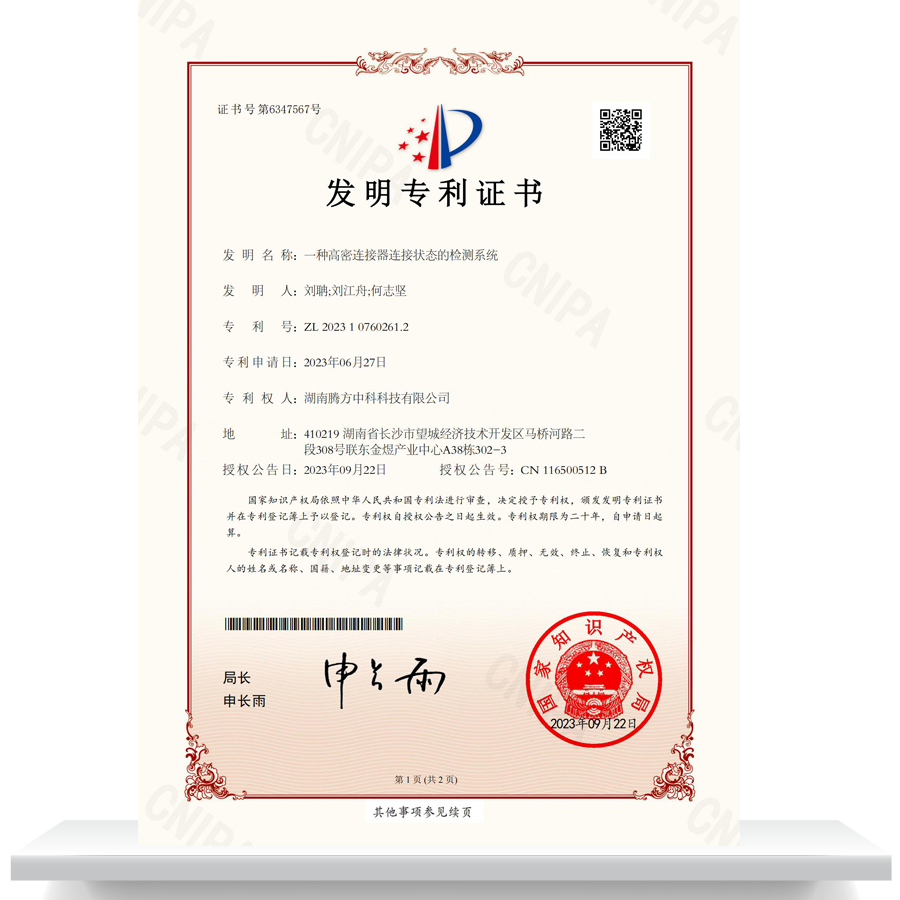
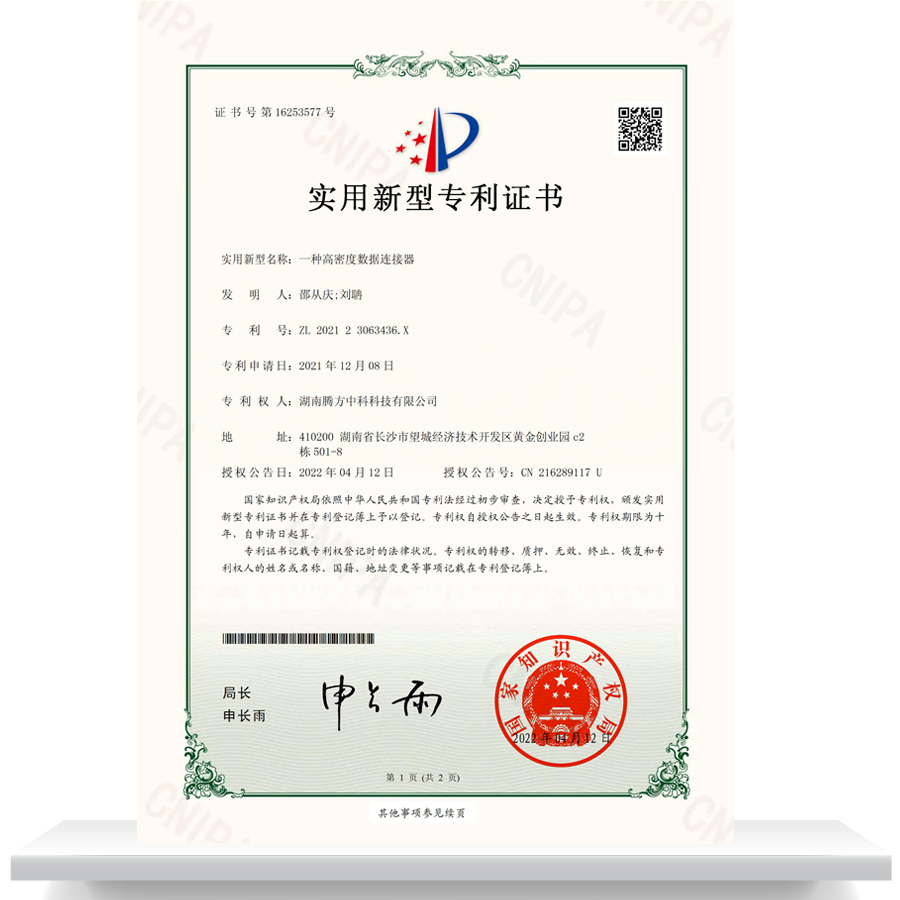
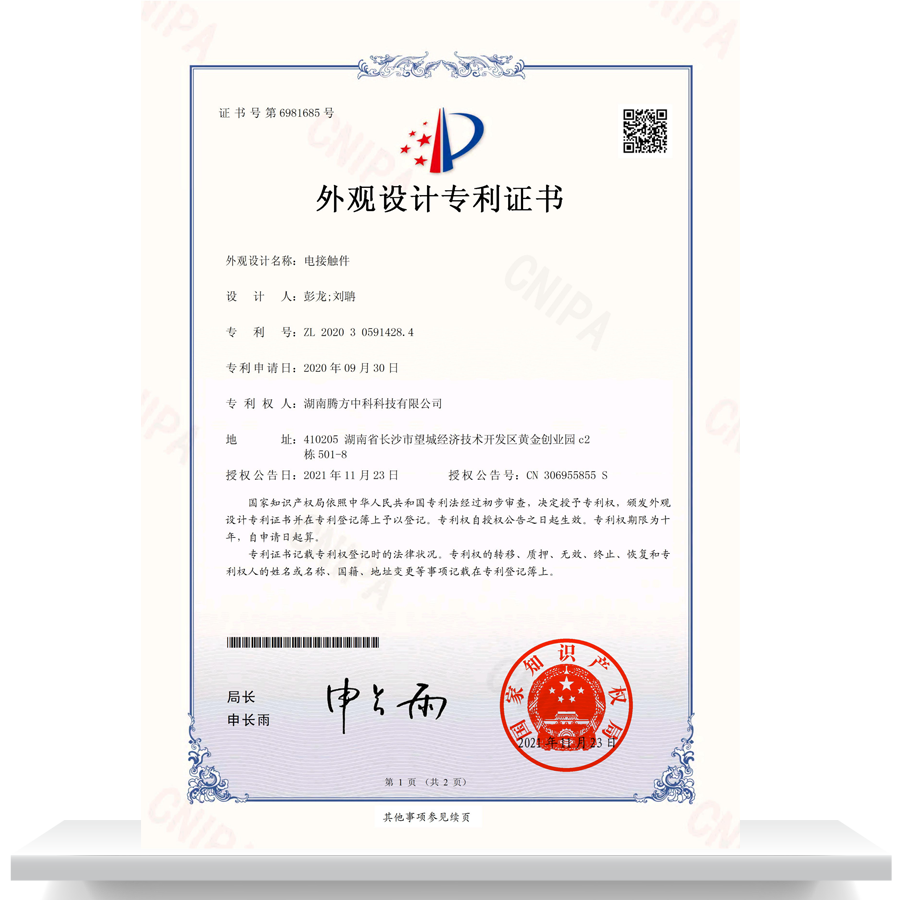
TFC was founded in 2015, with its headquarters located in Changsha, Hunan. It has a standardized workshop of over 6,000 square meters and takes "Making every connection more reliable, making every piece of data more accurate" as its guiding principle, dedicated to providing customers with high-performance component products and solutions. The company has three business divisions: Instrumentation, Connectors, and Sensors. It is a national high-tech enterprise integrating R&D, production, testing, and sales, covering technologies such as signal connection technology, signal conditioning technology, signal switching technology, and signal detection technology.
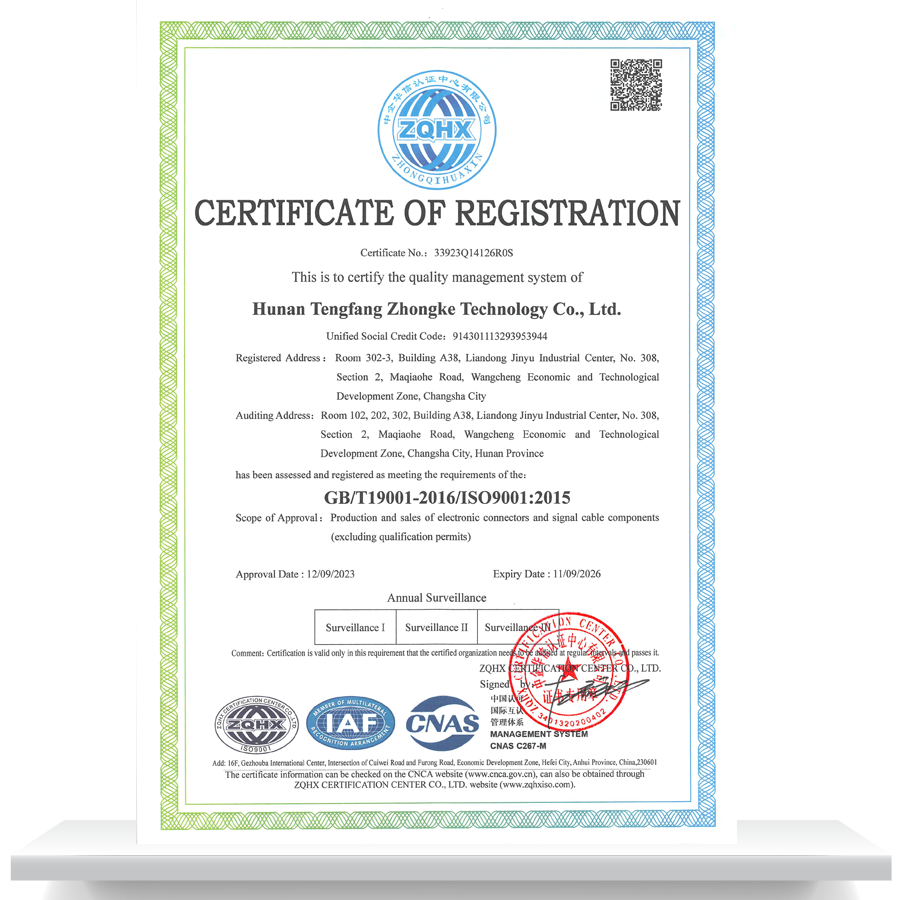
TFC has obtained National Standard (GB) Quality Management System Certification and Weapon Equipment (GJB) Quality System Certification. It has also established an independent and complete internal quality testing system. All products undergo strict full-process testing in accordance with national standards (GB) and weapon equipment standards (GJB) to ensure compliance and stability of performance.