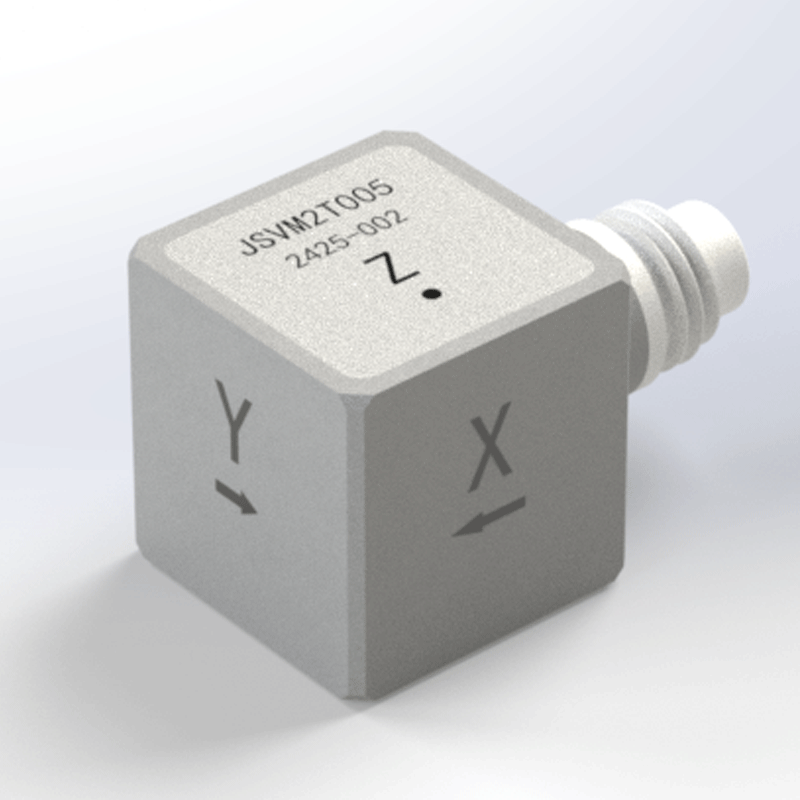
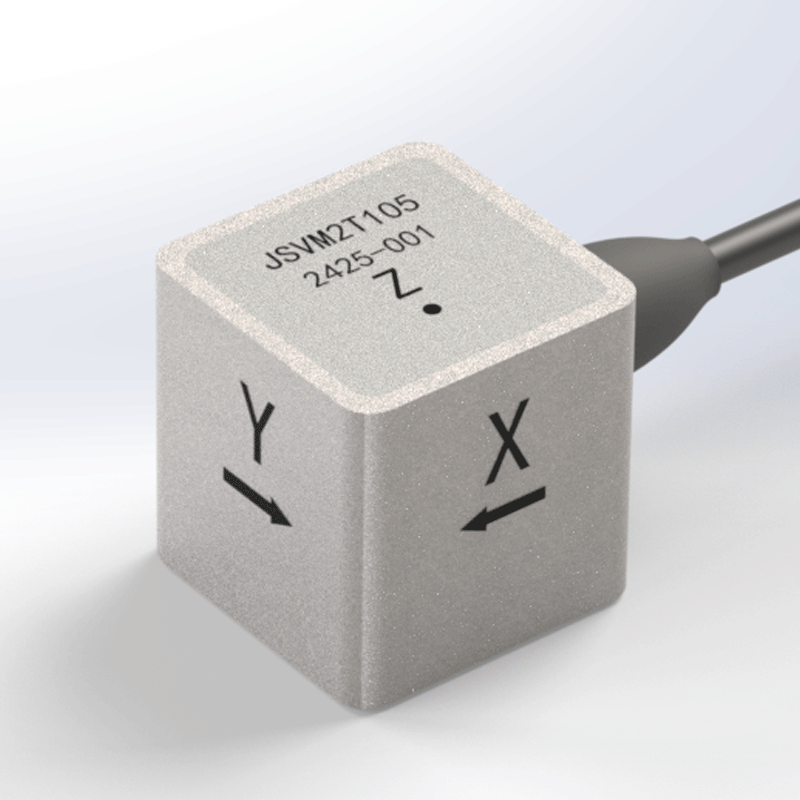
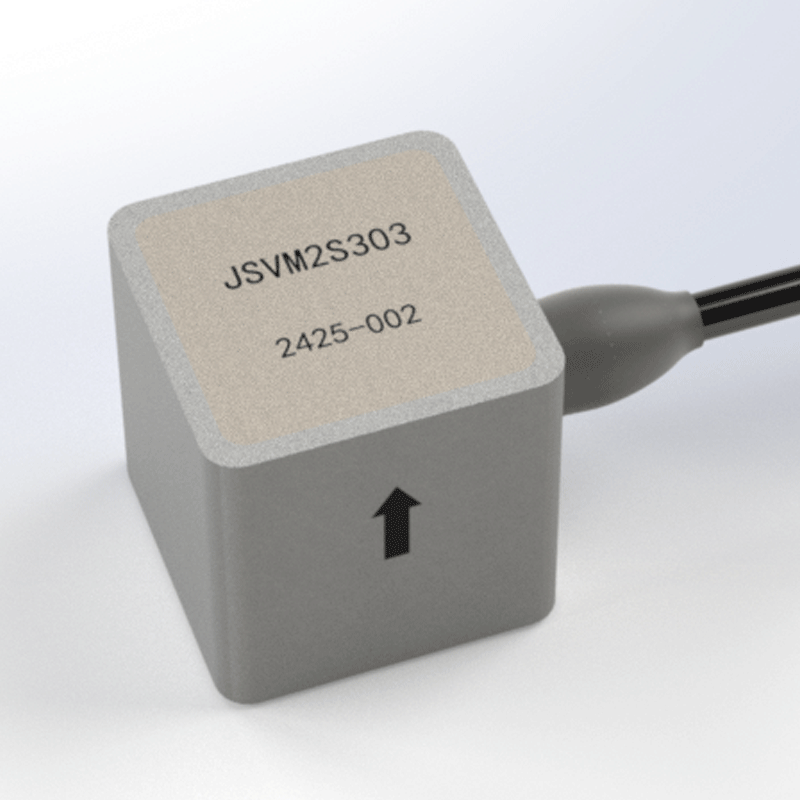
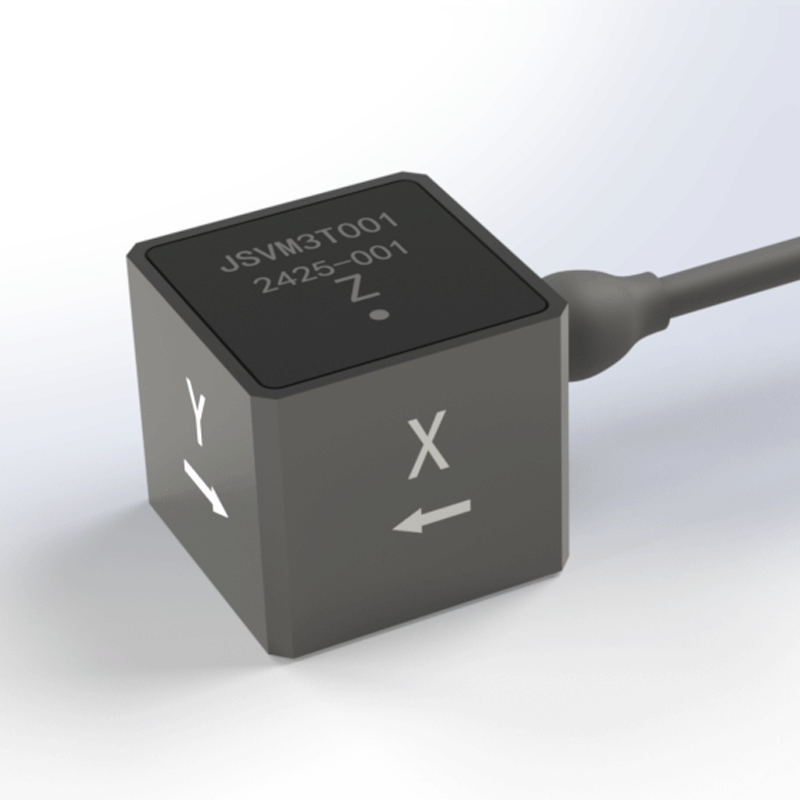
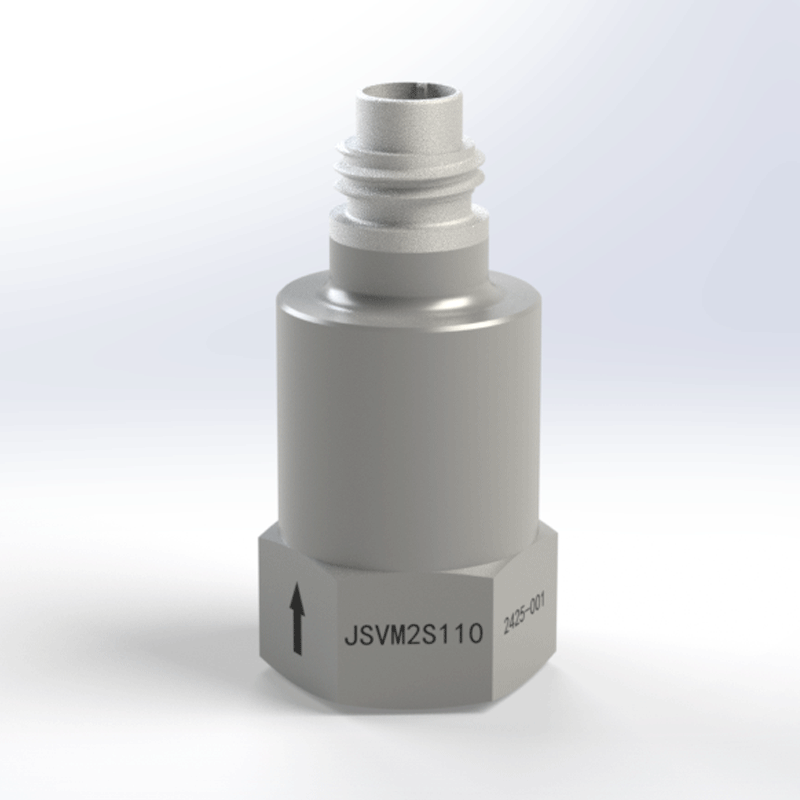
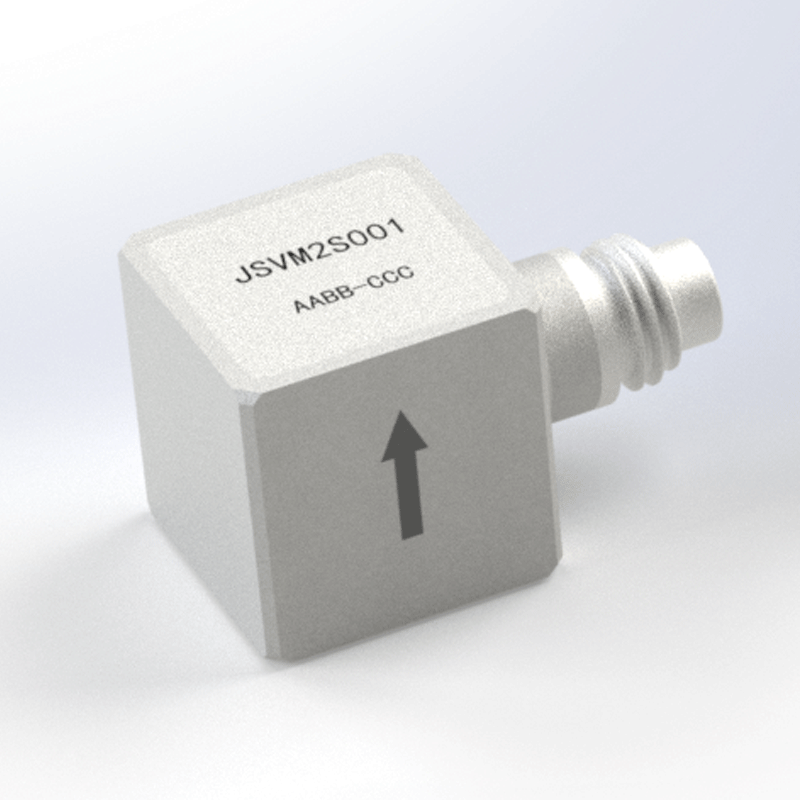
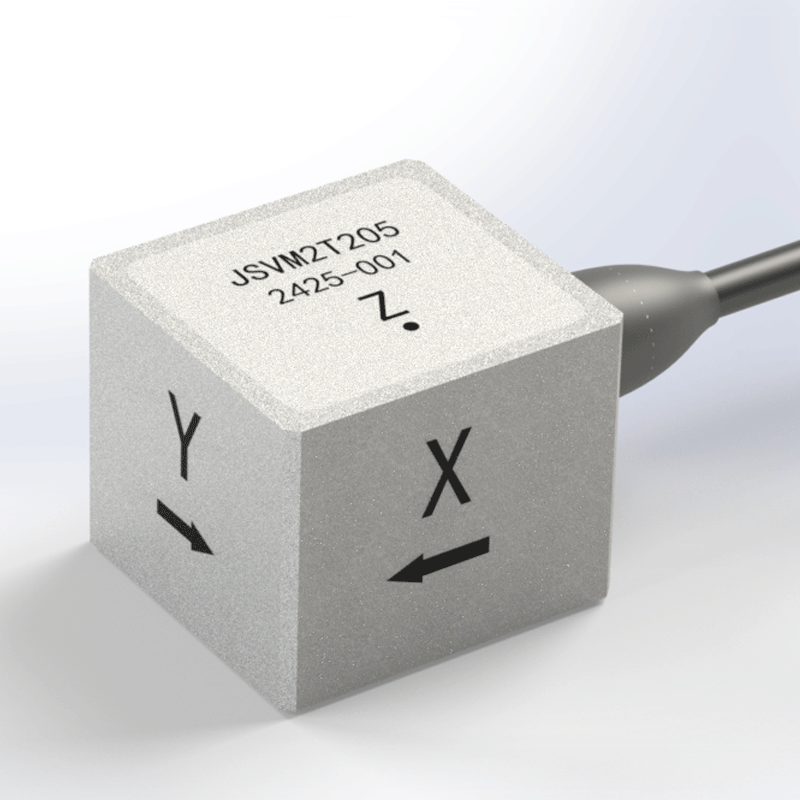
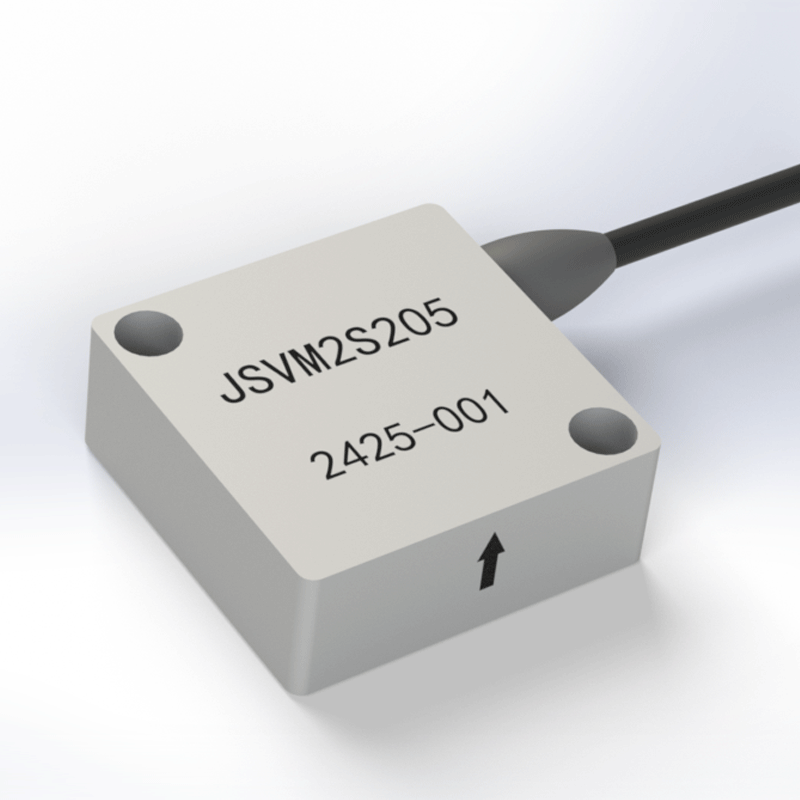
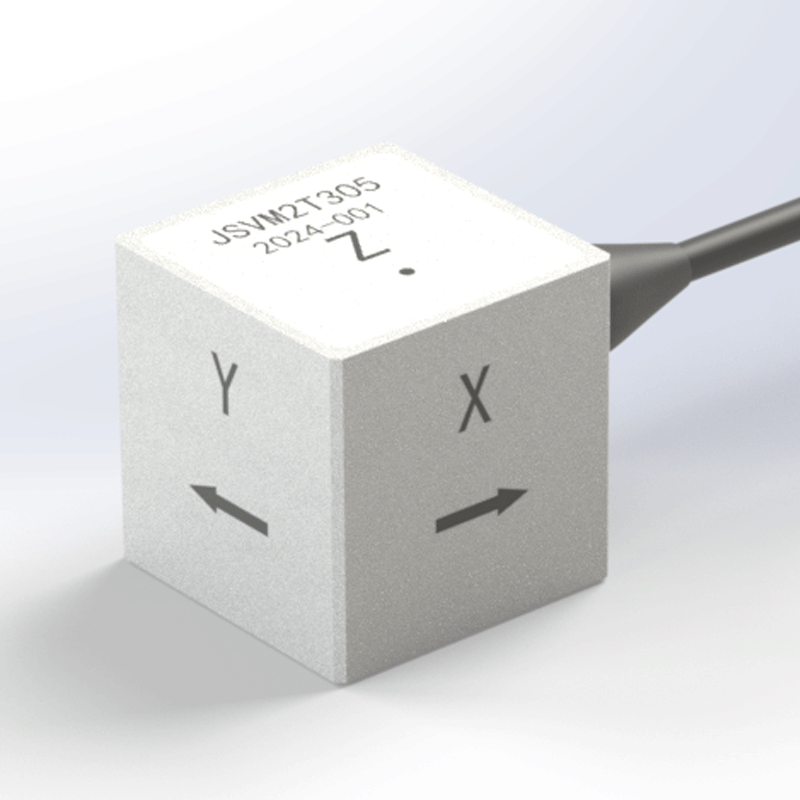
The JSVM2T1 Low Power Vibration Sensor changes the face of industrial monitoring with its exceptional power saving capabilities alongside a durable and high-performing sensor. As low as 4mA current is used by this advanced Industrial Vibration Monitoring solution which makes it the perfect Wireless Vibration Sensor for battery-powered usage or a large sensor network. A Predictive Maintenance Sensor flawlessly accurate to the laboratory grade level can be expected from a well-engineered 304 Stainless Steel Accelerometer housing that is sturdy enough to resist the harshest industrial environments.
Equipped for incessant running, this state-of-the-art Low Power Vibration Sensor is capable of providing full-spectrum vibration data spanning from true DC (0 Hz) to 10,000 Hz, thereby allowing wear diagnostics and early fault detection of the machine at the most complete level. Its durable construction is designed to survive shocks of up to 10,000g, thus giving confidence to the users of its continual reliable performance in situations, where or among others, there is a frequent mechanical impact and extreme vibrations. This smart factory-suited Industrial Vibration Monitoring tool is an excellent enabler of highly reliable Predictive Maintenance Sensor systems for critical assets.
Key Performance Features
Operates at ultra-low power: 4mA operating current Wide frequency response: 0 Hz to 10,000 Hz Multiple measurement ranges: ±50g to ±500g High shock resistance: 10,000g survival rating Lightweight: only 15g Durable 304 stainless steel construction
The wireless features of JSVM2T1 Wireless Vibration Sensor make it ideal for remote scenarios where running power cords is impractical. Besides, being a rugged 304 Stainless Steel Accelerometer, it can retain its good performance even when exposed to corrosive products, and at the same time, it can be any metal protective against EMI when properly grounded on metal surfaces. The Predictive Maintenance Sensor capability makes the realization possible of the early warning of mechanical faults, bearing wear, and structural defect that will help you save from unplanned shutdowns and reduce your maintenance costs.
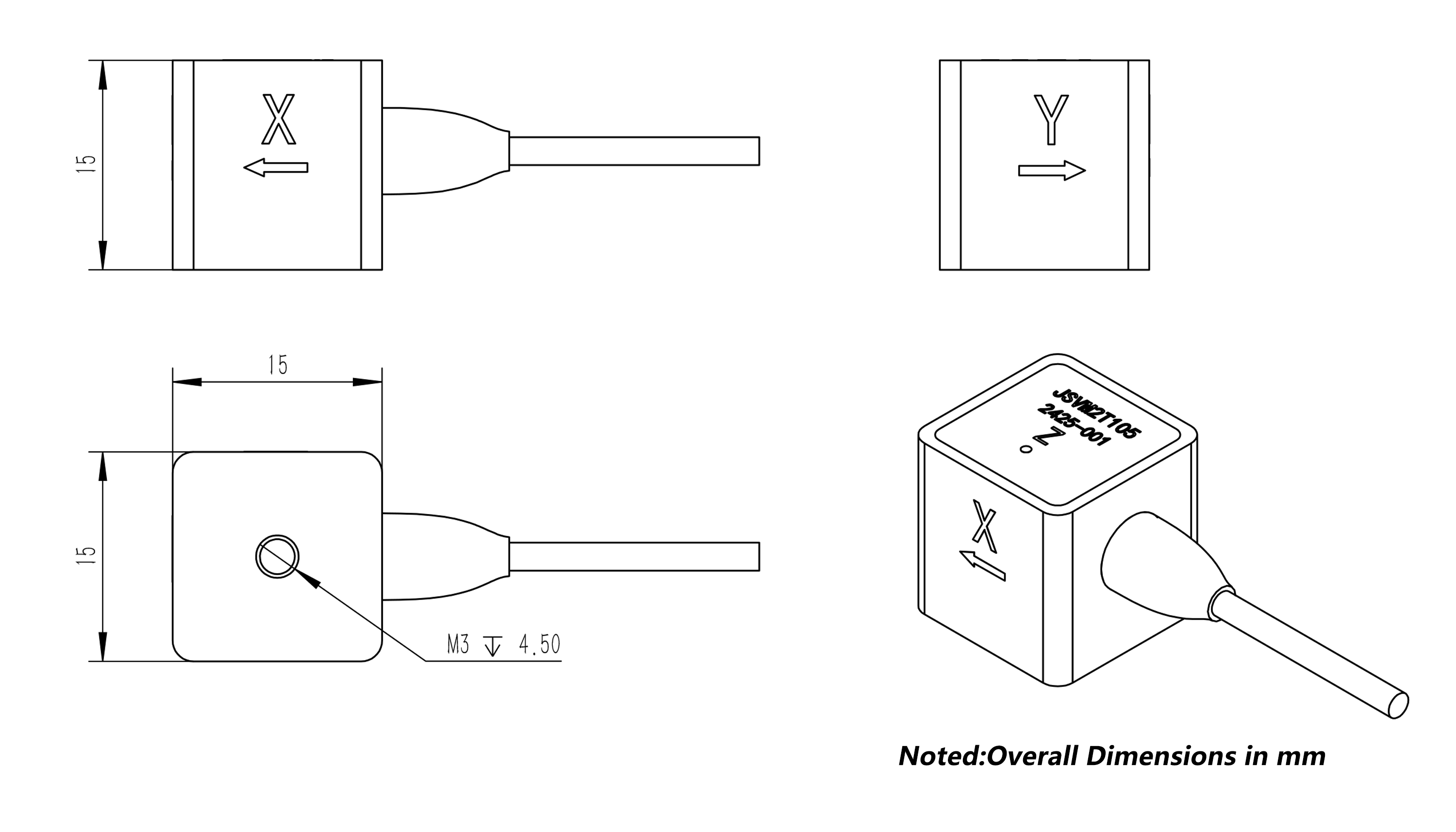
Product Dimensions
Product Electrical Interface
Wiring color
Red
Black/blue
Green
Yellow
White
Wiring Definition
Power positive
Power ground*
X-axis output
Y-axis output
Z-axis output
* Note: Reference ground for signal measurement
Performance Specifications
Unless otherwise specified, all testing was conducted under the following conditions: 12 VDC, 25°C, 50% R.H., and 1 standard atmosphere.
This efficient Low Power Vibration Sensor offers flexible range selection to match specific monitoring requirements. The ±50g model provides optimal sensitivity for general Industrial Vibration Monitoring applications, while higher ranges accommodate more demanding environments with significant impact forces. The conductive housing ensures clean signal acquisition when properly installed on grounded metal surfaces, making this Wireless Vibration Sensor suitable for electrically noisy industrial settings.
With its unique combination of power efficiency, robust construction, and comprehensive monitoring capabilities, the JSVM2T1 establishes new benchmarks for modern industrial sensing. Trust this advanced 304 Stainless Steel Accelerometer to deliver reliable, continuous monitoring while minimizing energy consumption - the smart choice for engineers implementing Industry 4.0 strategies and building next-generation Predictive Maintenance Sensor networks for smart factory applications.
FAQ
Q: What is the primary benefit of measuring from 0 Hz?
A: It makes static tilt measurement possible in addition to dynamic vibration, so that a single sensor can monitor the equipment orientation as well as the vibration condition of industrial automation. Q: What is the significance of the 10,000g shock rating?
A: It is a means to guarantee the sensor's survival even when exposed to heavy industrial conditions with extreme impacts such as the use of heavy machinery or emergency crashes, which, in turn, assures the sensor's long-lasting quality. Q: How does the 4mA power consumption low energy promise bring an advantage to my case?
A: With this energy-efficient specification, wireless monitoring systems powered by batteries are allowed for practically unlimited-time operation, plus, your single data acquisition unit is capable of handling tons of sensors at once without the risk of power overload. Q: The case is conductive. What are the steps to install it?
A: Make sure that a nicely-grounded metal surface, with which the M3 screw fastens the sensor, is what the connection is to. Thanks to this, adequate shielding from the electric noise, thus cleaner data, is achieved. Q: Which model to go for if I only want to do general machinery condition monitoring? A: For the majority of the industrial machines, the ±50g model is able to provide the optimal trade-off between detection capability and the range of sensors that are necessary for fault identification in the case of unbalance and bearing wear. Only go for higher ranges when you are sure that the force impacts will be high.
TFC was founded in 2015, with its headquarters located in Changsha, Hunan. It has a standardized workshop of over 6,000 square meters and takes "Making every connection more reliable, making every piece of data more accurate" as its guiding principle, dedicated to providing customers with high-performance component products and solutions. The company has three business divisions: Instrumentation, Connectors, and Sensors. It is a national high-tech enterprise integrating R&D, production, testing, and sales, covering technologies such as signal connection technology, signal conditioning technology, signal switching technology, and signal detection technology.
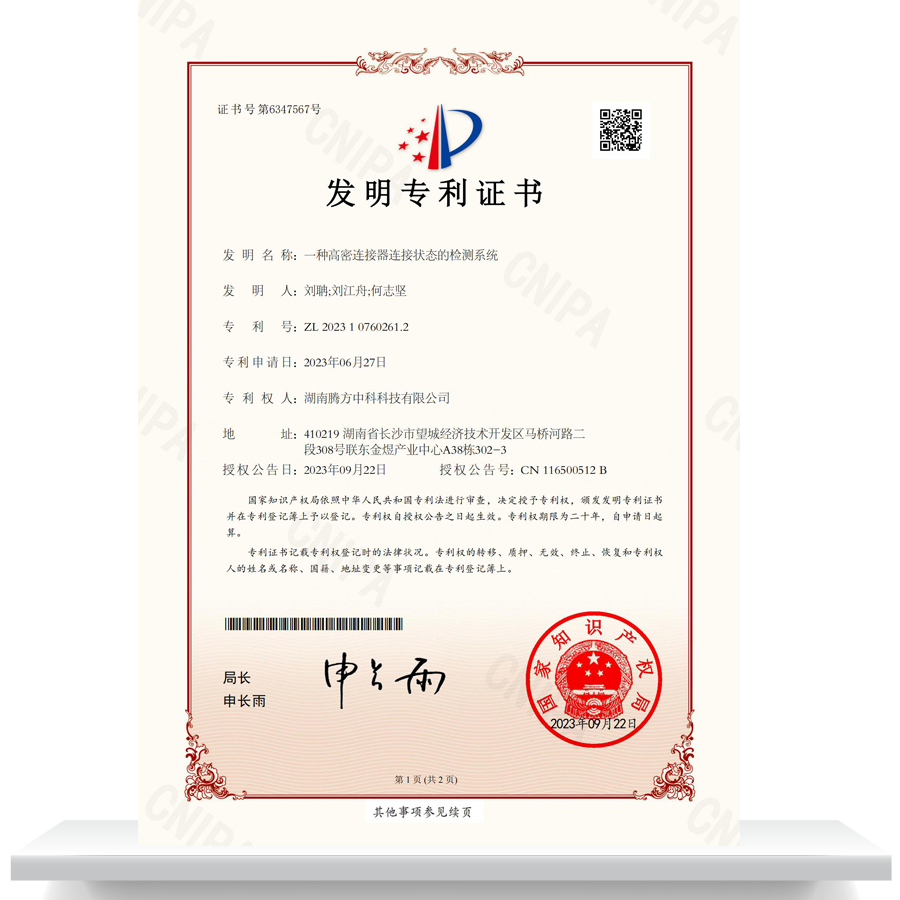
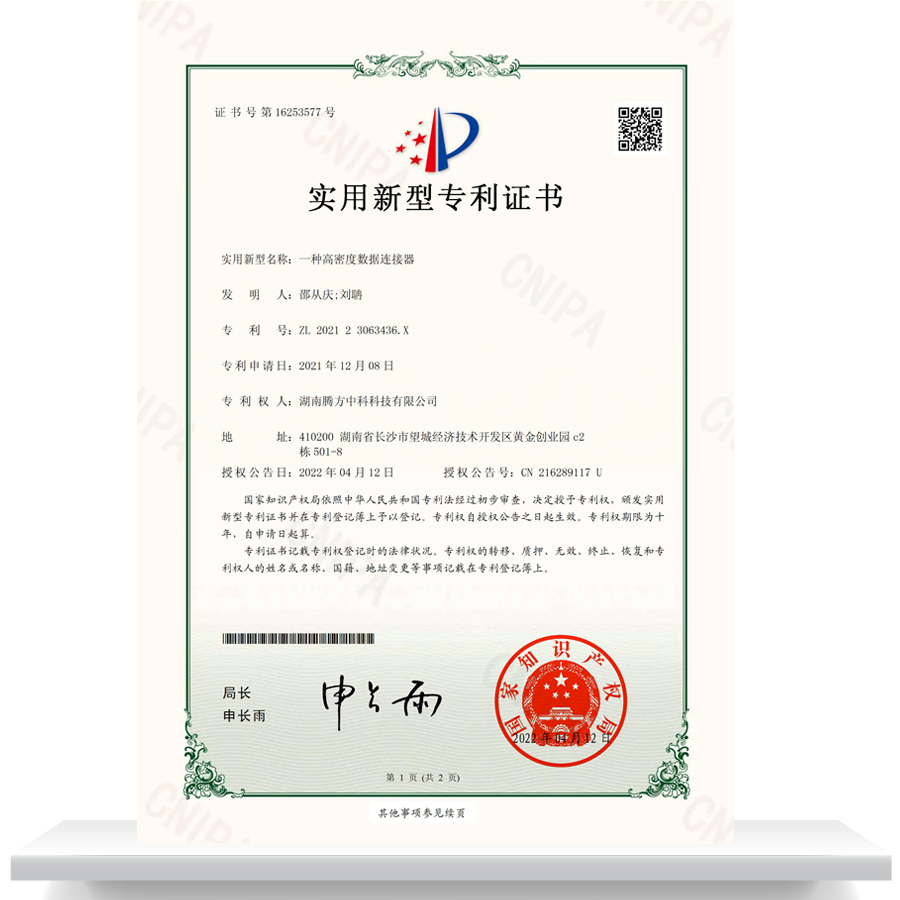
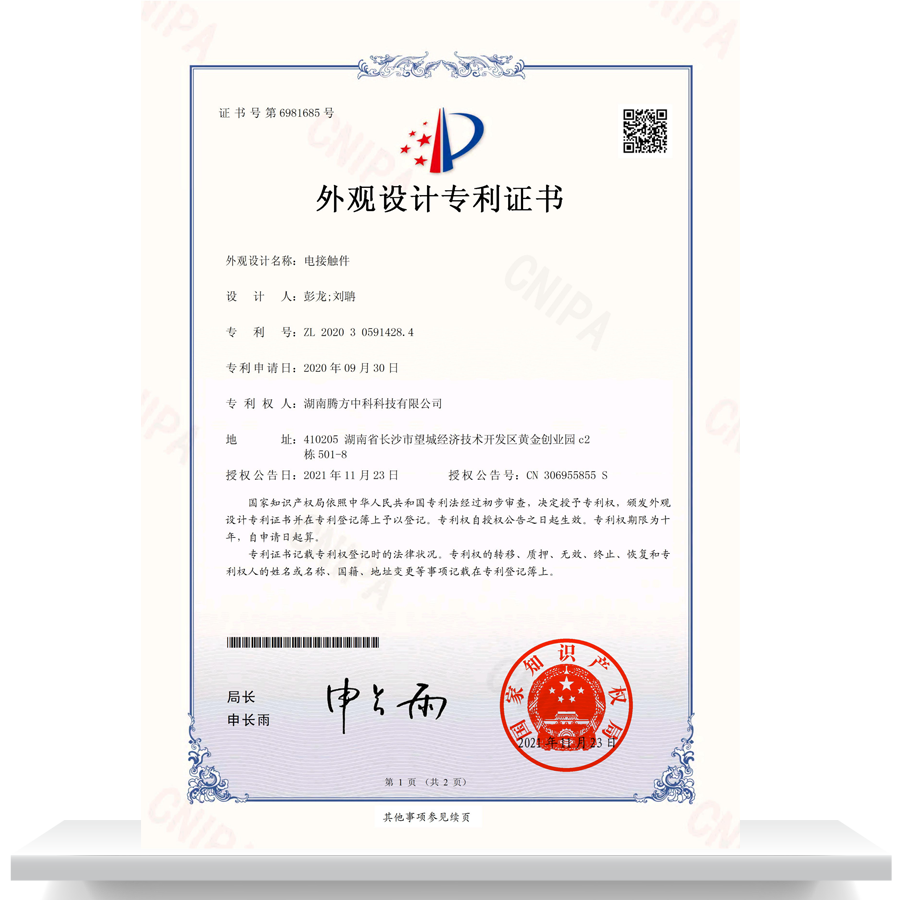
TFC has obtained National Standard (GB) Quality Management System Certification and Weapon Equipment (GJB) Quality System Certification. It has also established an independent and complete internal quality testing system. All products undergo strict full-process testing in accordance with national standards (GB) and weapon equipment standards (GJB) to ensure compliance and stability of performance.