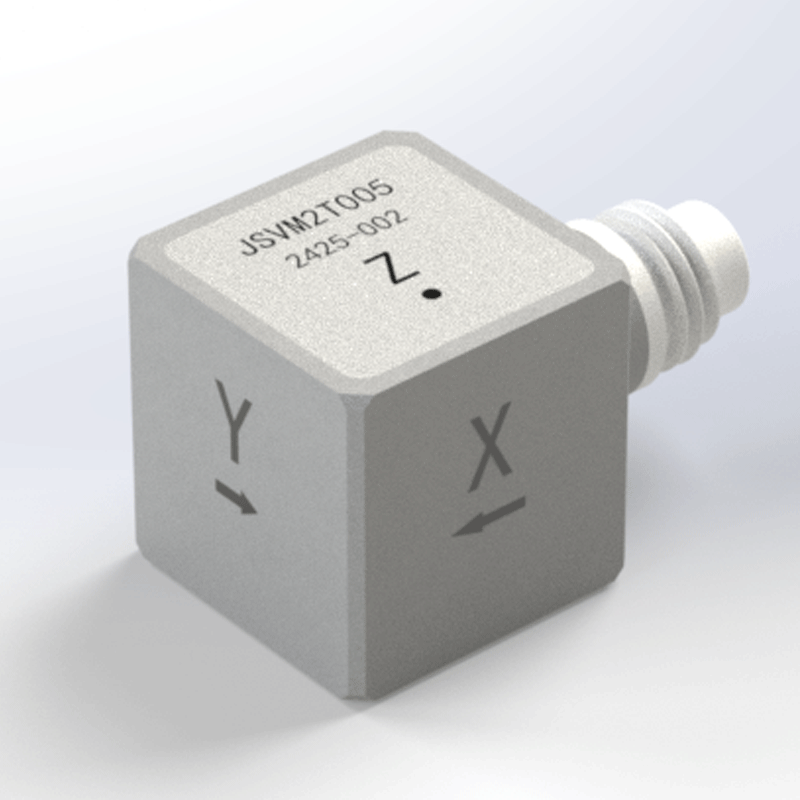
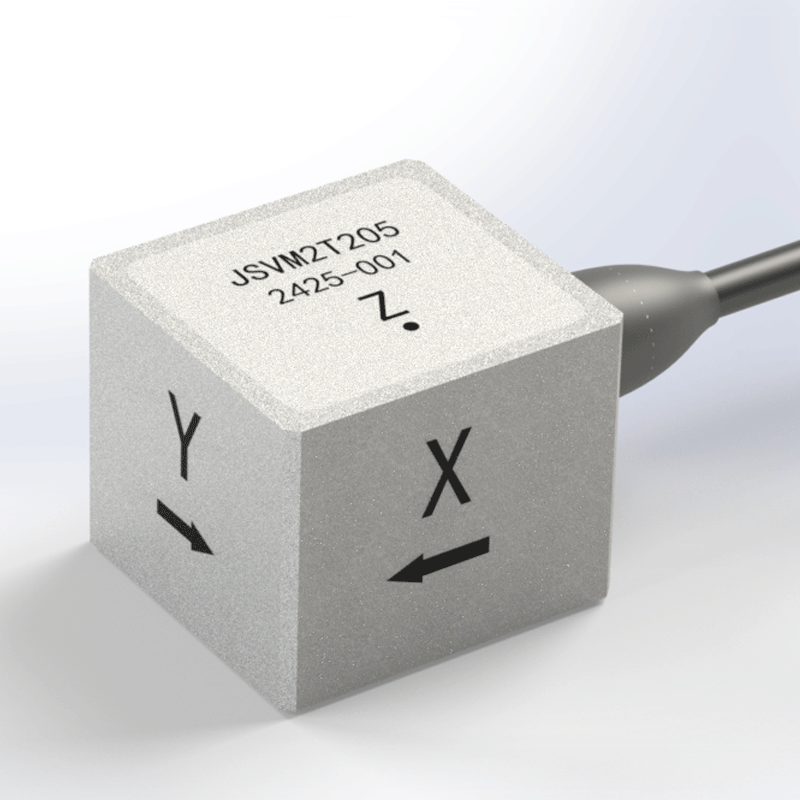
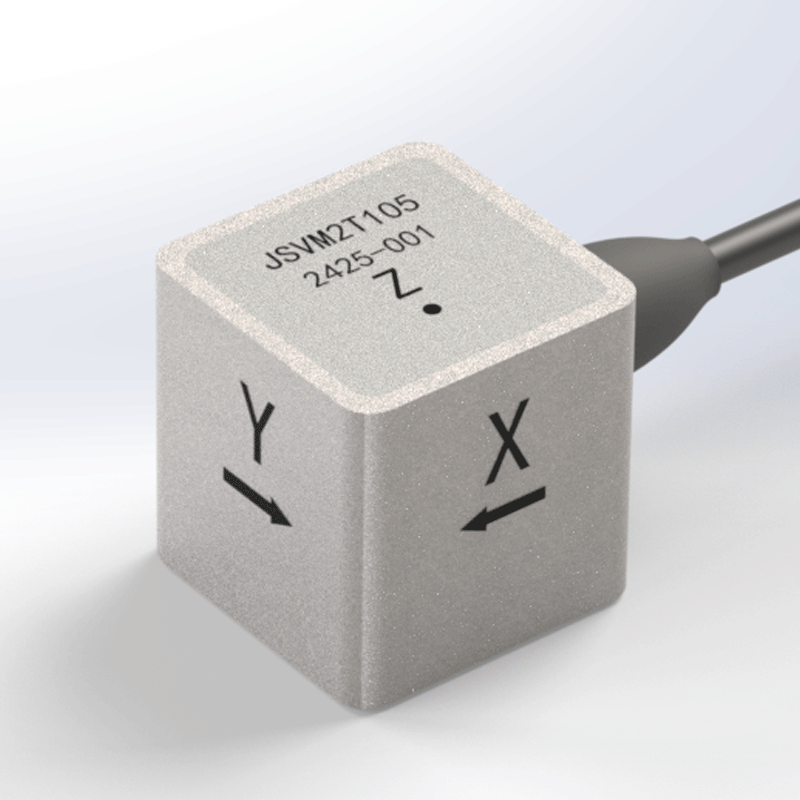
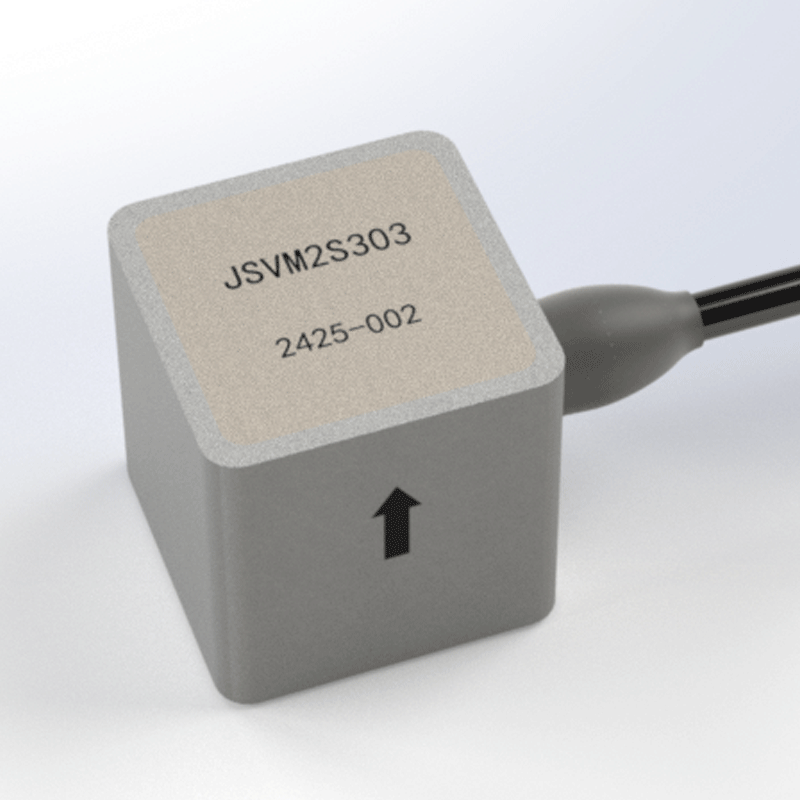
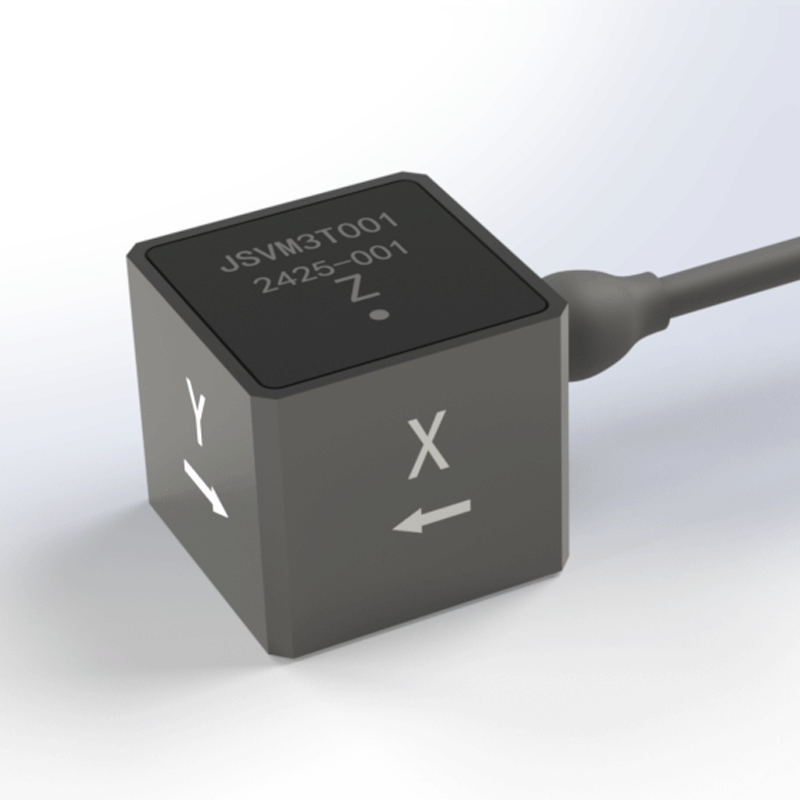
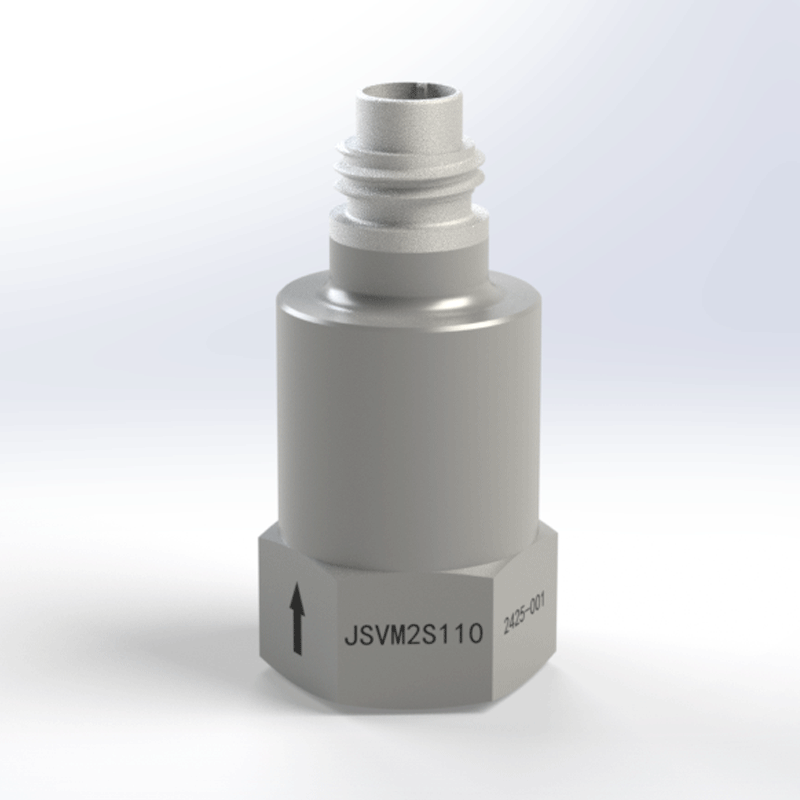
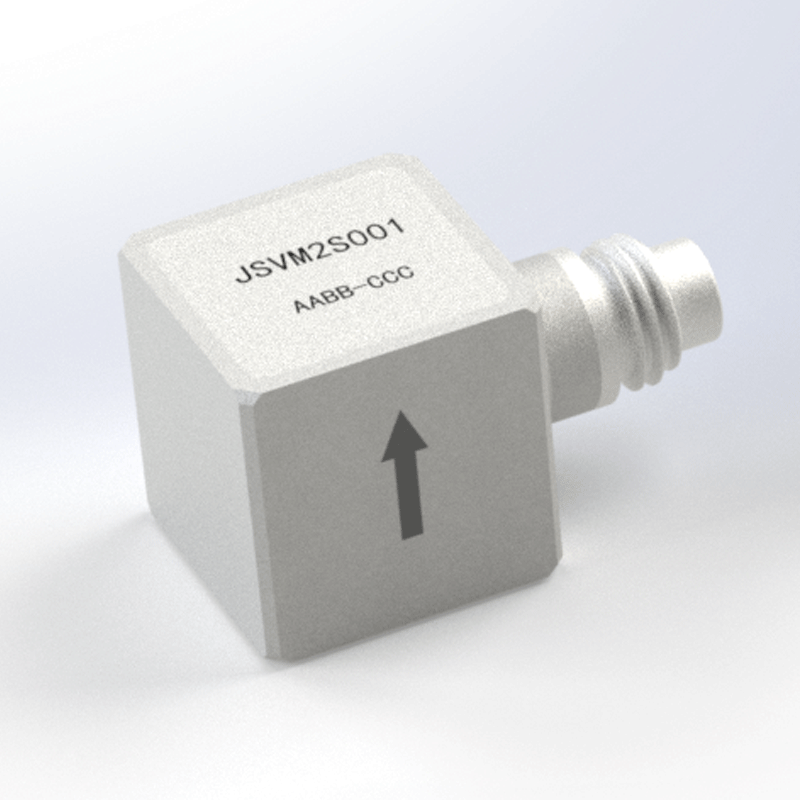
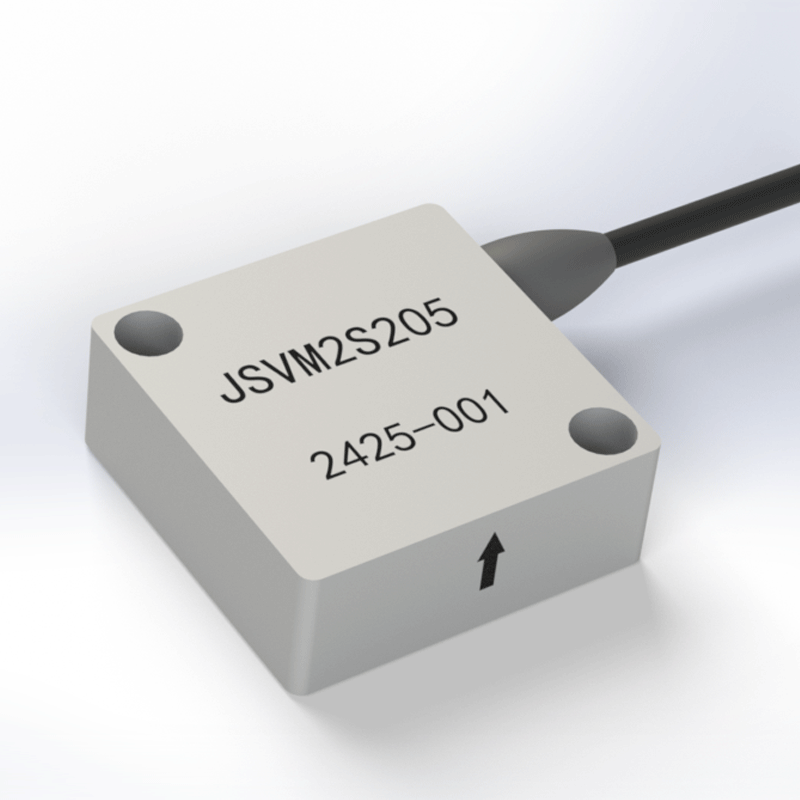
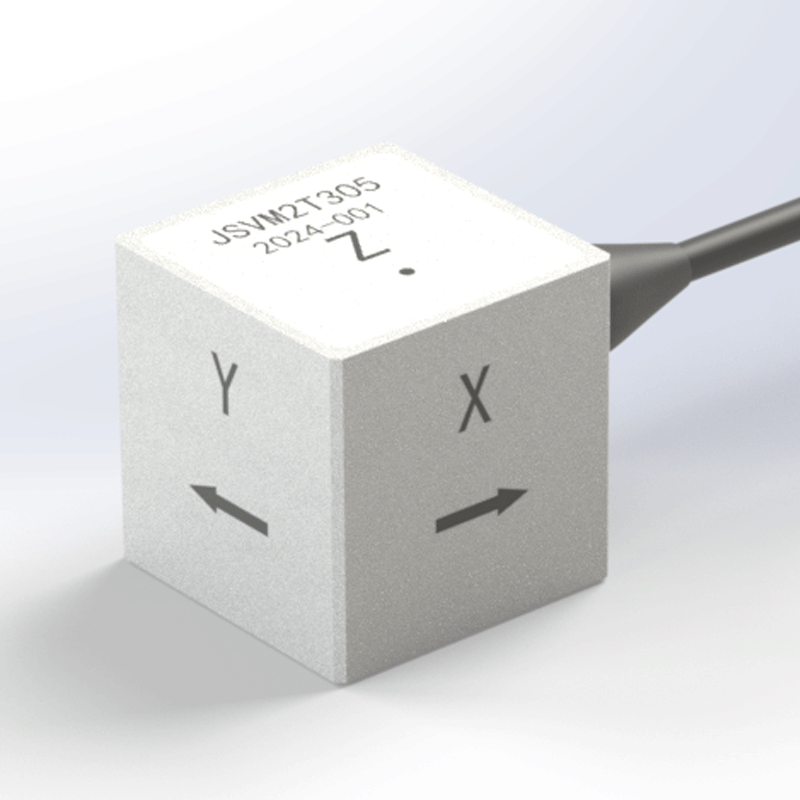
The JSVM2T2 Lightweight Vibration Sensor is a new level of accuracy in measurement technology. It combines the best of performance with the least mass impact. This highly advanced MEMS triaxial accelerometer weighs only 12 grams but can deliver the same precision as a laboratory-grade instrument, with packaging that's rugged and compact. It can be used in Aerospace Vibration Sensor as well as Automotive Vibration Testing scenarios, where the weight of the equipment is very important. This comprehensive device, engineered from 304 stainless steel, is capable of recording vibration data over the entire frequency range starting from a true DC (0 Hz) level to 10,000 Hz, thus offering an extensive frequency analysis feature for very challenging engineering applications. Considered as premium, this rugged Light Weight Vibration Sensor corresponds to the requirements of a small device with a high level of shock survival of 10,000g and a wide range of measurements that can be selected from ±50g to ±500g. This ultra-light sensor weighs so little that it can be installed on very fragile structures, composite materials, and tiny prototypes without affecting the natural vibration of the organisms, as it happens when traditional sensors are used. As a multifunctional Aerospace Vibration Sensor, this device also provides a capability to measure the static tilt and the dynamic vibration at the same time, thus offering full-motion analysis in a single instrument.
Key Performance Advantages
Ultra-low weight: only 12 grams Wide frequency response: 0 Hz to 10,000 Hz Three adjustable measurement ranges Extreme shock resistance: 10,000g survival rating Low power consumption: Typical 4mA Highly durable 304 stainless steel
JSVM2T2 is the perfect solution for Automotive Vibration Testing purposes, such as electronic control unit (ECU) validation, component testing, and the analysis of vehicle dynamics. This sophisticated 10kHz Vibration Sensor can detect not only low-frequency structural resonances but also very high-frequency vibration components, thus enabling complete mechanical signature analysis suitable for quality assurance and research applications in general. The MEMS Triaxial Accelerometer technology guarantees accurate measurements of all three axes simultaneously with very minimal cross-talk and excellent linearity (<0.5% FS).
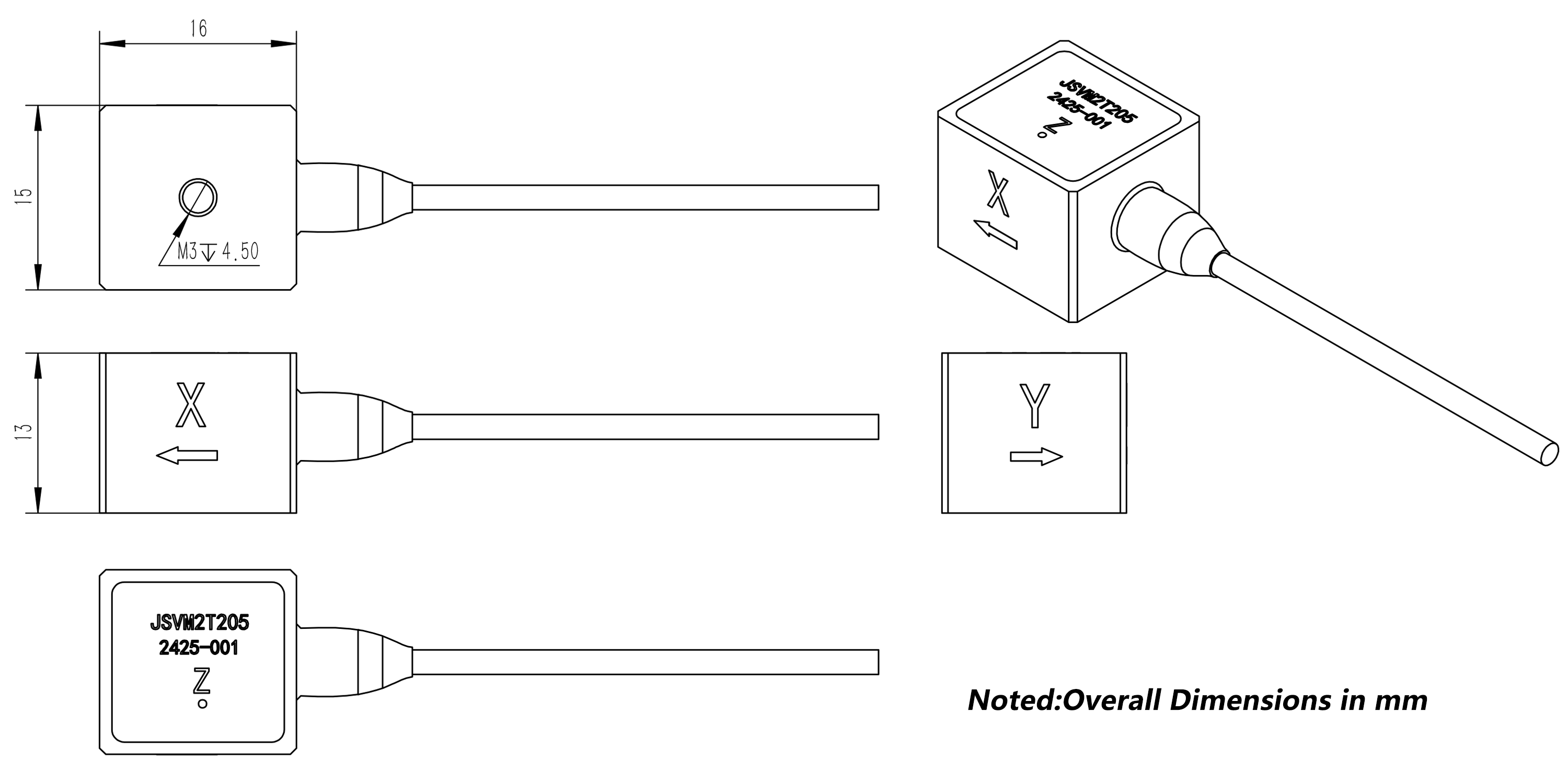
Product Dimensions
Product Electrical Interface
Wiring color
Red
Black/blue
Green
Yellow
White
Wiring Definition
Power positive
Power ground*
X-axis output
Y-axis output
Z-axis output
* Note: Reference ground for signal measurement
Performance Specifications
The JSVM2T2sensor is a triaxial vibration sensor. Its key performance specifications are listed as below.
Unless otherwise specified, all testing was conducted under the following conditions: 12 VDC, 25°C, 50% R.H., and 1 standard atmosphere.
This advanced Lightweight Vibration Sensor offers optimal range selection for specific testing requirements. The ±50g model provides excellent resolution for general Automotive Vibration Testing and electronic component analysis, while the ±500g version handles extreme shock events in crash testing and powertrain applications. The conductive housing ensures effective EMI shielding when properly mounted to grounded metal surfaces, maintaining signal integrity in electrically noisy environments.
With its unique combination of minimal weight, wide frequency response, and robust construction, the JSVM2T2 establishes new standards for portable vibration measurement. Trust this innovative MEMS Triaxial Accelerometer to deliver accurate, reliable data without compromising structural integrity - the perfect solution for engineers and researchers working with weight-sensitive applications across aerospace, automotive, and advanced materials development.
FAQ
1. Q: Why is the 0 Hz (DC) response so important in automotive and aerospace testing?
A: It makes possible not only static tilt and inclination measurement but also dynamic vibration. Hence, from one sensor, you get the aircraft's attitude on the ground or the vehicle's tilt angle, and high-frequency vibrations at the same time. 2. Q: What is the advantage of using a 12g, lightweight design for my application?
A: By being very light, the sensor doesn't contribute to the mass loading effects. Thus, it doesn't change the natural vibration characteristics of lightweight structures such as composite panels, electronic boards, or small prototypes. 3. Q: Which variant is more appropriate for typical automotive electronics testing among models with ranges from ±50g to ±500g?
A: For vibration testing of most electronic control units (ECUs) and general components, the ±50g model offers the highest resolution. Only a few situations like crash testing or engine-mounted applications with extreme shocks, warrant the use of a higher range (e.g., ±500g). 4. Q: Besides shock survival of 10,000g, what is the main benefit?
A: It makes sure that the sensor can withstand an accidental overload, which is at least five times greater than its measurement range. Thus, the instrument can deliver reliable data and remain functional even under unexpected high-G events during testing or operation. 5. Q: The case is conductive. How do we properly put it to use?
A: Using the specified screw, fasten the sensor onto a clean, bare, grounded metal surface. This will help in establishing a good EMI shield and is thus a way of disposing of the risk of electrical noise interfering with the low-level vibration signals.
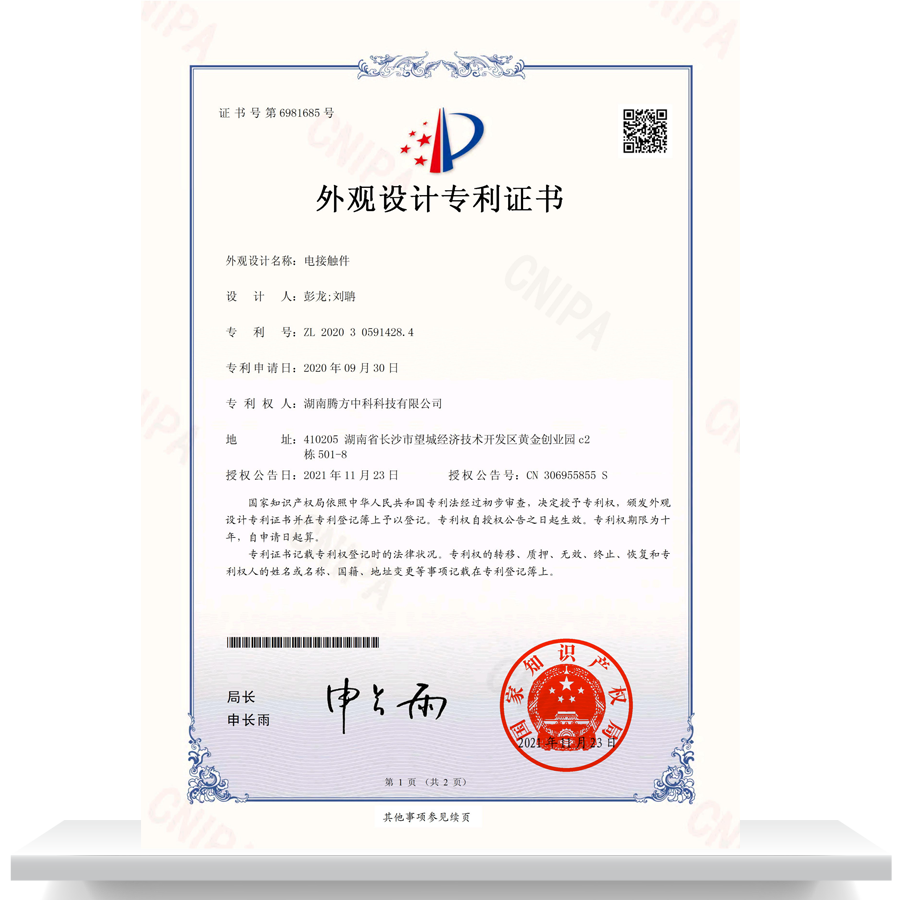
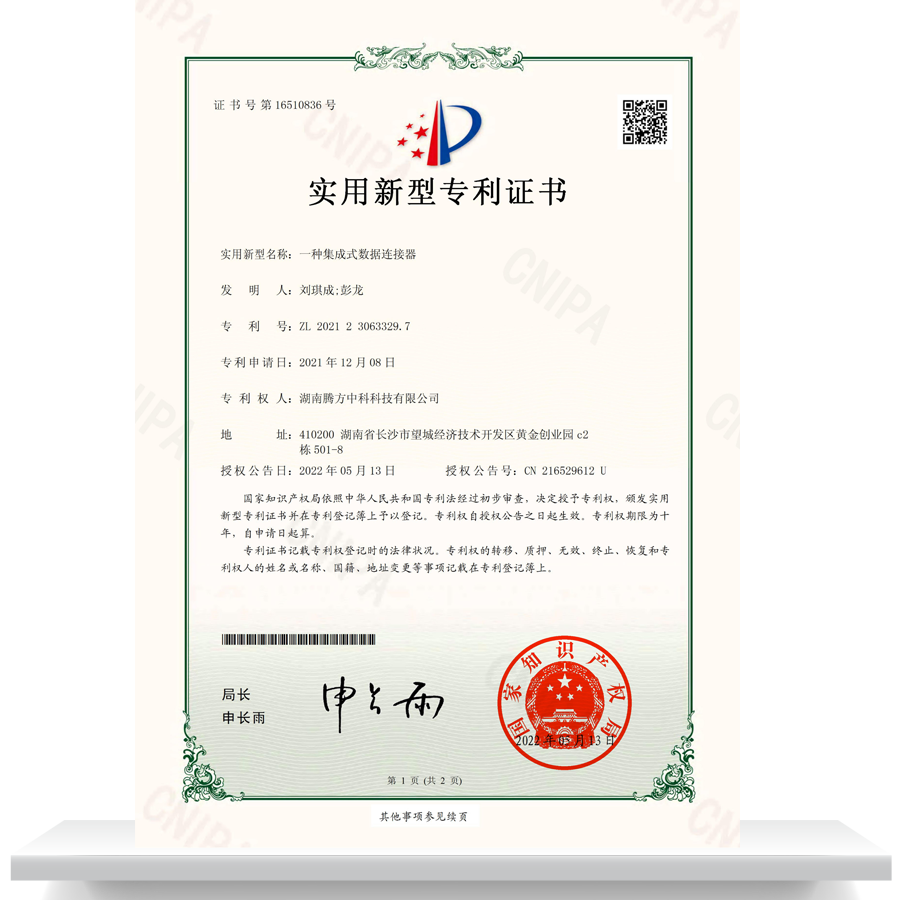
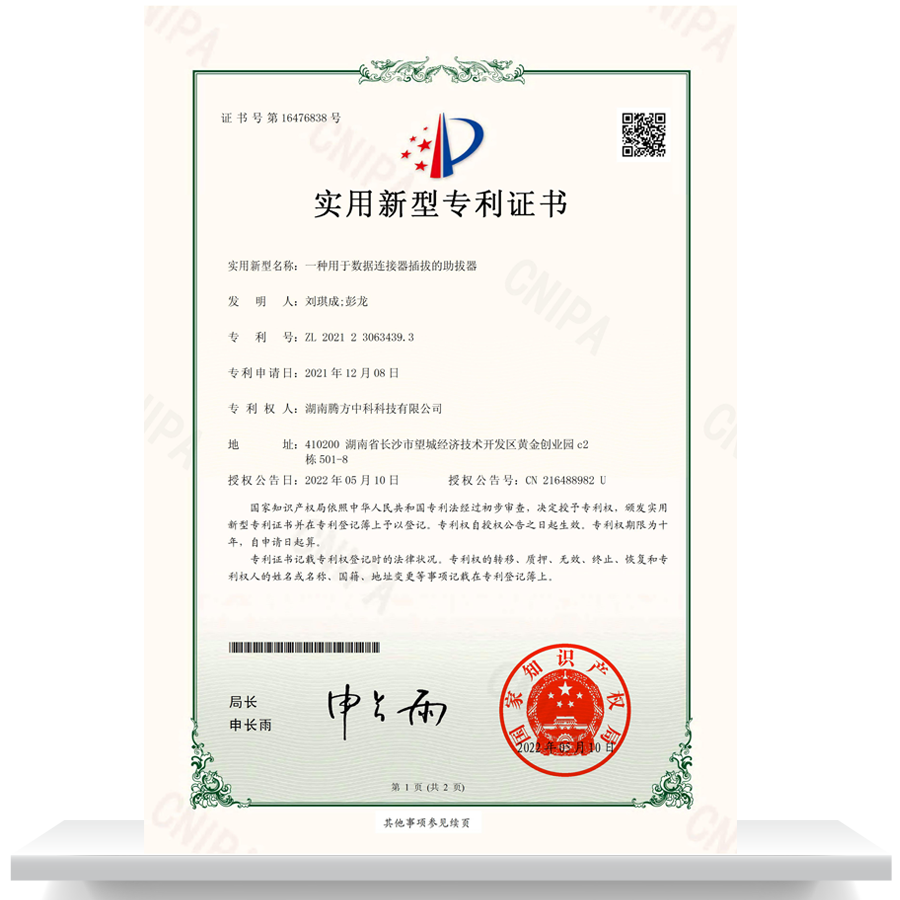
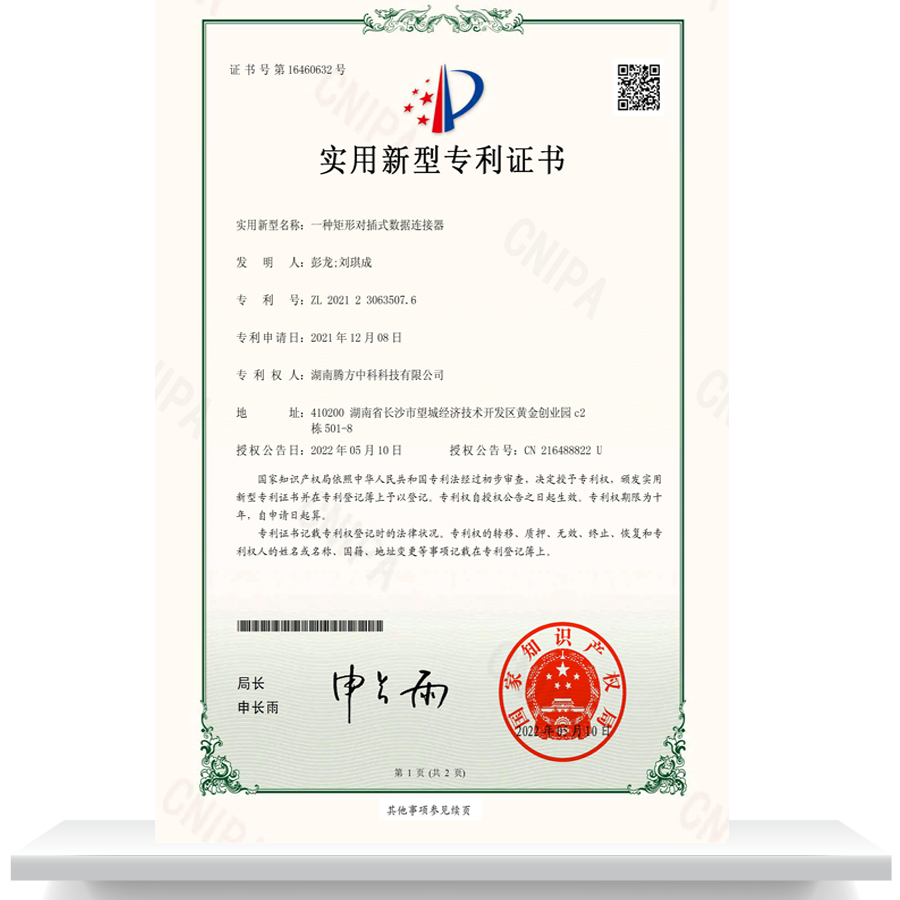
TFC was founded in 2015, with its headquarters located in Changsha, Hunan. It has a standardized workshop of over 6,000 square meters and takes "Making every connection more reliable, making every piece of data more accurate" as its guiding principle, dedicated to providing customers with high-performance component products and solutions. The company has three business divisions: Instrumentation, Connectors, and Sensors. It is a national high-tech enterprise integrating R&D, production, testing, and sales, covering technologies such as signal connection technology, signal conditioning technology, signal switching technology, and signal detection technology.
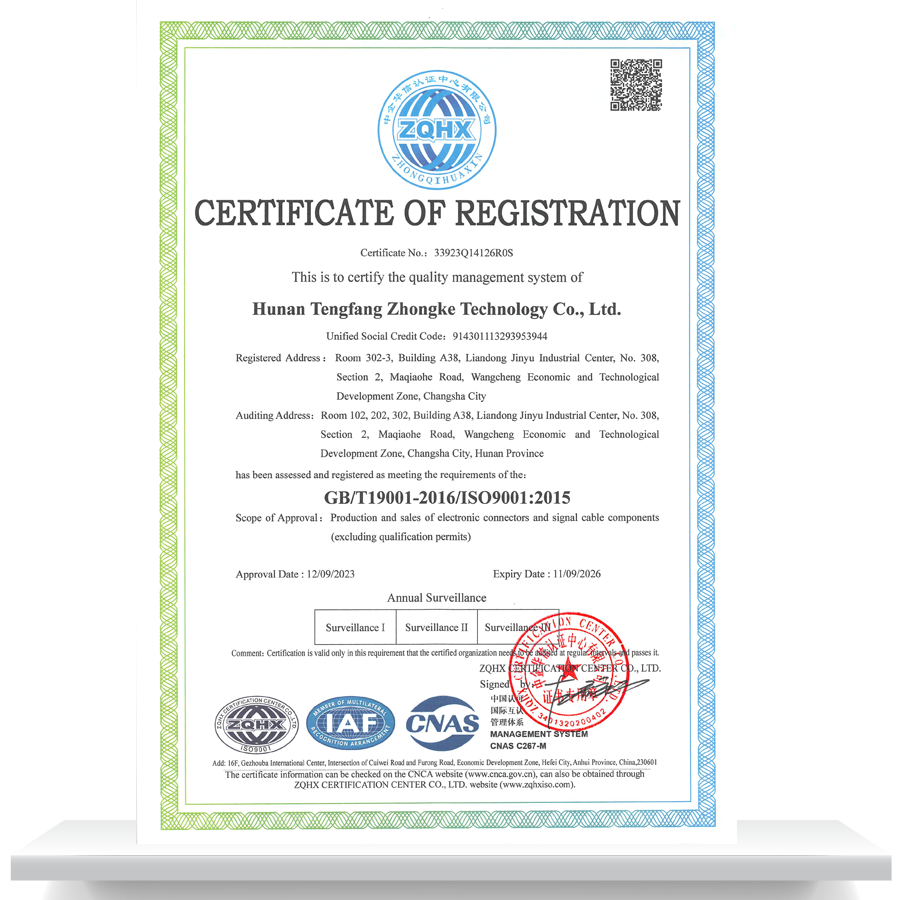
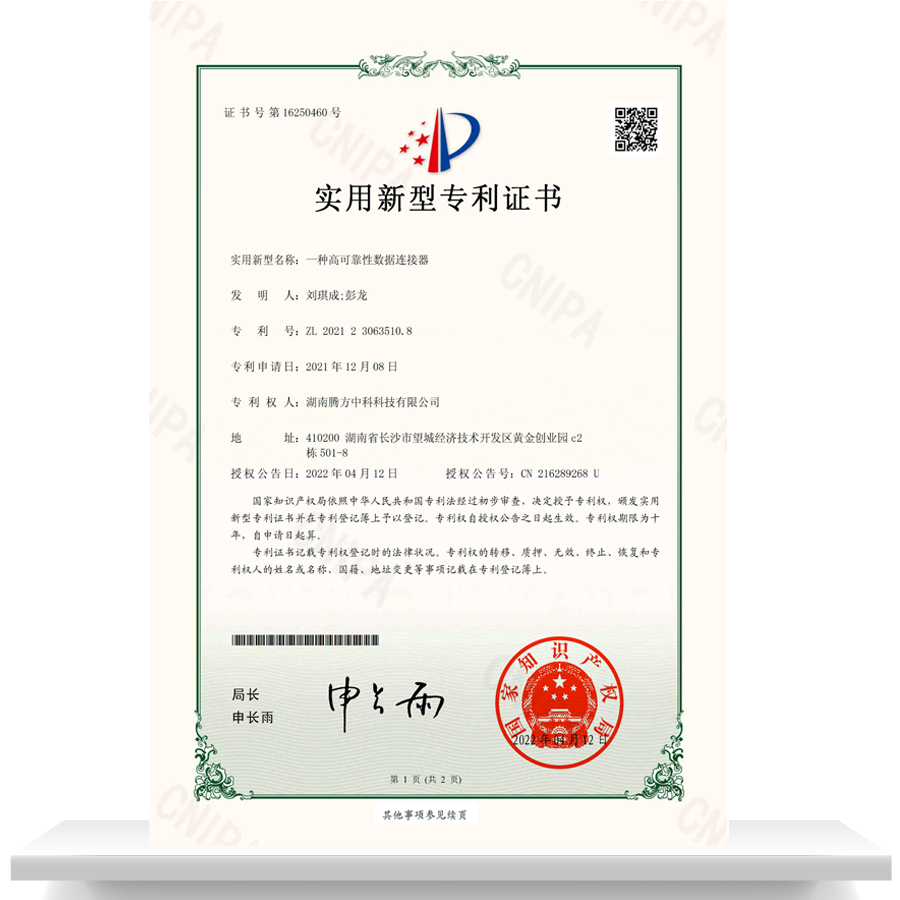
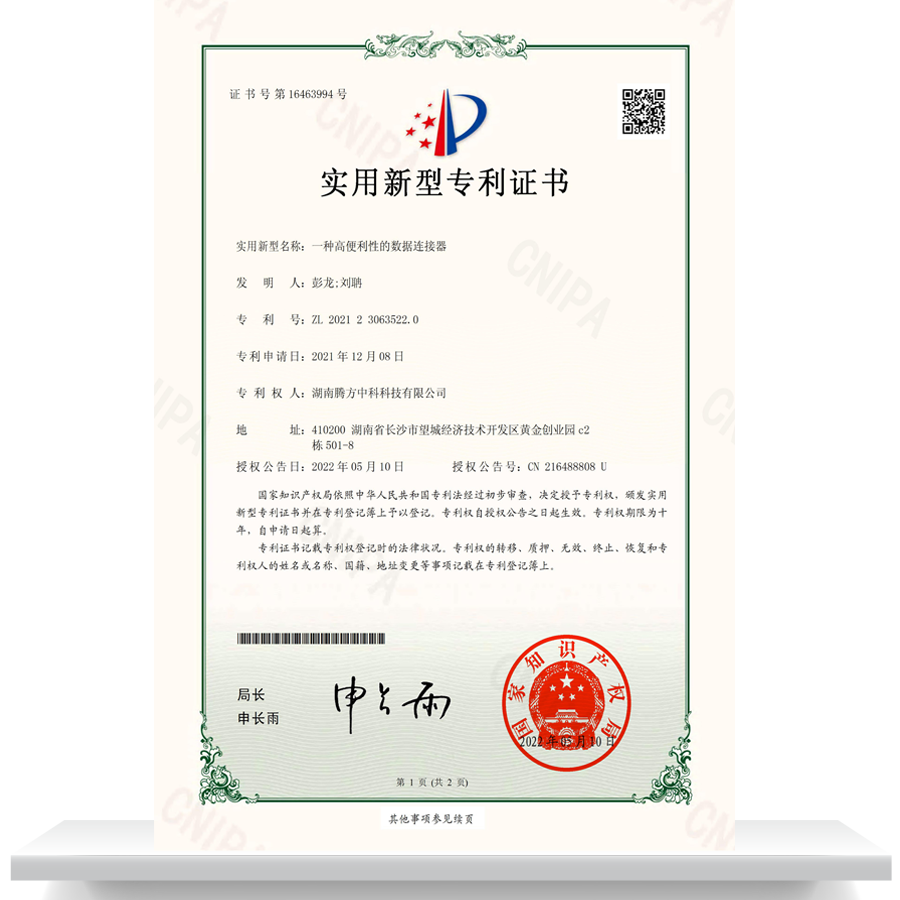
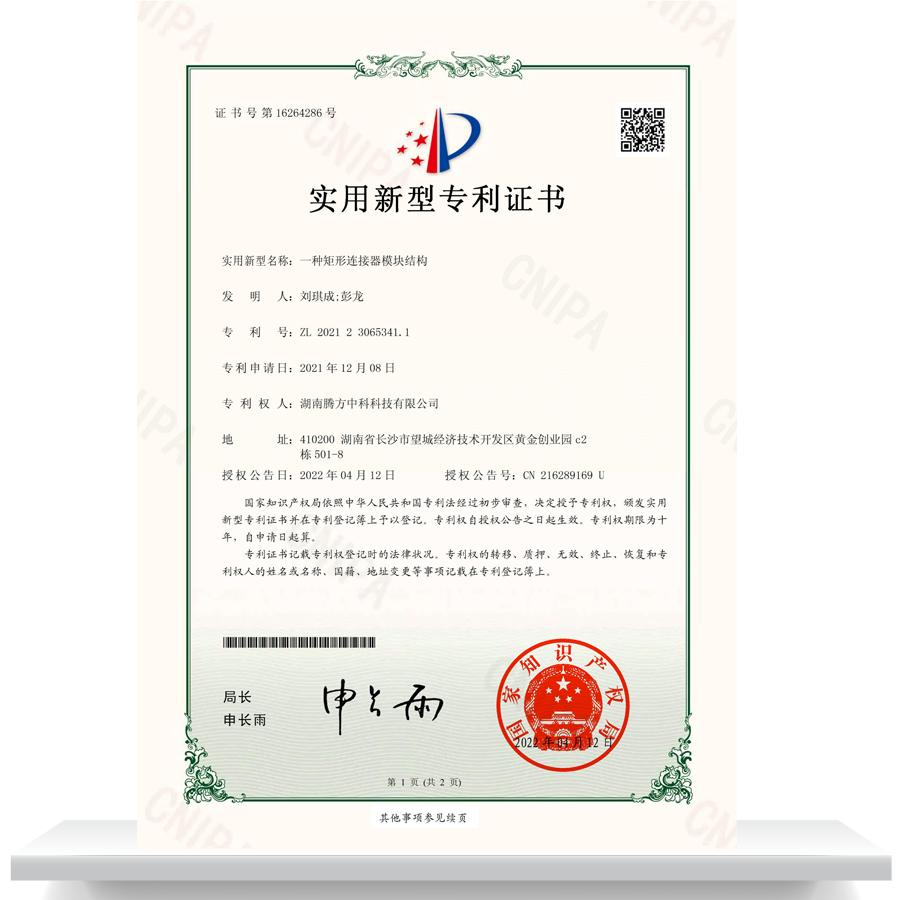
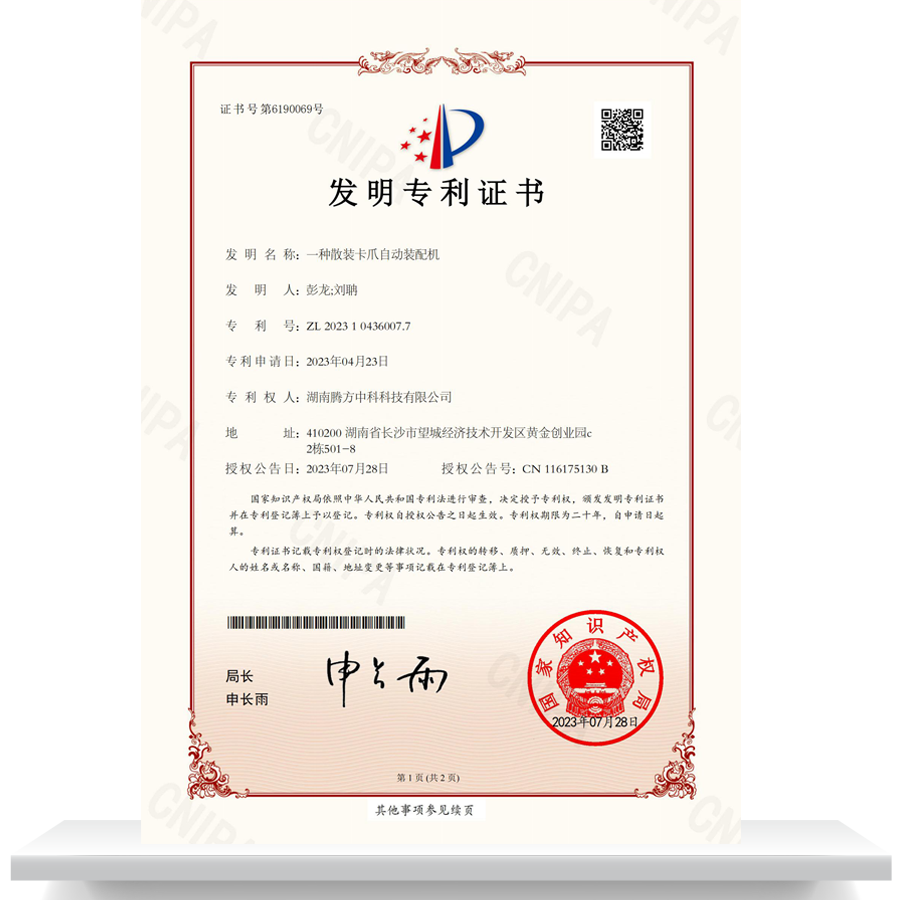
TFC has obtained National Standard (GB) Quality Management System Certification and Weapon Equipment (GJB) Quality System Certification. It has also established an independent and complete internal quality testing system. All products undergo strict full-process testing in accordance with national standards (GB) and weapon equipment standards (GJB) to ensure compliance and stability of performance.