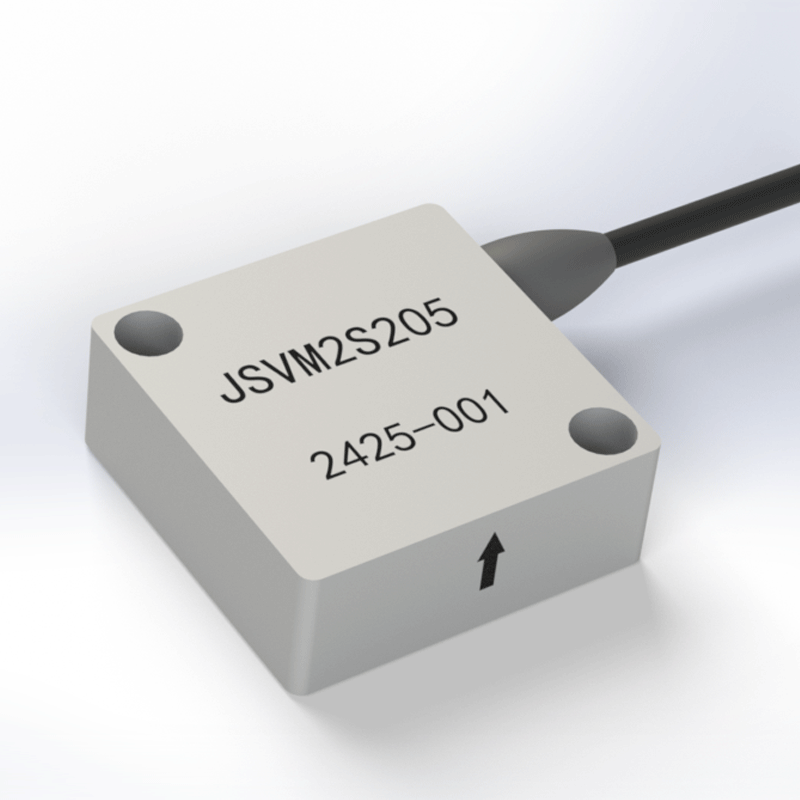
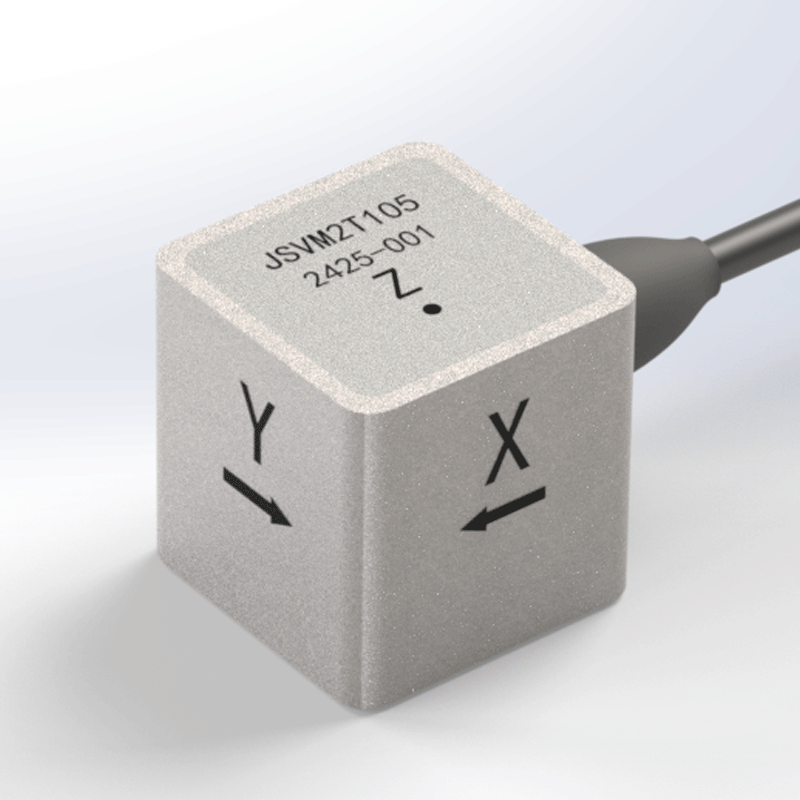
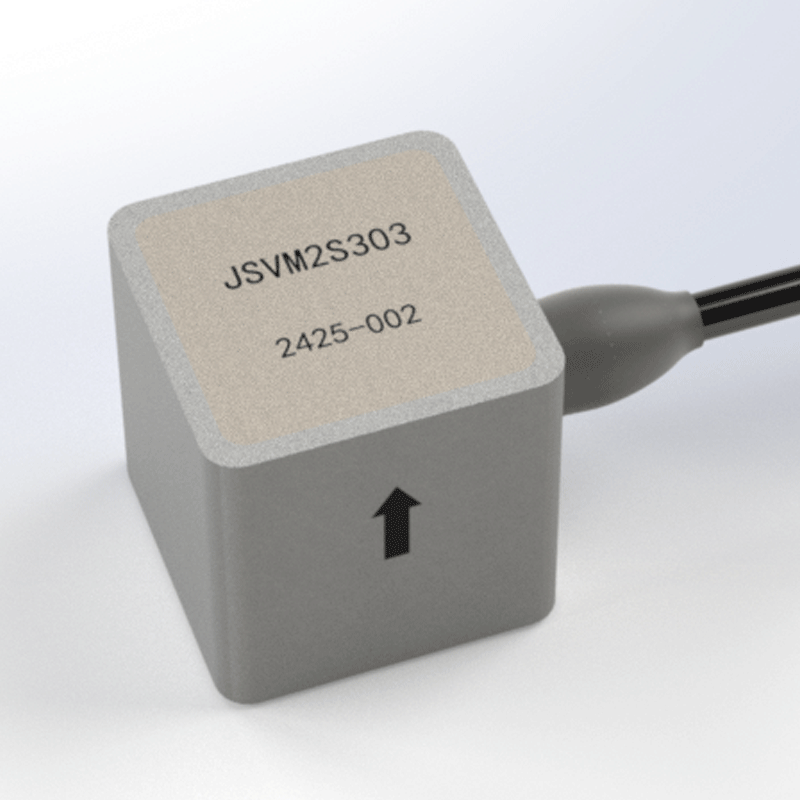
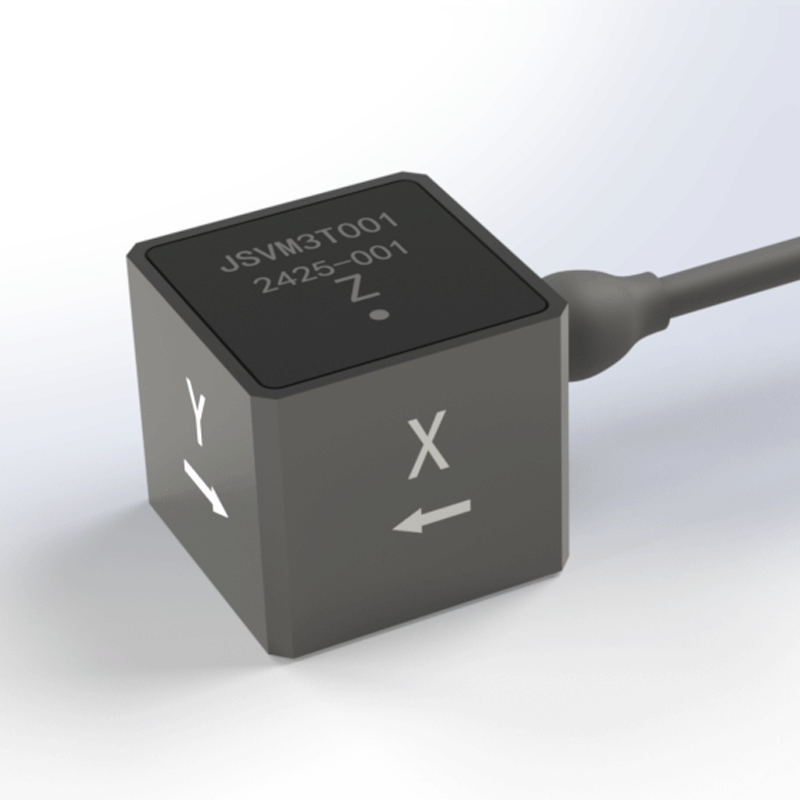
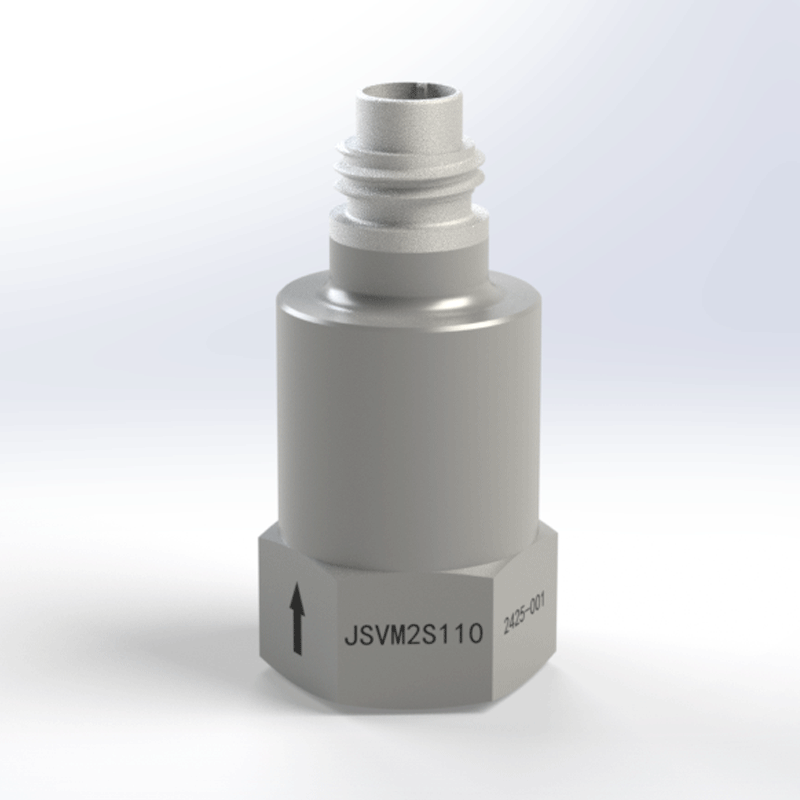
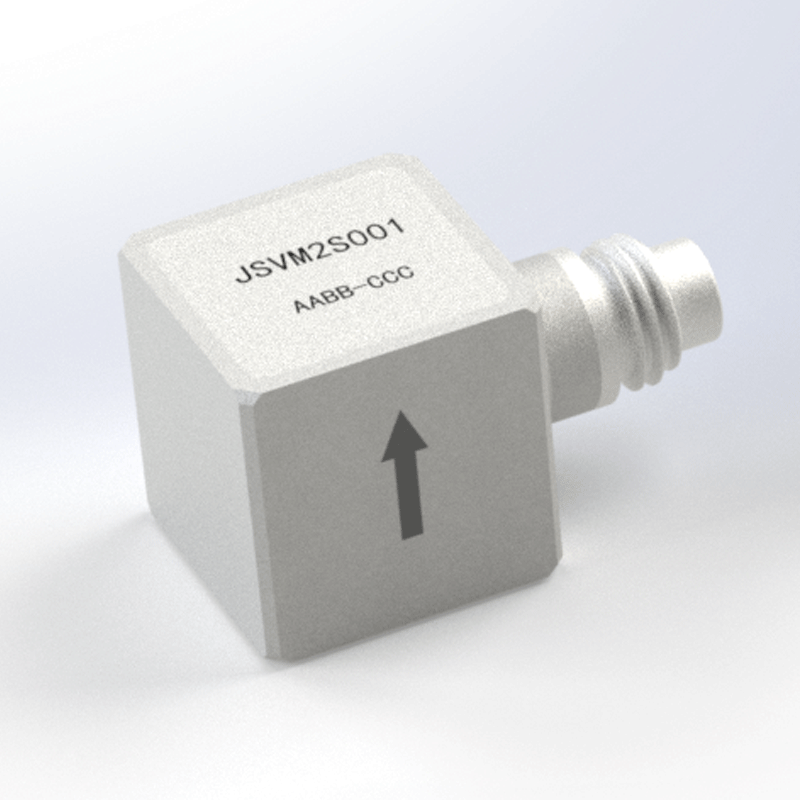
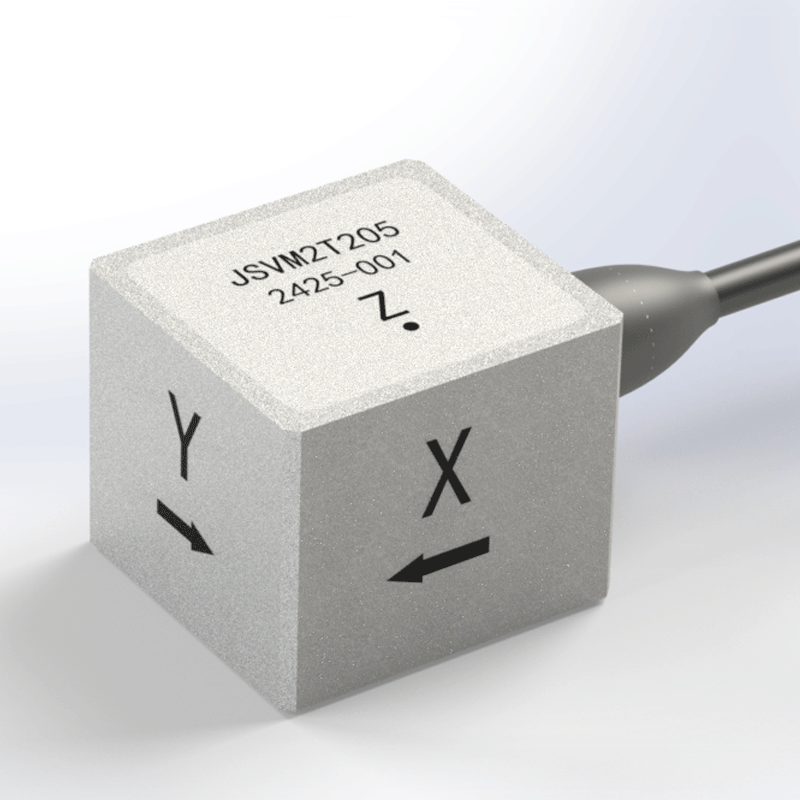
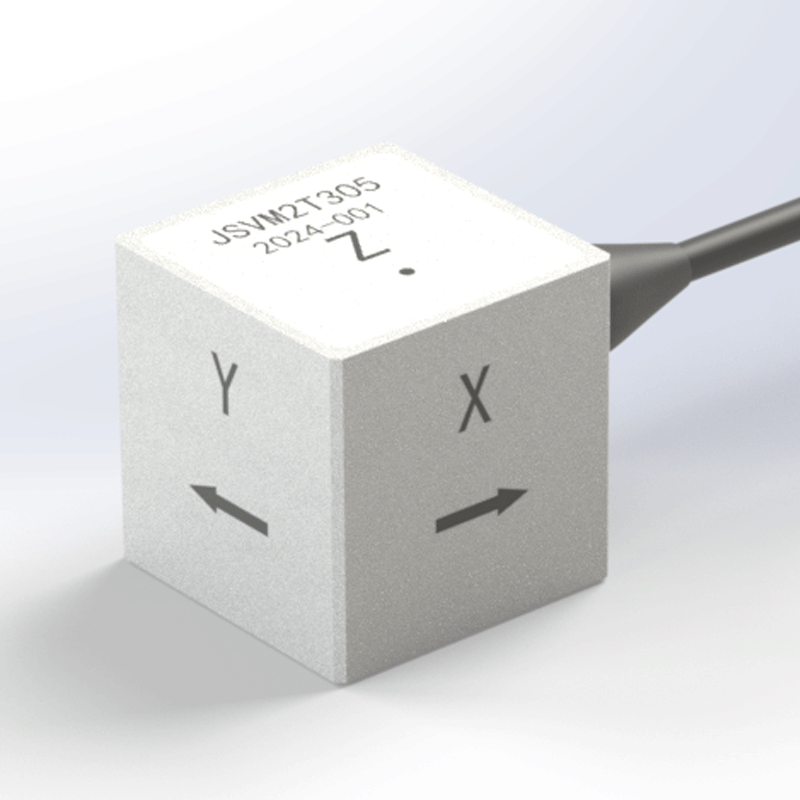
The JSVM2S2 is a service structure monitoring device that represents the leading edge in infrastructure and aerospace-related vibration measurement accuracy. High frequency vibration sensor is capable of recording acceleration over an extremely wide frequency range, actually from very low (0 Hz) to 10,000 Hz, thus it can fully reveal structural and mechanical health. The stainless steel 304 monolithic housing is fitted to the accelerometer prototype of the noise performance, which can be as low as 30 μg/√Hz, which means the signal is very clear and the instrument is able to find the first signs of structural cracking and/or material failures.
As a testing instrument for aerospace vibration, an advanced laboratory-grade, accurate instrument, yet strong enough to survive the environment, is exactly what is needed for a stage of the process of this high-value project. The 10,000g shock survival rating ensures reliable operation in extreme environments, from aerospace component testing to civil infrastructure monitoring. The ultra-wide bandwidth of this 304 Stainless Steel Vibration Sensor makes it uniquely capable of capturing both low-frequency structural dynamics and high-frequency acoustic emissions, providing a complete picture of structural health in a single, compact device.
Critical Performance Specifications
Ultra-wide frequency response: 0 Hz to 10,000 Hz Exceptional noise performance: 30 μg/√Hz Multiple measurement ranges: ±20g to ±500g Extreme shock resistance: 10,000g survival rating Precision linearity: <0.5% FS Wide operating temperature: -40°C to +85°C
With the current JSVM2S2 Structural Health Monitoring Sensor feature set, bridge monitoring, building safety assessment, and validation of aerospace structures become a must-have. Detection of micro-crack growth, delamination of the composite, and the material fatigue processes long before the damage becomes visible are thus the sophisticated High Frequency Vibration Sensor handling. Component qualification, low-frequency modal analysis to high-frequency shock and vibration testing, thus the function Aerospace Vibration Testing ensures compliance with aviation standards.
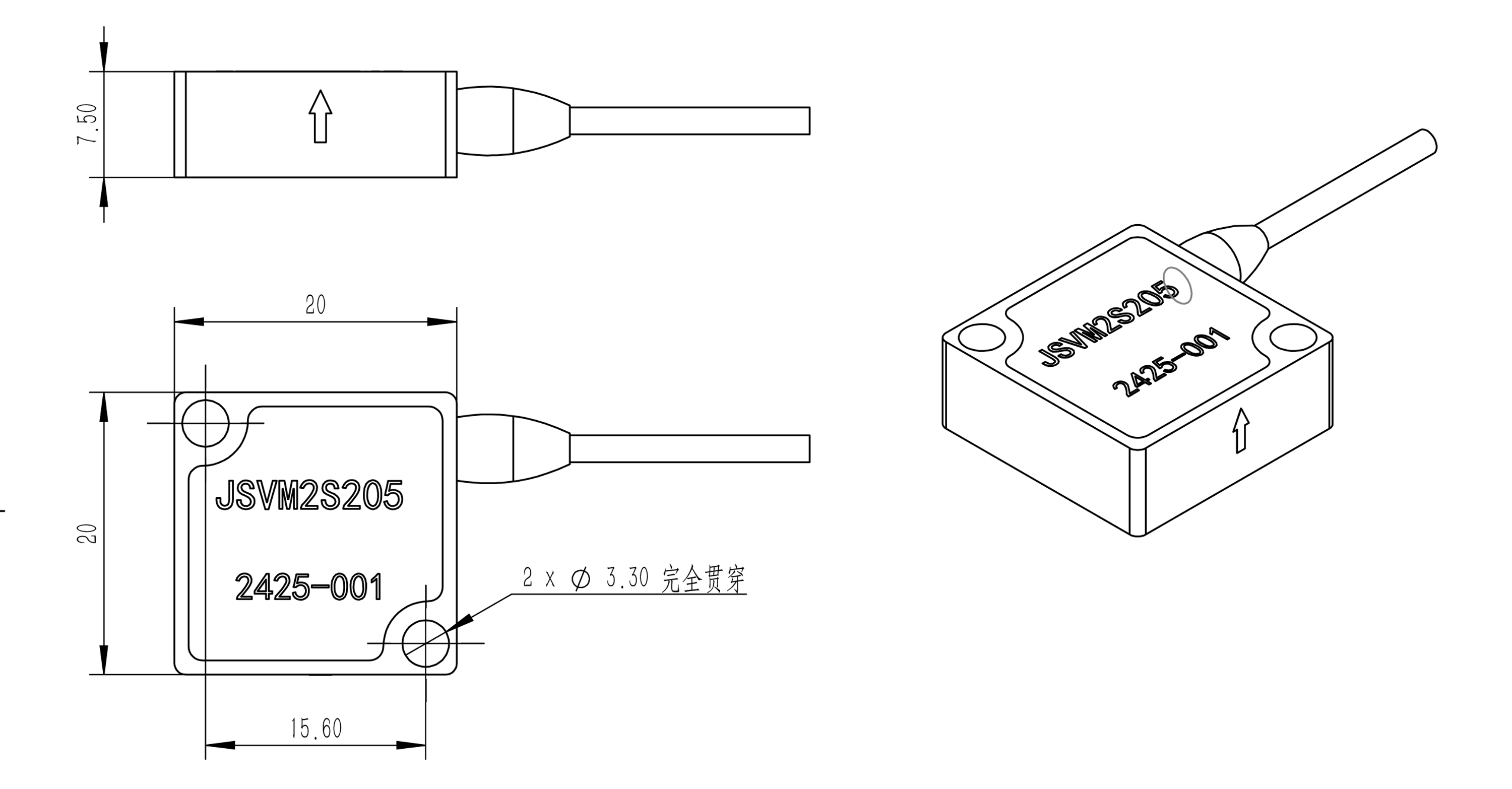
Product Dimensions
Product Electrical Interface
Wiring color
Red
Black/blue
Green
Yellow
White
Wiring Definition
Power positive
Power ground*
X-axis output
Y-axis output
Z-axis output
* Note: Reference ground for signal measurement
Performance Specifications
The JSVM2S2 is a single-axis vibrometer designed for precise vibration measurement along a single axis. Its key performance specifications are listed as below.
Unless otherwise specified, all testing was conducted under the following conditions: 12 VDC, 25°C, 50% R.H., and 1 standard atmosphere.
Civil infrastructure health monitoring Aerospace component testing and validation Historical structure preservation Industrial machinery condition assessment Research and development laboratories
This precision Low low-noise accelerometer is able to offer optimal range selection tailored to the specific requirements of monitoring. The ±20g type is highly sensitive and thus can be used to detect very low-level vibrations of fragile structures. On the other hand, the ±500g model is suitable for high-impact testing and can endure extremely harsh operating conditions. The conductive housing if, through M3 screws, it is correctly grounded on clean metal surfaces, offers very good EMI shielding, thus safe operation is ensured even in EMI noisy environments. This 304 Stainless Steel Vibration Sensor, therefore, stabilizes calibration even at wide temperature changes and thus makes long-term, accurate measurements of industrial applications possible.
The JSVM2S2 sets new structural health monitoring sensor performance standards by virtue of the combination of extremely low noise, open frequency range, and strong casing. This advanced High Frequency Vibration Sensor is capable of providing very accurate and reliable data that can be used for making vital safety decisions - the engineers and scientists' gold standard if one wants to maintain the integrity of structures and innovate with new materials through the precise measurement of vibrations.
FAQ
1. Q: The JSVM2S2 is said to provide a flat frequency response from 0 Hz (DC) to 10,000 Hz. Why is such an ultra-wide bandwidth necessary for structural health monitoring (SHM) and aerospace testing? A: The main point is that this bandwidth eliminates the need for different sensors that cover various frequency ranges.0 Hz (DC): It enables the sensor to record static changes or tilts, which are especially important when monitoring the settlement of bridges, deformation of dams, and slow drifting of aircraft structures.Lower Frequencies (0.1 - 100 Hz): The device can be utilized for the measurement of structural modes in buildings like swaying and low-frequency vibration of aircraft wings.High Frequencies (100 - 10,000 Hz): These can be exploited for detecting acoustic emissions (AE) and ultra-high-frequency vibrations that could be indicative of crack propagation, genesis of laminate in composites, or impact—in the developing stage of such faults, detection in critical structures is the purpose of this type of sensor.
2. Q: The sensor boasts an extremely low noise density (down to 30 μg/√Hz). What does this mean for the practical aspect of real-life monitoring? A: The low noise floor equates to high resolution. In other words, it means that the sensor is capable of detecting and quantifying very weak vibration signals that would be covered by the noise of a less noise sensor. This is very important for: Spotting the failure stages:Being able to recognize the tiny vibration signals resulting from the smallest bearing defect or a crack at the microscopic level long before the problem is critical. The preservation of sensitive structures:The exact measurement of very low-level ambient vibrations in buildings, monuments that are historically significant, or in very precise laboratory equipment. Enhancing the signal quality:Making available a cleaner signal for more advanced analysis methods, thus leading to more trustworthy diagnostics and prognostics.
3. Q: Considering its 10,000g shock survival rating and a wide operating voltage range (+10 to +30 VDC), is there a particular place where this sensor could be just too tough? A: Such a blend of features makes the JSVM2S2 a particularly rugged combination that is ideal for tough and unpredictable environments. Here are some examples: Field Operations:The wide voltage range allows the sensor to work reliably even when the voltage drops due to long cable runs or changes in the power of a vehicle/industrial power station. High-Impact Environments:The 10,000g shock rating certifies that the sensor can take the very hard and fast changes that come with situations like explosive blast monitoring, pyrotechnic shock testing in aerospace, or heavy machinery impacts, and it is still able to maintain the integrity of both data and sensor.
4. Q: The datasheet points out two frequency response points (±3dB and ±10%). How can I use them to set up my data acquisition? A: Primarily, these identify the accuracy range of the sensors.±3dB Bandwidth (0-10,000 Hz): This is the upper limit of usable frequency range. Within this range, the sensor output changes only up to about 30% of the nominal sensitivity. This characterization is the limit of the sensor's operation.±10% Bandwidth (0-5,000/6,000 Hz): This reflects the zone of higher accuracy. In this smaller area, the sensor's response is totally flat, and the deviation is less than 10%. If you concentrate on low-frequency analysis and require the highest amplitude fidelity, rely on this specification.
5. Q: The sensor features a "Conductive Case." What is the best practice for installation to ensure optimal performance and avoid noise? A: The conductive case should be grounded correctly in order to be an effective shield against EMI. The trouble-free way to avoid ground loops is: Preferred Method:Mount the sensor on a clean, unpainted, metal surface with the M3 screw. This will ensure a good, low-impedance path to the ground of the host structure is created. Important Component:The host structure must be connected to a single common ground point for the whole data acquisition system. The "single-point ground" technique keeps the presence of circulating currents between different ground potentials, which are primary 50/60 Hz power line noise in your signals, at a minimum.
TFC was founded in 2015, with its headquarters located in Changsha, Hunan. It has a standardized workshop of over 6,000 square meters and takes "Making every connection more reliable, making every piece of data more accurate" as its guiding principle, dedicated to providing customers with high-performance component products and solutions. The company has three business divisions: Instrumentation, Connectors, and Sensors. It is a national high-tech enterprise integrating R&D, production, testing, and sales, covering technologies such as signal connection technology, signal conditioning technology, signal switching technology, and signal detection technology.
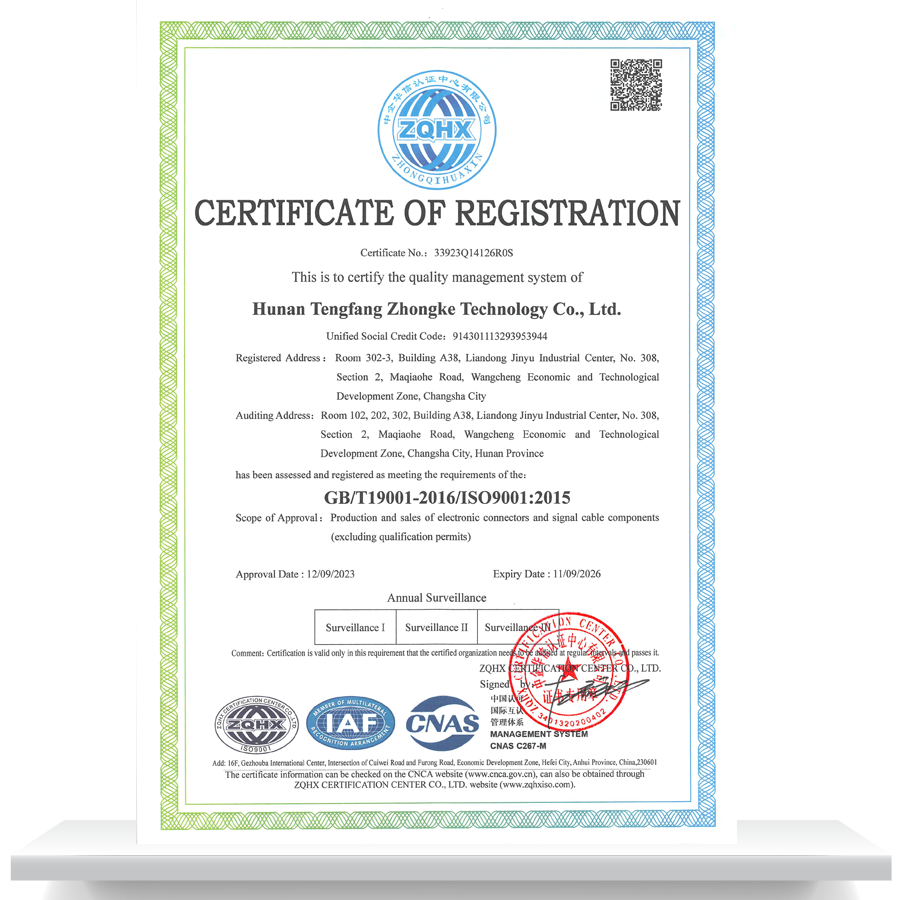
TFC has obtained National Standard (GB) Quality Management System Certification and Weapon Equipment (GJB) Quality System Certification. It has also established an independent and complete internal quality testing system. All products undergo strict full-process testing in accordance with national standards (GB) and weapon equipment standards (GJB) to ensure compliance and stability of performance.