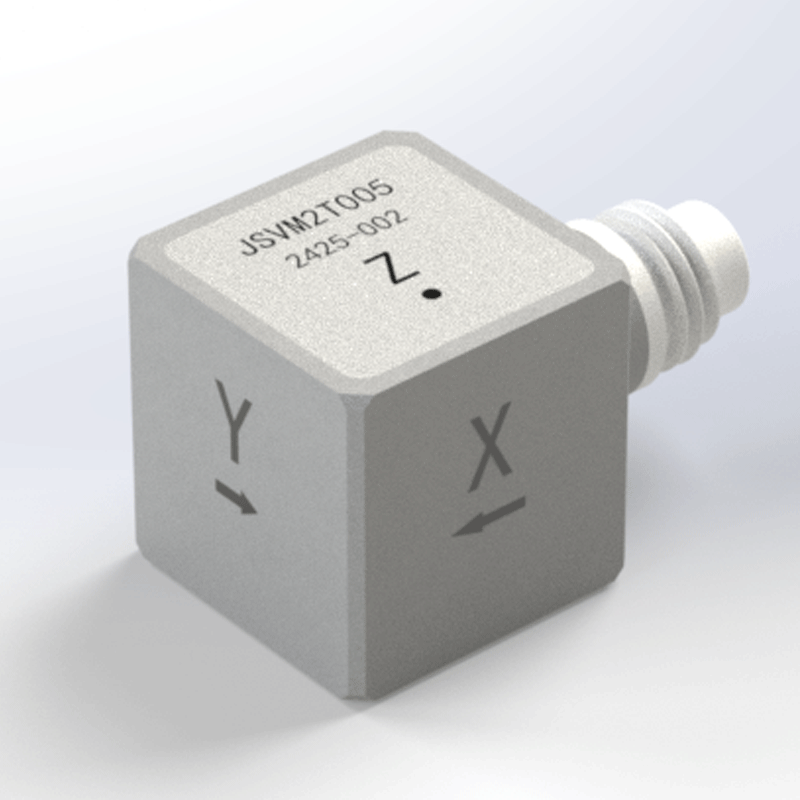
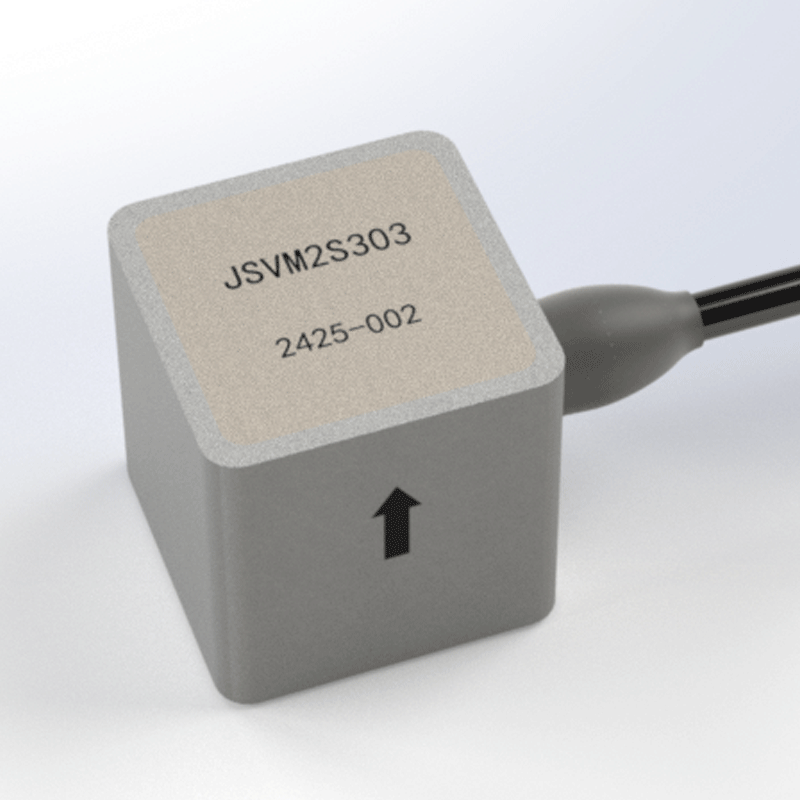
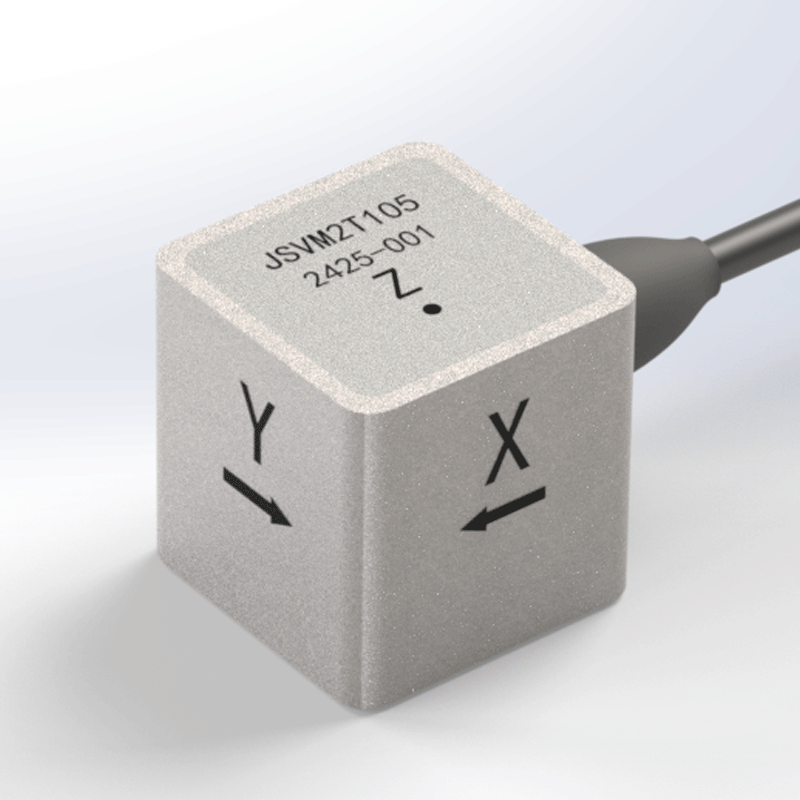
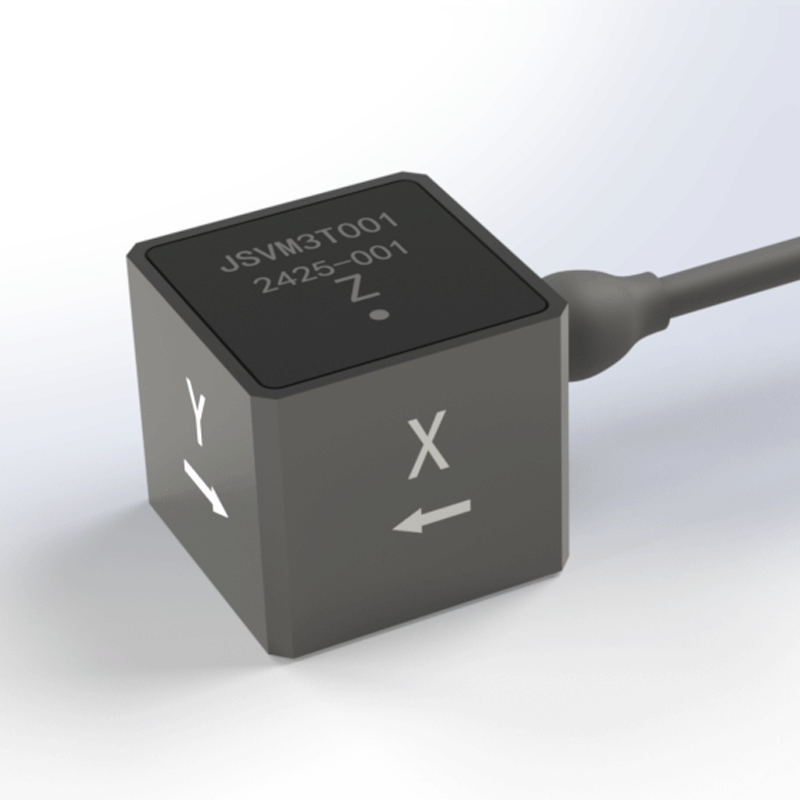
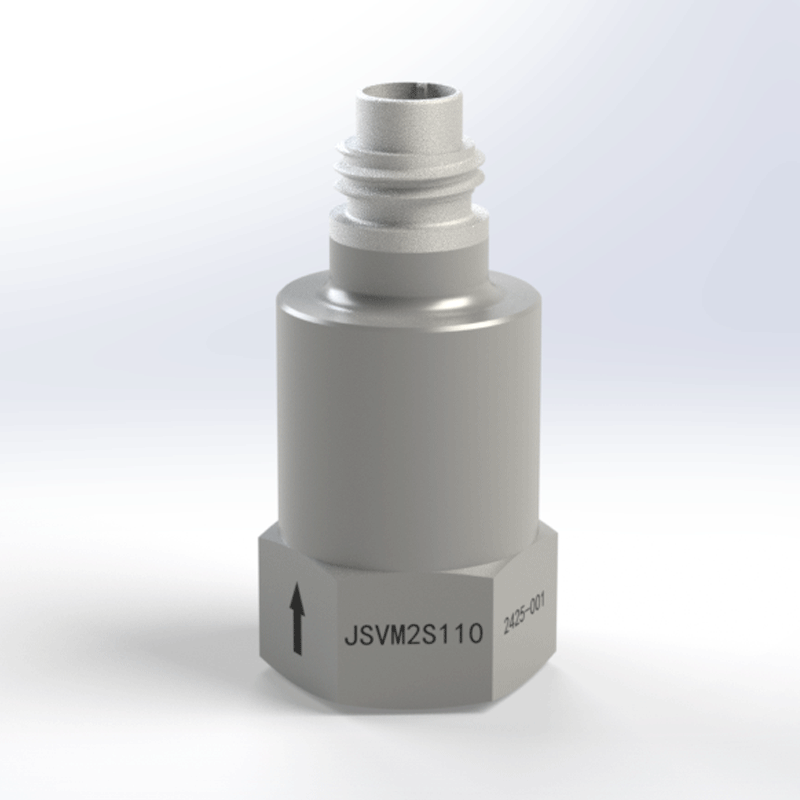
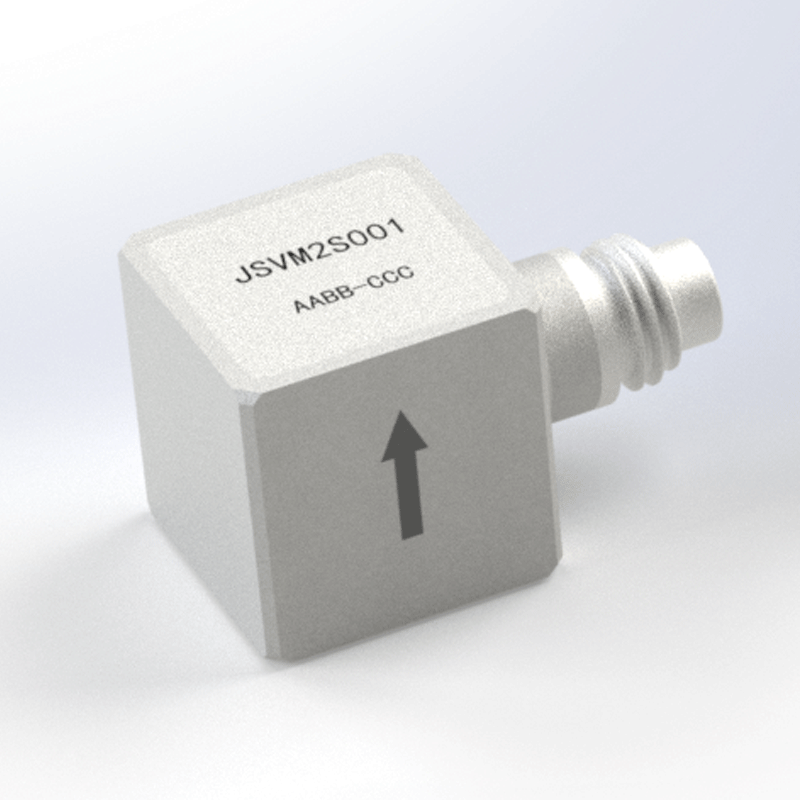
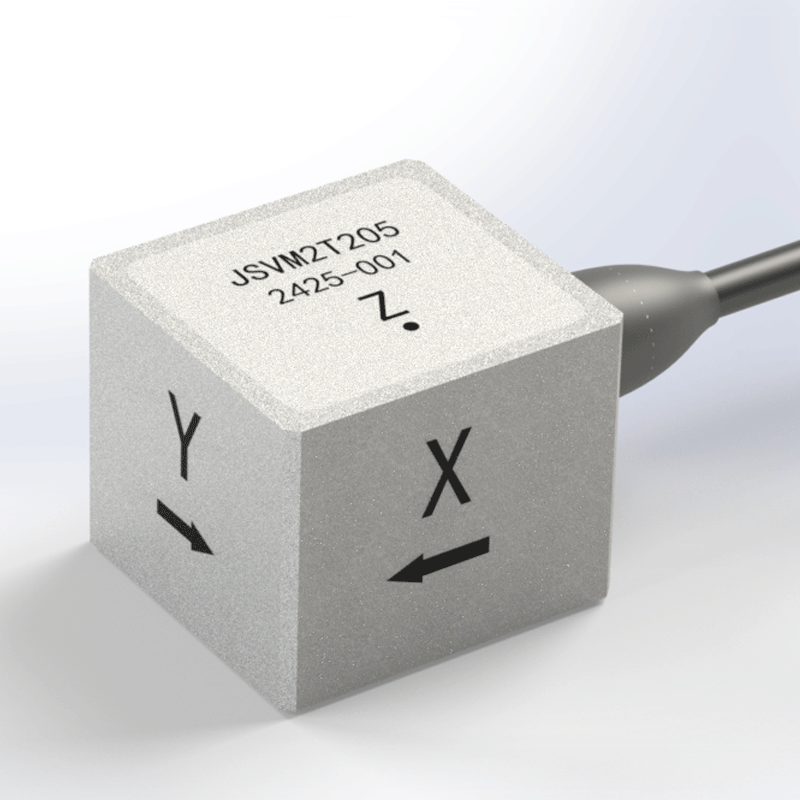
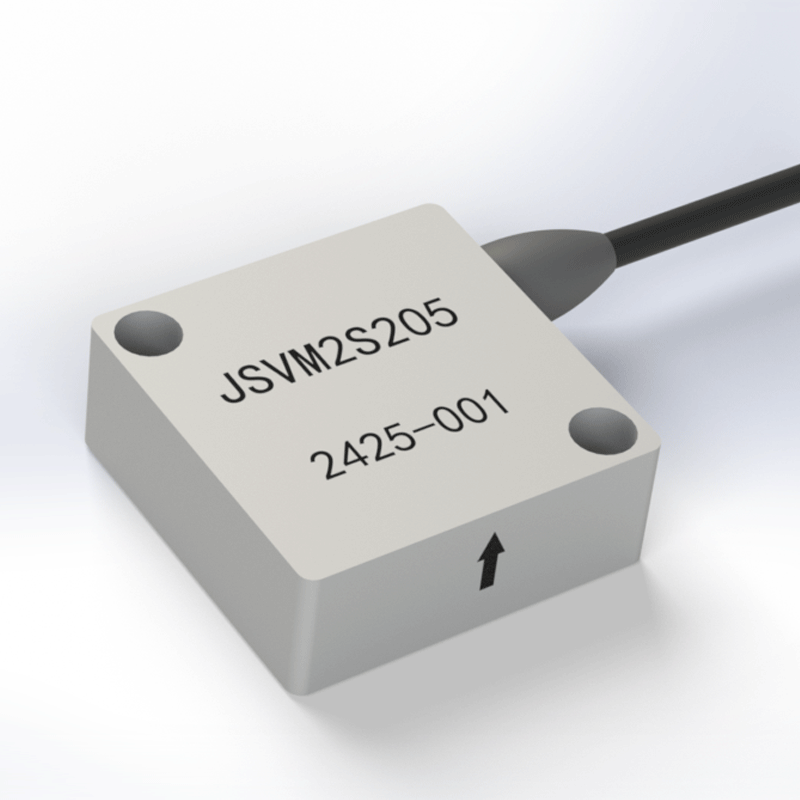
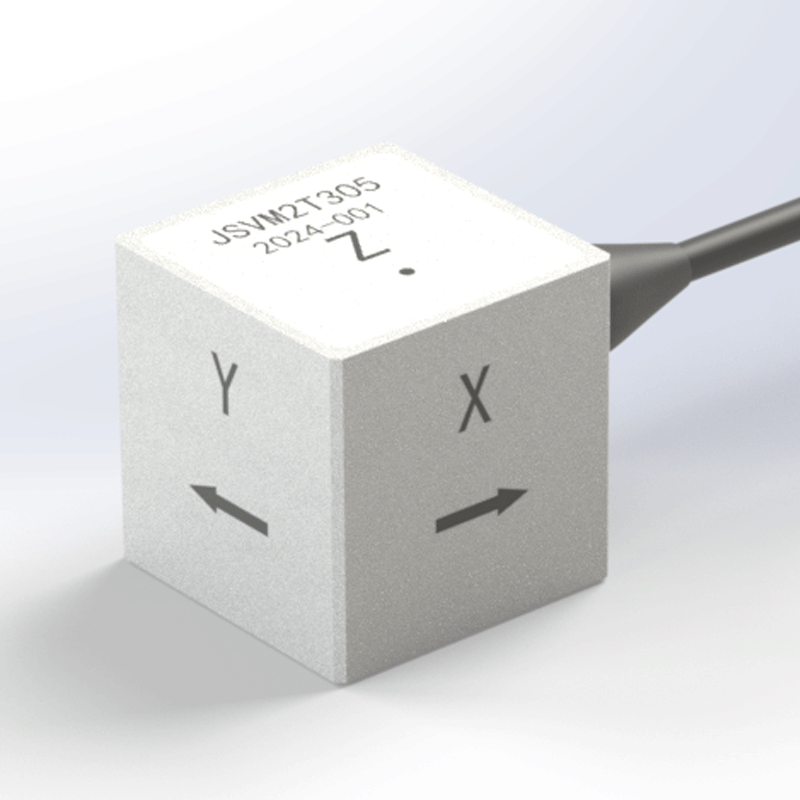
The JSVM2S3 Industrial Vibration Sensor brings new possibilities to predictive maintenance technology, especially for continuous Bearing Condition Monitoring and motor diagnostics. This state-of-the-art Low Power Vibration Sensor requires less than 2mA of current for operation while still offering lab-grade accuracy, thus it is perfectly suited for continuous Motor Vibration Monitoring in energy-efficient industrial settings. The device has a robust casing made of 304 stainless steel and monolithic housing, and it is a trusty Predictive Maintenance Sensor that can not only survive but also detect the first mechanical degradation symptoms in extremely challenging industrial environments.
Designed to accurately and reliably deliver data, this multi-purpose Industrial Vibration Sensor records vibration signals over the full range from true DC (0 Hz) to 10,000 Hz, which allows it to be used for thorough mechanical condition evaluations at all key frequency bands. The outstanding 10,000g shock resistance characteristic guarantees durability in scenarios of mechanical shocks and very high levels of vibrations, while the extremely low noise floor (35 μg/√Hz) makes it possible to identify vibration patterns of a very low amplitude, which serve as an indication of early bearing deterioration. This high-end Bearing Condition Monitoring system strikes the right balance between sensitivity for early fault detection and ruggedness for long-term industrial installations.
Critical Performance Features
Very low power consumption: 2mA operating current Wide frequency response: 0 Hz to 10,000 Hz Several measurement ranges: ±10g to ±500g Outstanding shock resistance: 10,000g survival rating Low noise density: from 35 μg/√Hz Industrial temperature range: -40°C to +85°C
A sensor's capability to determine imbalance, misalignment, and wear of bearings in rotating machinery is so effective that it can be used for these purposes only. This highly accurate Predictive Maintenance Sensor can detect the initial stage of faults several weeks and, in some cases, is even capable of detecting the faults a few months before a major breakdown. Thus, a tremendous reduction of downtime as well as the total cost of maintenance is realized.
The insulated case of the instrument is capable of completely preventing ground loops if several sensors are used. It also delivers a very clean system operation in an electrically noisy industrial environment. This hi-tech low-power vibration sensor can be installed at any remote site, including ones that are off the grid, and it also makes possible the deployment of large-scale monitoring networks without the need for conventional power infrastructures.
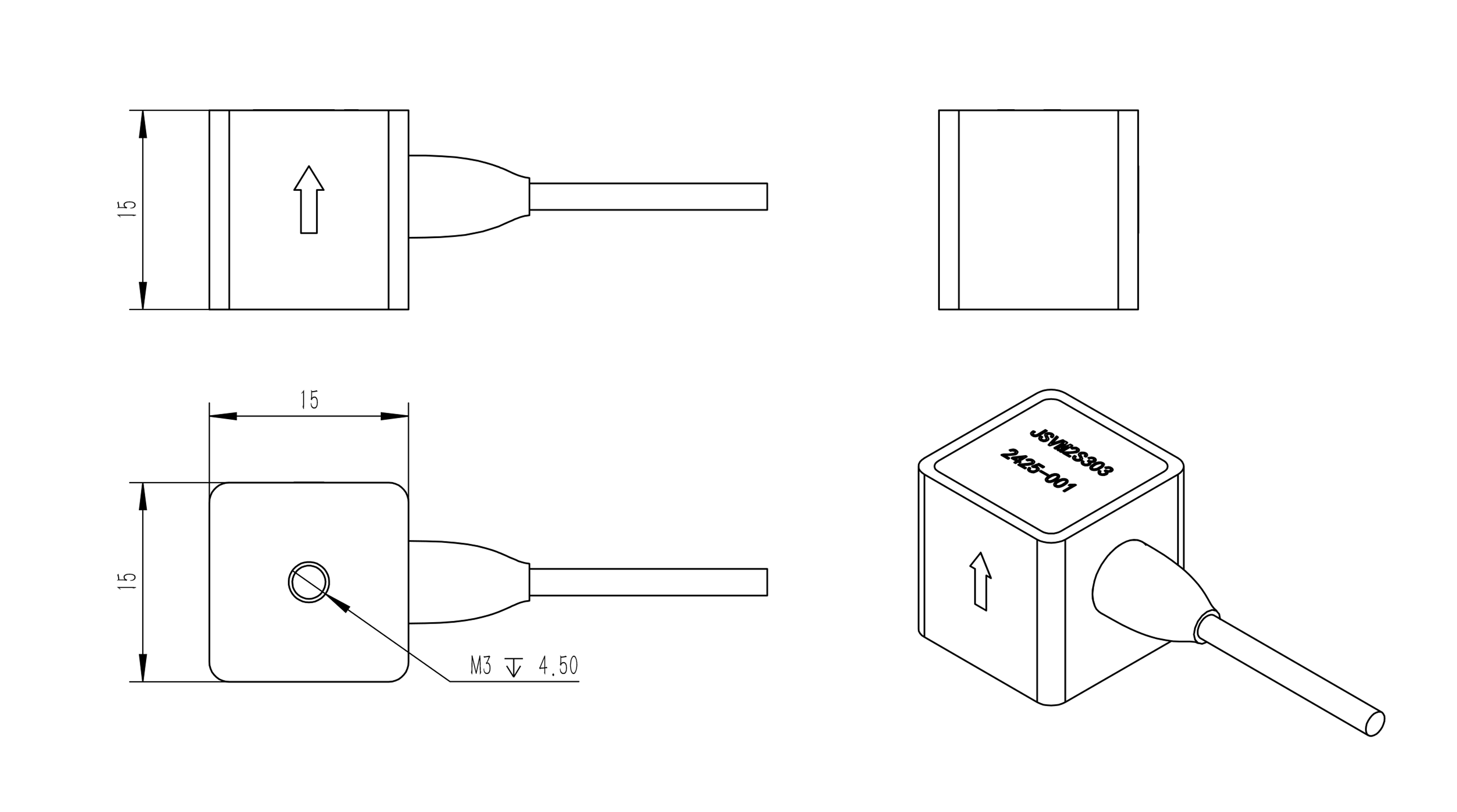
Product Dimensions
Product Electrical Interface
Wiring color
Red
Black/blue
Green
Yellow
White
Wiring Definition
Power positive
Power ground*
X-axis output
--
--
* Note: Reference ground for signal measurement
Performance Specifications
The JSAM2T0 sensor is a single-axis vibration sensor. Its key performance specifications are listed as below.
Unless otherwise specified, all testing was conducted under the following conditions: 12 VDC, 25°C, 50% R.H., and 1 standard atmosphere.
This highly detailed Industrial Vibration Sensor features an optimized range selection tailored to the specific needs of the machinery. The ±10g version is highly sensitive to detecting minimal vibrations in precision instruments, whereas the ±500g version is able to take the highest impact applications with large shock events. Its broad frequency range facilitates thorough mechanical analysis, covering everything from low-frequency unbalance to high-frequency bearing defects, thus qualifying this Bearing Condition Monitoring equipment as extremely versatile for all types of industrial rotating machinery.
As a result of its power efficiency, broad frequency range, and rugged industrial-grade design, the JSVM2S3 raises the bar for the performance of Predictive Maintenance Sensors. Rely on this cutting-edge Motor Vibration Monitoring equipment to give you accurate and early mechanical fault warnings continuously - a smart decision that maintenance technicians making Industry 4.0 and smart factory advancements should consider.
FAQ
1.Q:This sensor should give you a range selection from ±10g to ±500g. Let's say I want to use it for motors and pump bearings. How do I decide on the right range for the application?
A:The level of vibrations the equipment will determine your choice:
±10g to ±50g models:
Such type of model can be rightly termed as a continuous vibration monitoring sensor for motors and pumps operating at standard/smooth speeds. Being compatible with sensitivity (200-40 mV/g), such sensors can practically locate the very first stage of unbalance, misalignment, and bearing fault at the signal level.
±100g to ±200g models:
These models will fit well in cases where a higher level of energy is expected, e.g., in a situation of a high-speed motor or pump with known impact force etc., or, simply put, a place where you are sure the signal will be strong.
±500g model:
This model belongs to the set of equipment for the ultra extreme cases, or when you have to admit that the failure scenario might consist only of a couple of great shock bursts, therefore capturing the failure would be the very first mistake etc. Generally speaking, in most of the predictions of normal wear and tear of ordinary equipment, unless one or both of the characteristics have to be out of line by ±10g or ±50g model would give you the highest resolution.
2.Q: If a sensor's frequency response is 0 Hz to 10,000 Hz, wouldn't one sensor be enough to monitor the general condition and the bearing faults?
A: Yes, absolutely. Actually, the wide frequency range of the sensor is what makes it such a good generic tool which can be used in different ways for the analysis:
Overall Vibration (Low Frequencies): Changes in vibration in the 0-1000 Hz frequency band can be referred to for the general vibration level monitoring (indicated by RMS velocity); therefore, such a method is very effective for detecting unbalance and misalignment.
Bearing Fault Frequencies (Mid to High Frequencies): The bearing fault frequencies (BPFO, BPFI, etc.) range mainly in hundreds of Hz to 2-3 kHz range and thus can be readily recorded by the sensor.
High-Frequency Stress Waves (>5 kHz): The sensor is capable of picking up the high-frequency acoustic emissions caused by the micro-impacts of a worn-out bearing. Thus, with the appropriate detection techniques, it is quite possible to identify the bearing failure at a very early stage.
3. Q: The noise density is as low as 35 μg/√Hz. Why is this critical for detecting incipient bearing failures? A: At the beginning of a bearing fault, the changes caused by the fault in the vibration signal are usually quite small. A low noise floor (35 μg/√Hz) means that a sensor produces very little noise internally, so that the early-warning signals can be clearly discerned from the noise. High-resolution measurements are what really make a predictive maintenance program successful in planning maintenance activities well ahead of a catastrophic failure. 4. Q: The sensor has an exceptionally low and consistent current consumption of 2mA. What are the key benefits for industrial applications? A: You can get a lot of benefits from such very low power consumption: Battery-Powered Long-Term Monitoring: Without battery replacement, the monitoring can go on for months and even years, which means it is particularly suitable for remote locations or equipment that is hard to wire. Large Channel Count Systems: In theory, this will allow you to connect a huge number of sensors to a single data acquisition system while still staying within the power limits of that system. This is important as it helps lower system costs and reduces complexity. Intrinsic Safety (IS) Potential: Low power consumption puts you closer to having system designs that are capable of being certified for explosive atmosphere use.
5. Q: The datasheet mentions "Case Isolation". What is the primary benefit of this feature? A: A non-conductive isolated case serves to prevent ground loops from being formed. For example, when sensors are mounted on a conductive structure, such as a motor frame, a ground loop will occur if the cases of the sensors are connected electrically. The loop will then tend to pick up the 50/60 Hz power line noise and inject it into the signals; however, by breaking the path, the isolated case of the JSVM2S3 helps you ensure that the data is cleaner. This also makes the installation easier, especially in setups involving multiple sensors.
TFC was founded in 2015, with its headquarters located in Changsha, Hunan. It has a standardized workshop of over 6,000 square meters and takes "Making every connection more reliable, making every piece of data more accurate" as its guiding principle, dedicated to providing customers with high-performance component products and solutions. The company has three business divisions: Instrumentation, Connectors, and Sensors. It is a national high-tech enterprise integrating R&D, production, testing, and sales, covering technologies such as signal connection technology, signal conditioning technology, signal switching technology, and signal detection technology.
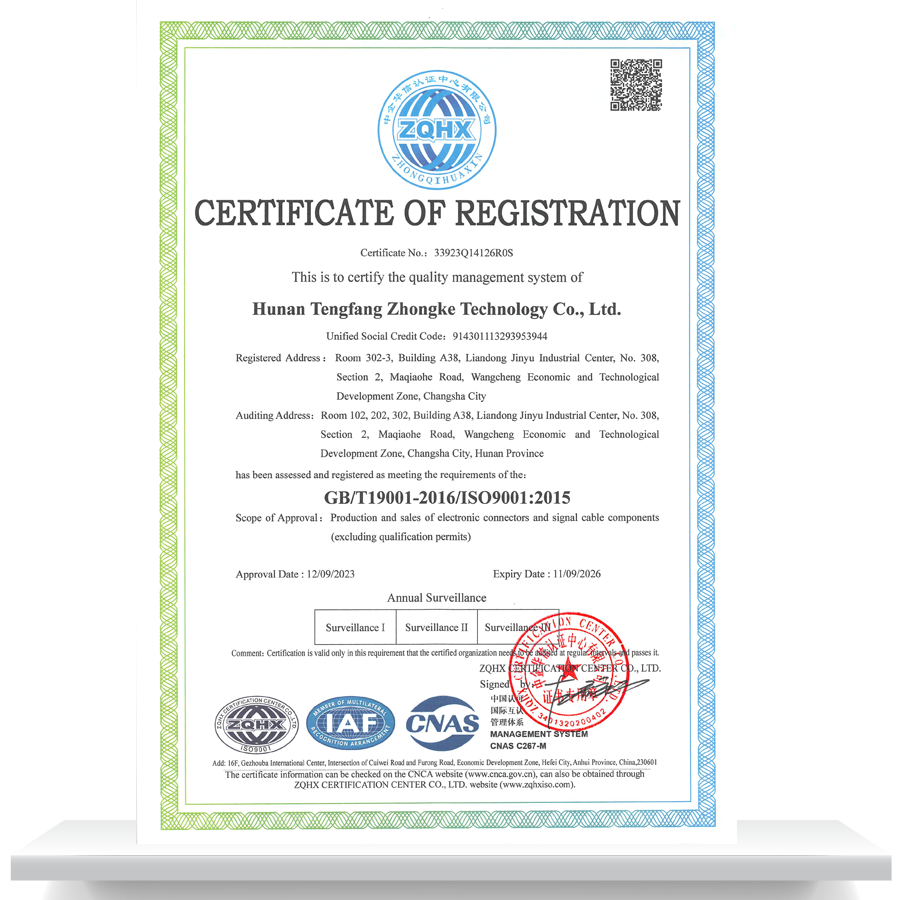
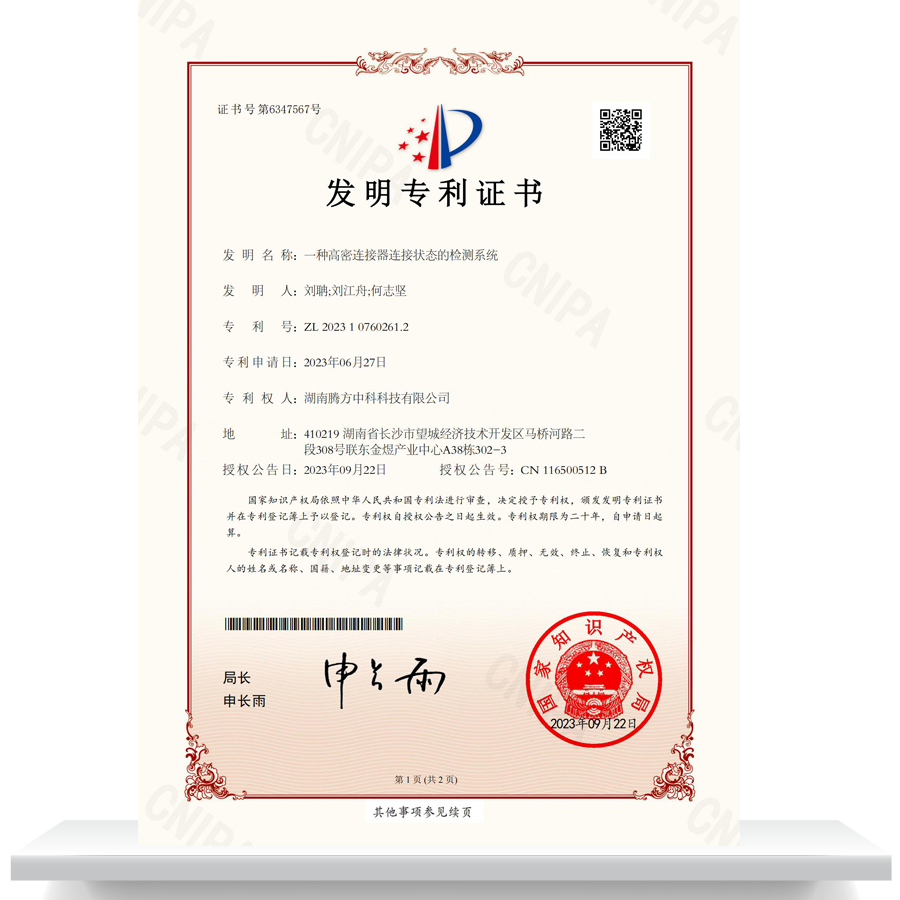
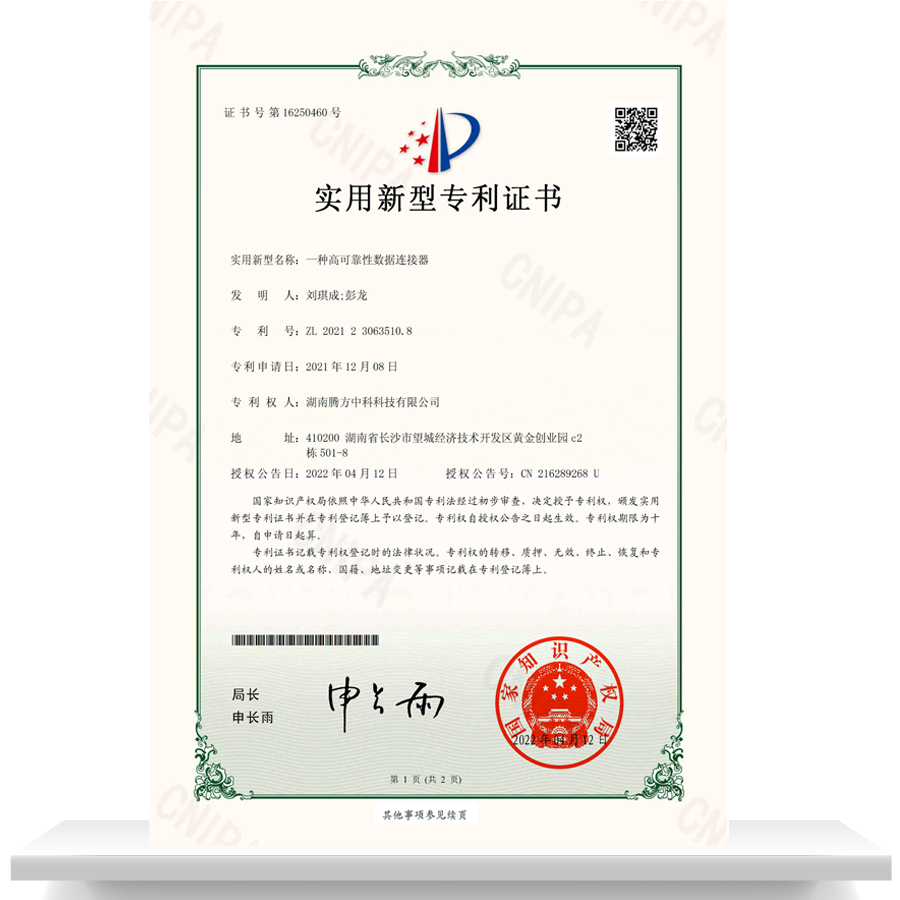
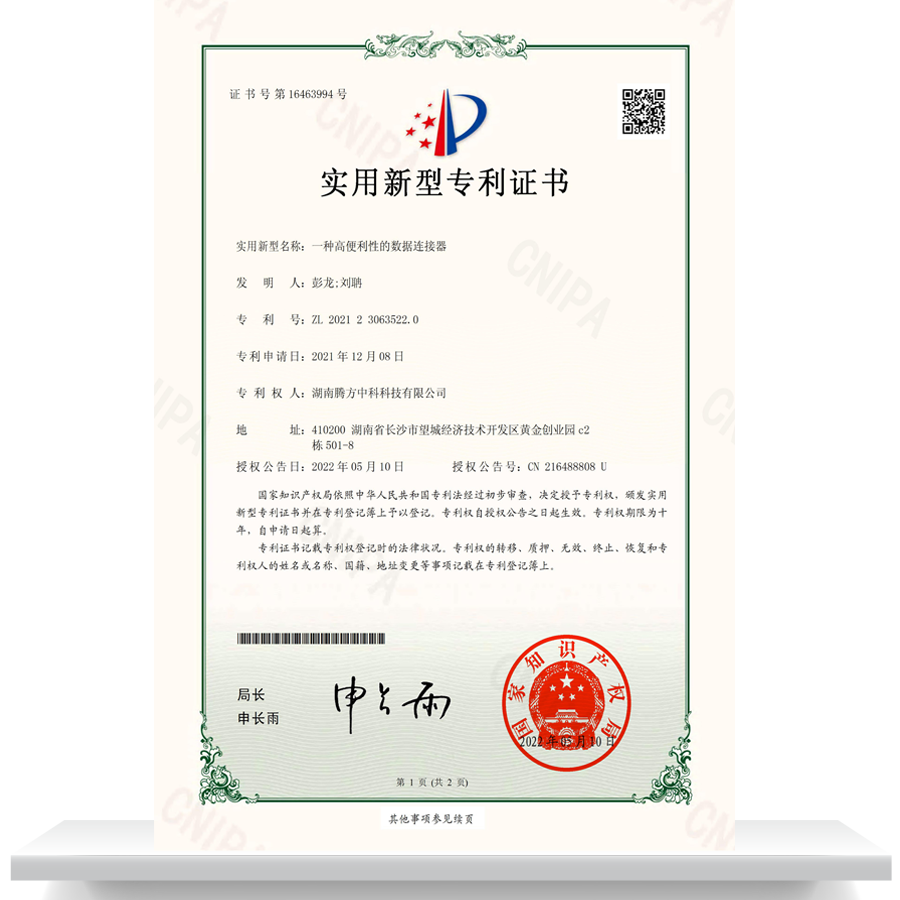
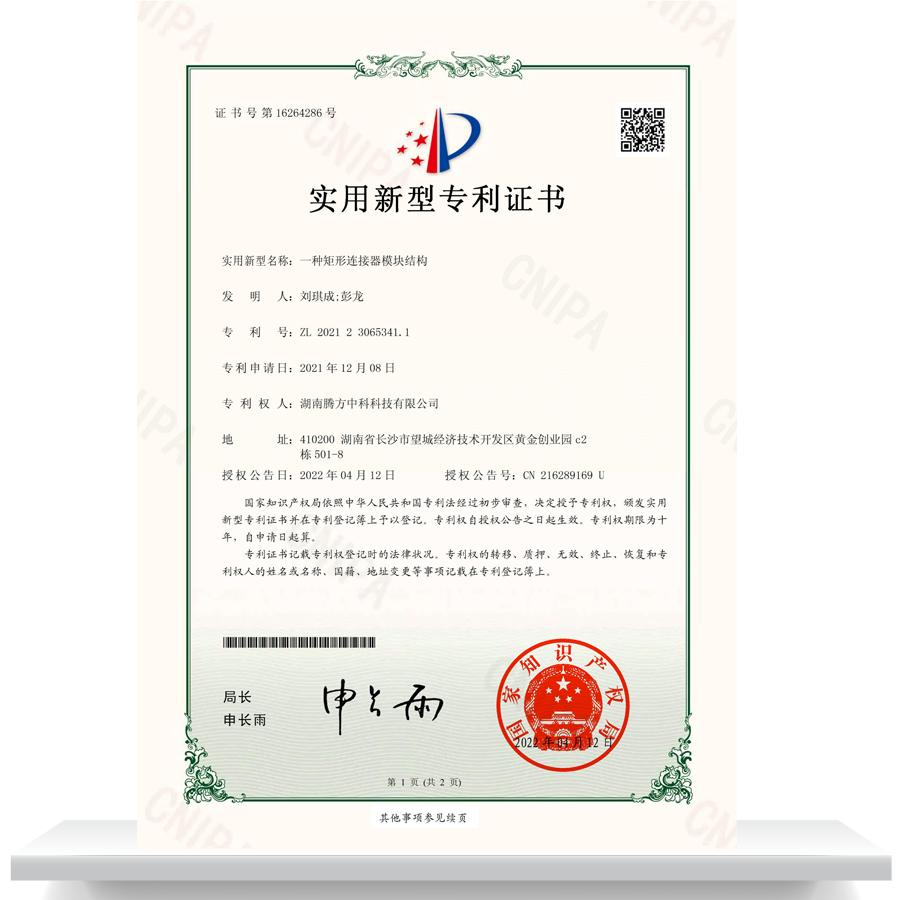
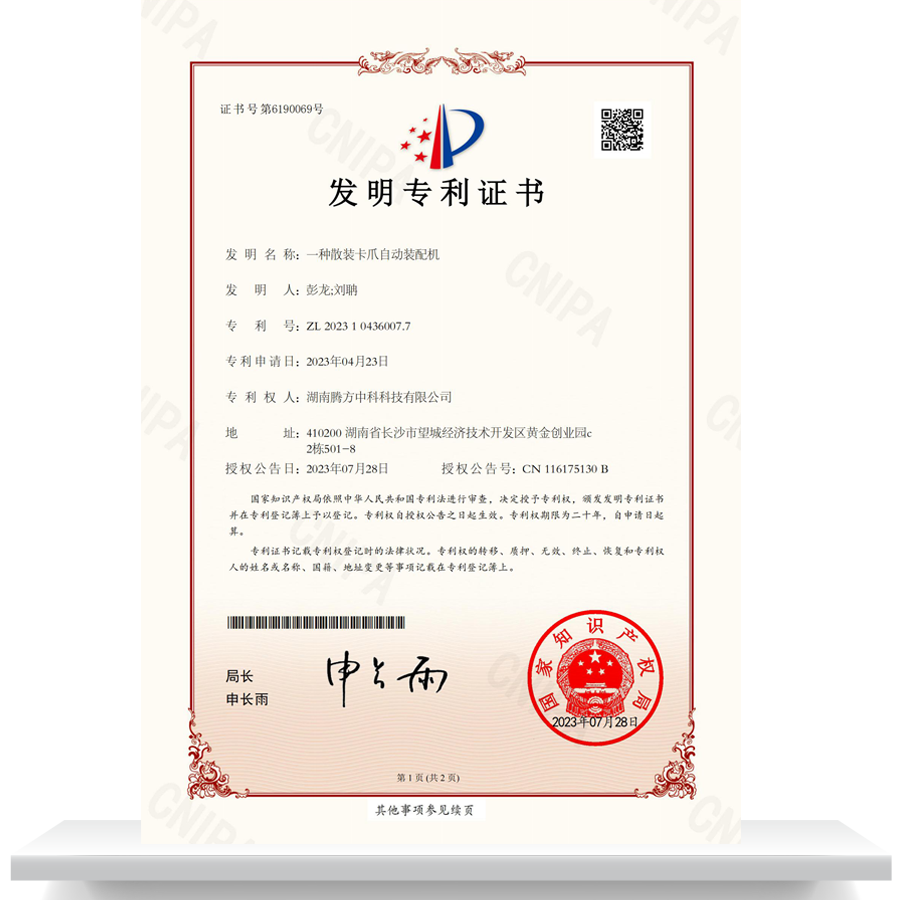
TFC has obtained National Standard (GB) Quality Management System Certification and Weapon Equipment (GJB) Quality System Certification. It has also established an independent and complete internal quality testing system. All products undergo strict full-process testing in accordance with national standards (GB) and weapon equipment standards (GJB) to ensure compliance and stability of performance.