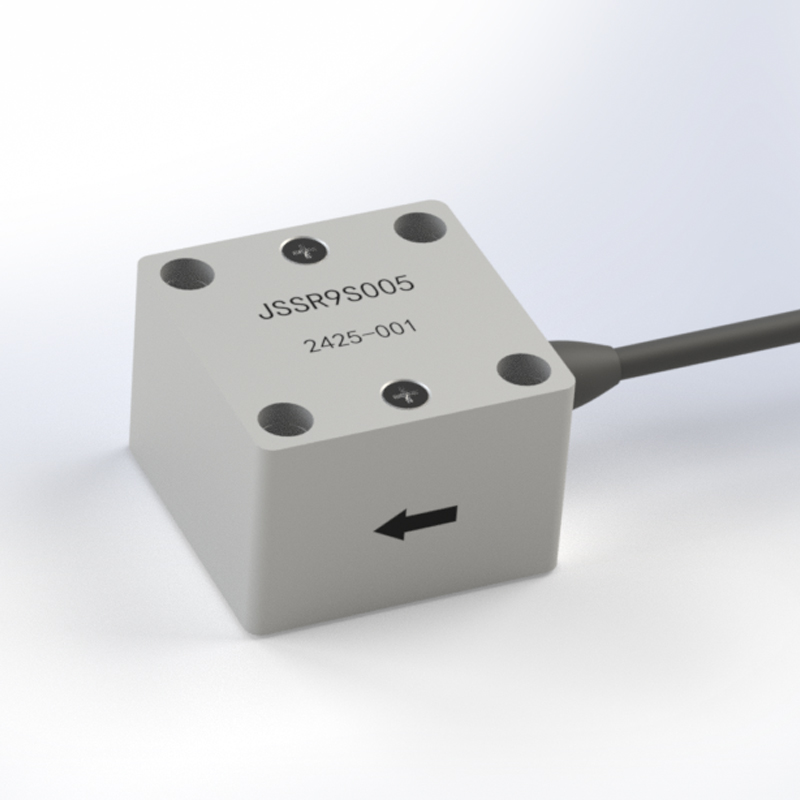
Core Technology: MEMS Variable Capacitance
Housing Material: Monolithic TC4 Titanium Alloy
Frequency Response: Up to 10 kHz
Shock Survival: 20,000 g
Measuring Range: Selectable from ±1,000 g to ±10,000 g
Linearity: < ±2% Full Scale Output (FSO)
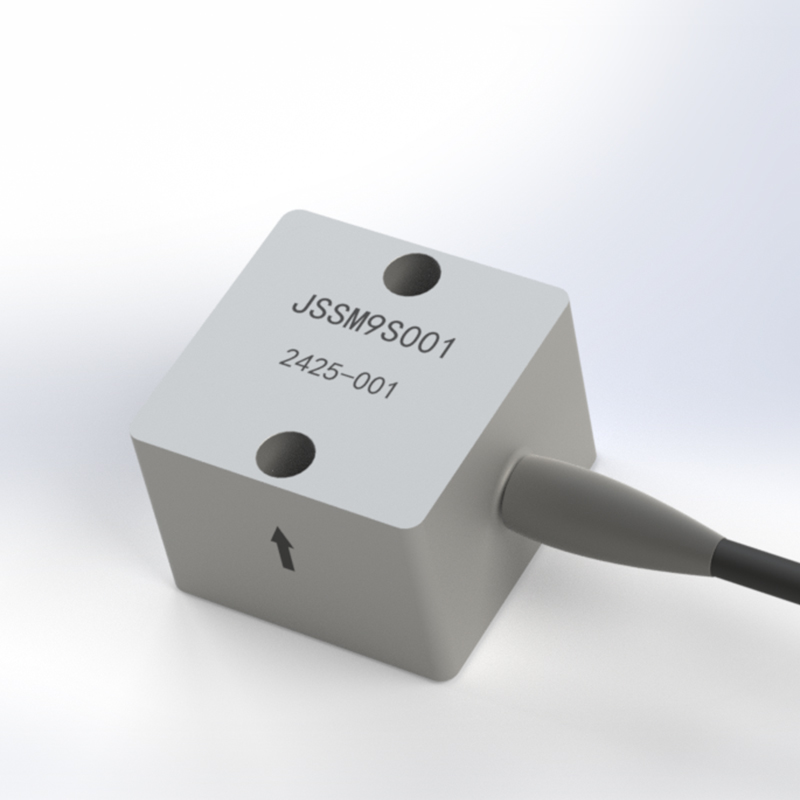
The JSSM9S0 High-G Shock Sensor is a leading-edge product for impact testing that combines toughness and accuracy in capturing the highest g shocks. This state-of-the-art MEMS Shock Accelerometer offers a wide measurement range of up to ±10,000g and a bandwidth of 10 kHz, making it perfect for use where regular sensors cannot work due to the severity of the vibrations. The durable Titanium Alloy Accelerometer casing made of premium TC4 titanium achieves a rare combination of extreme strength and ultralow weight.
Equipped with sophisticated MEMS variable capacitance technology at its core, this rugged 10000g Accelerometer offers < 0.02 linearity < ±2% FSO) and a high level of operational stability under the most extreme environmental stress conditions. Monolithic titanium housing and 3D-packaged sensor elements perfectly complement each other in providing the features associated with the highest standard of performance. Thus, this Impact Testing Sensor is the best equipment for ballistic testing, explosive impact monitoring, and high-G mechanical shock experiments.
Critical Performance Specifications
Ultra-wide measurement range: ±1,000g to ±10,000g
Wide frequency response: 10 Hz to 10 kHz Unrivalled shock survival: 20,000g on any axis Low noise density: 10 mg/√Hz High temperature operation: -40°C to +125°C Compact lightweight design: 13g
The High-G Shock Sensor is tailor-made for applications in defense systems, car crash tests, and before & after industrial machinery monitoring situations, where it is always crucial to catch very short-lasting, high-magnitude shock wave peaks. The MEMS Shock Accelerometer assures quantitative verification of explosive gases, pyrotechnic shocks, and mechanical impacts that would render a normal device unusable. A Titanium Alloy Accelerometer concept considerably improves the features of anti-corrosion and mechanical strength of the sensor.
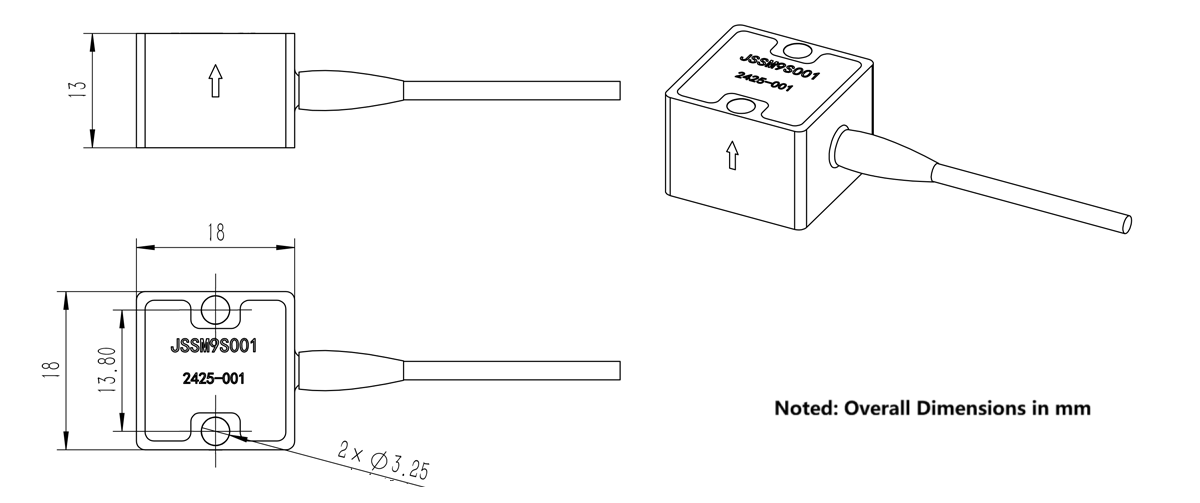
Product Dimensions
Product Electrical Interface
Wiring color
Red
Black/blue
Green
Yellow
White
Wiring Definition
Power positive
Power ground*
X-axis output
--
--
* Note: Reference ground for signal measurement
Performance Specifications
The JSSM9S0a single-axis measurement device for shock acceleration. Its key performance specifications are listed as below.
Unless otherwise specified, all testing was conducted under the following conditions: 12 VDC, 25°C, 50% R.H., and 1 standard atmosphere.
Military and defense testing applications Automotive crash safety validation Industrial machinery impact monitoring Aerospace component testing Explosive and ballistic testing facilities
The JSSM9S0 is an all-in-one 10000g Accelerometer which provides multiple range configurations to meet the test requirements of any experiment. Furthermore, AC coupling removes the low-frequency drift and retains the high-frequency shock signals. So it is the most suitable Impact Testing Sensor for the transient event capture. 20,000g shock survival rating gives an extensive safety margin and ensures sensor security in extreme conditions.
Due to the extraordinary capacity of the range, sturdy titanium casing, and the advanced MEMS tech packed in a single unit, the JSSM9S0 counts among the best High-G Shock Sensor products on the market. Keep your measurements continuous and reliable with this top-of-the-line MEMS Shock Accelerometer that is designed to work under the greatest acceleration levels. Allowing user control of three different input amplification ranges and frequency responses, it is a remarkably flexible device.
FAQ
1. Q: What makes this a true shock sensor instead of a general vibration sensor?
A: Its combination of a very high measurement range (up to ±10,000g) and wide bandwidth (up to 50 kHz) is especially targeted at recording extremely short and high-amplitude shock pulses, which ordinary vibration sensors are not able to measure properly. 2. Q: Why is titanium alloy (TC4) used for the housing?
A: TC4 titanium offers a great compromise between a high strength-to-weight ratio and outstanding corrosion resistance, which helps the sensor to be physically strong in harsh military and industrial environments, yet lightweight.
3. Q: Sensitivity is low (0.2-2 mV/g). Can it still be used for shock measurement? A: Yes, of course. When measuring very high-g shocks, it's actually normal and even preferred to have less sensitivity. This way the sensor is able to produce a larger output voltage range to represent the extreme accelerations without the signal saturation (clipping), which is very crucial for the accurate capturing of shock pulses. 4. Q: What is the purpose of 30,000g shock survival rating? A: It indicates that the sensor is capable of withstanding a shock that is several times higher than the maximum it can measure, without being damaged. Therefore, in situations like ballistic testing, explosives, or heavy machinery impacts, this high survival rating will serve as a guarantee of the sensor's physical condition and the data it collects.
5. Q: The frequency response starts at 10 Hz (AC-coupled). Why is this acceptable for a shock sensor?
A: True mechanical shocks do not have much energy at very low frequencies (<10 Hz). The AC-coupling (which acts as a high-pass filter) is capable of efficiently getting rid of low-frequency drift and tilt components, thus providing a perfectly clean and stable baseline for the recording of the high-frequency shock transient only.
TFC was founded in 2015, with its headquarters located in Changsha, Hunan. It has a standardized workshop of over 6,000 square meters and takes "Making every connection more reliable, making every piece of data more accurate" as its guiding principle, dedicated to providing customers with high-performance component products and solutions. The company has three business divisions: Instrumentation, Connectors, and Sensors. It is a national high-tech enterprise integrating R&D, production, testing, and sales, covering technologies such as signal connection technology, signal conditioning technology, signal switching technology, and signal detection technology.
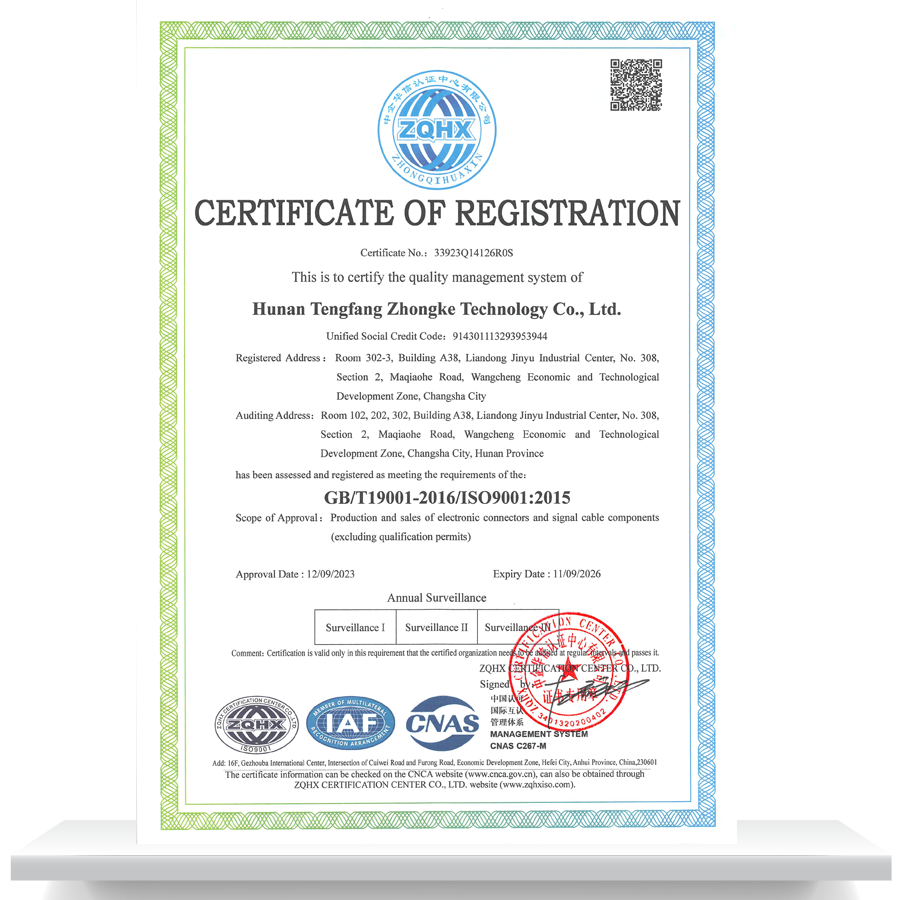
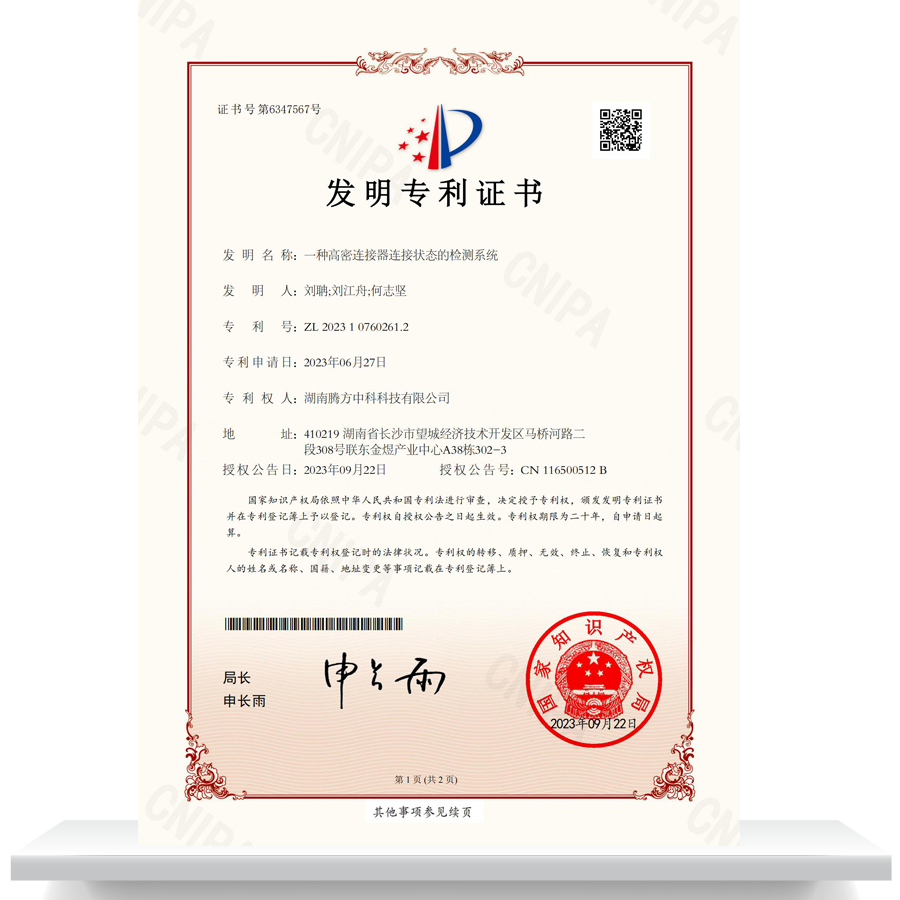
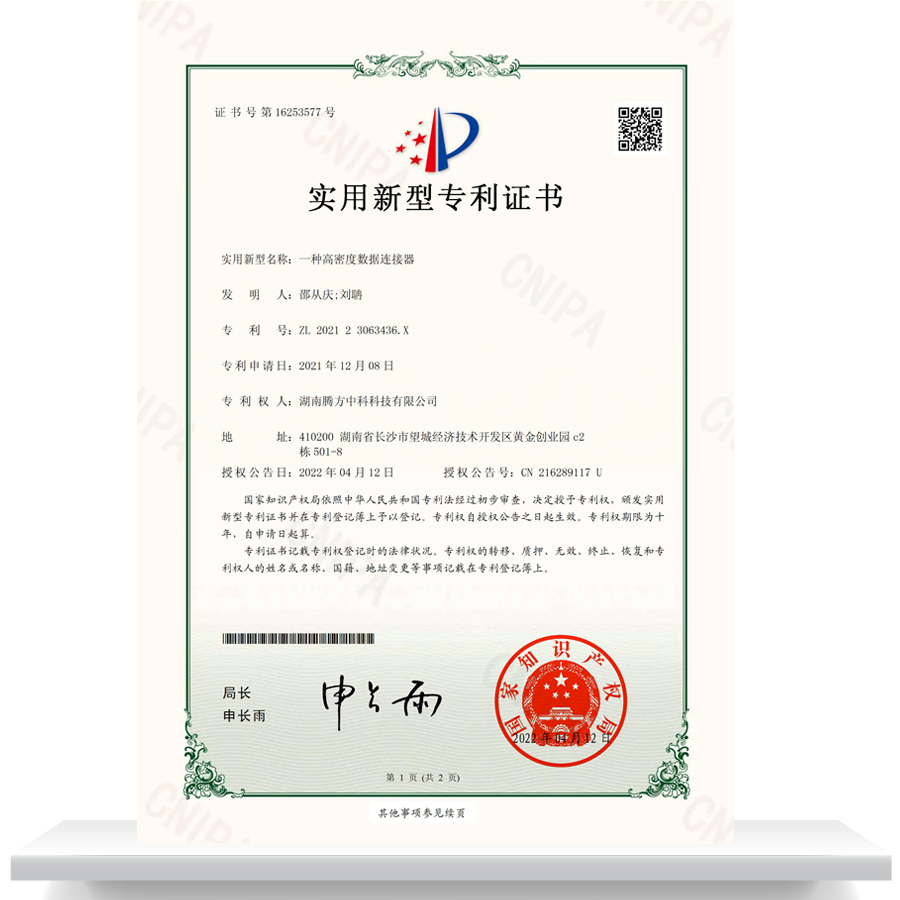
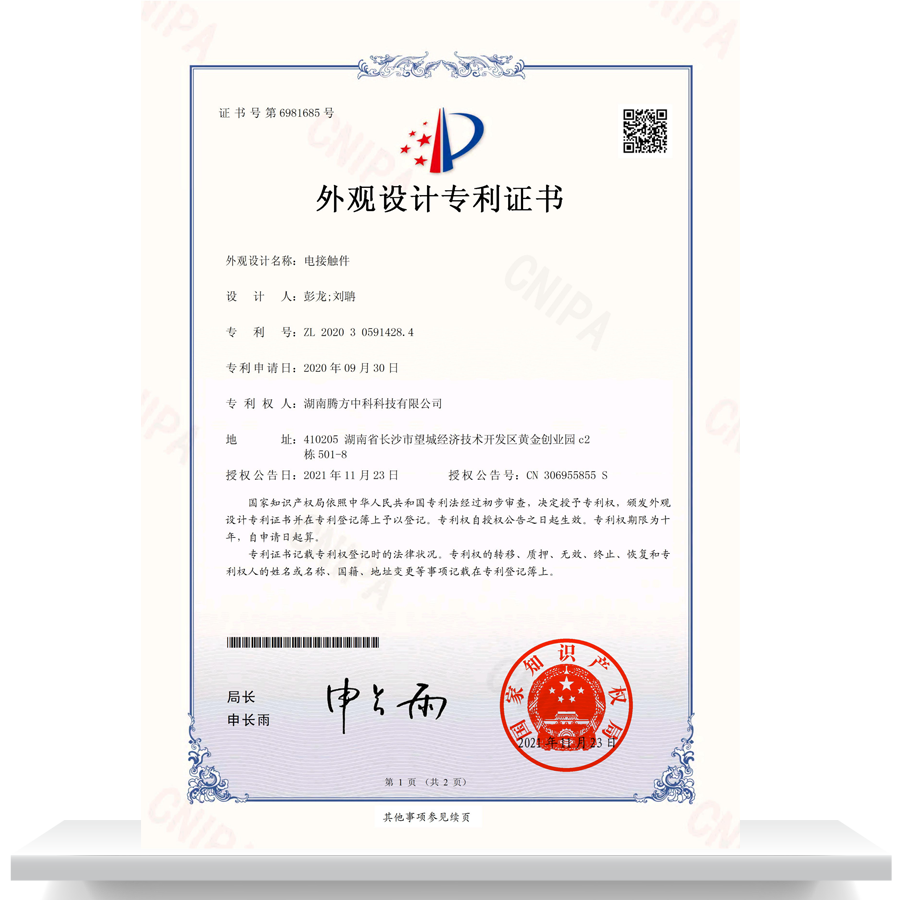
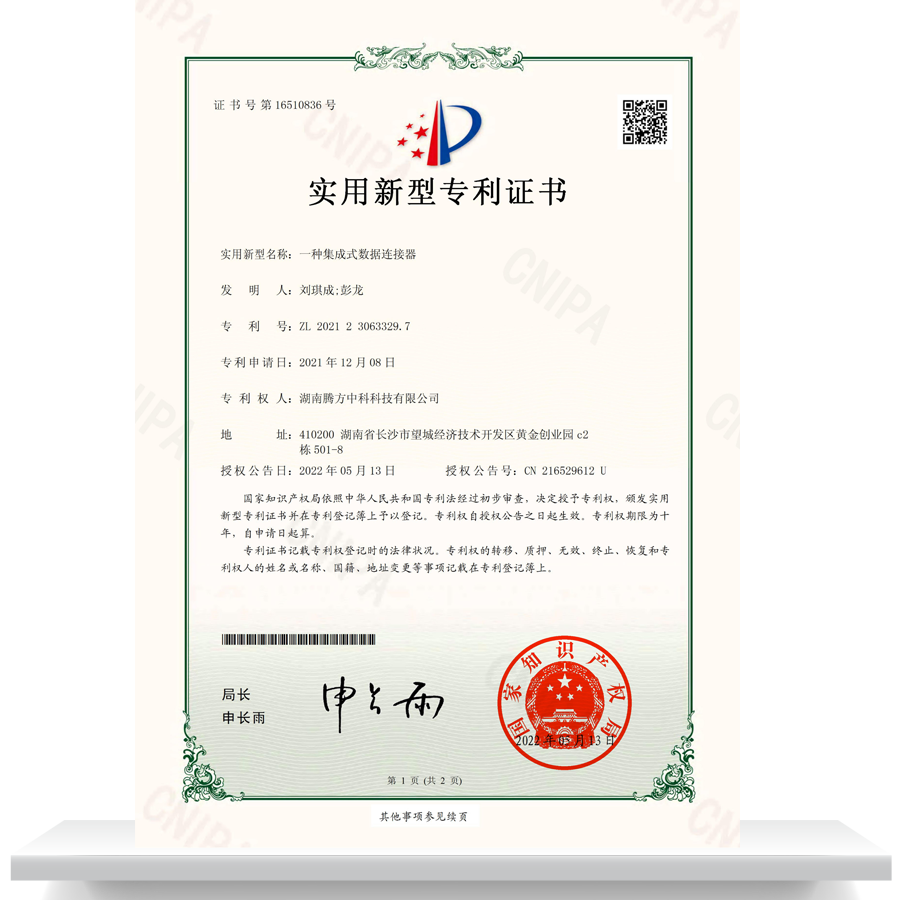
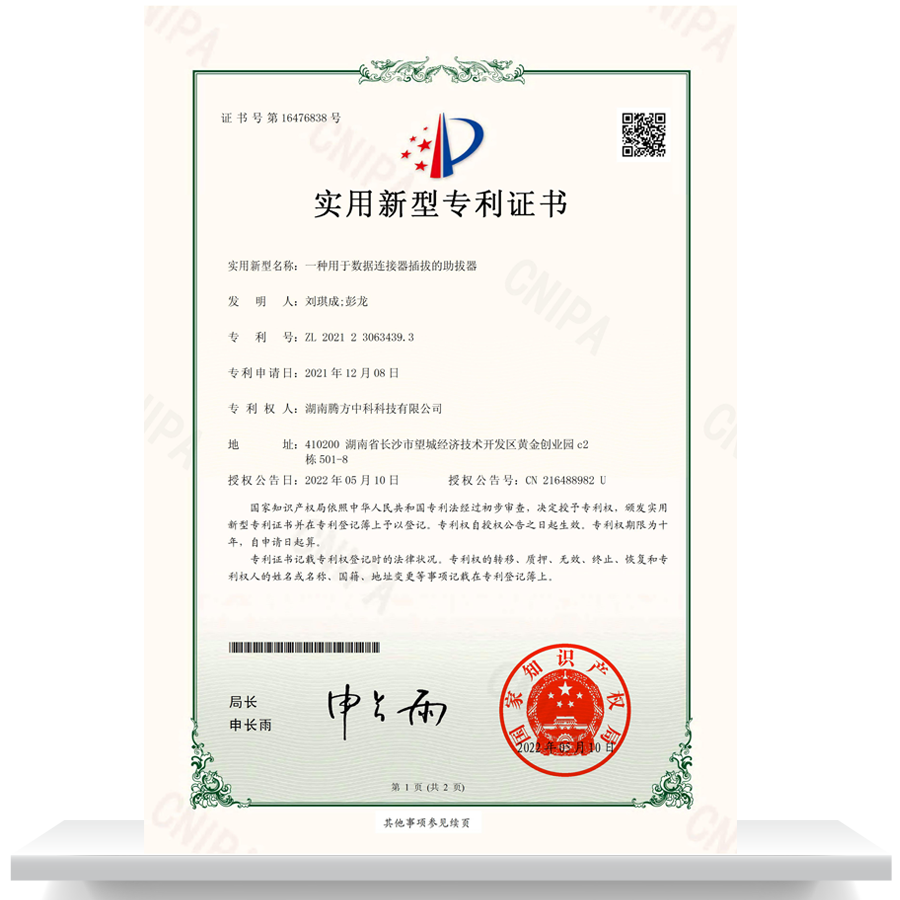
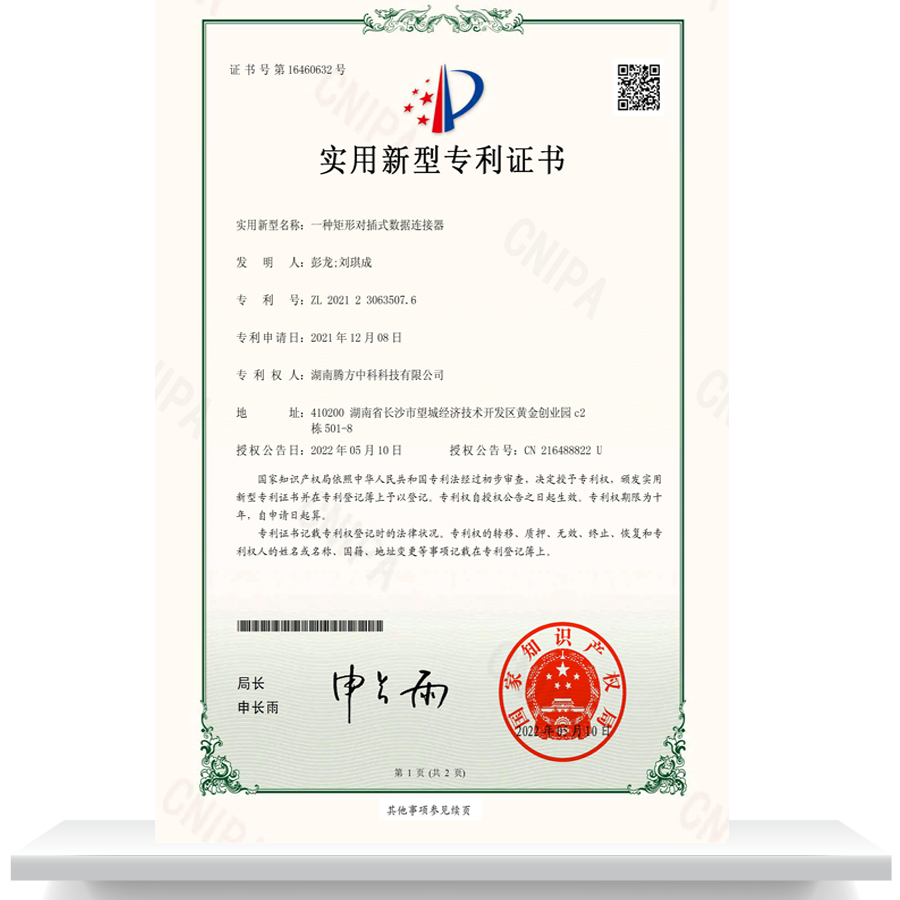
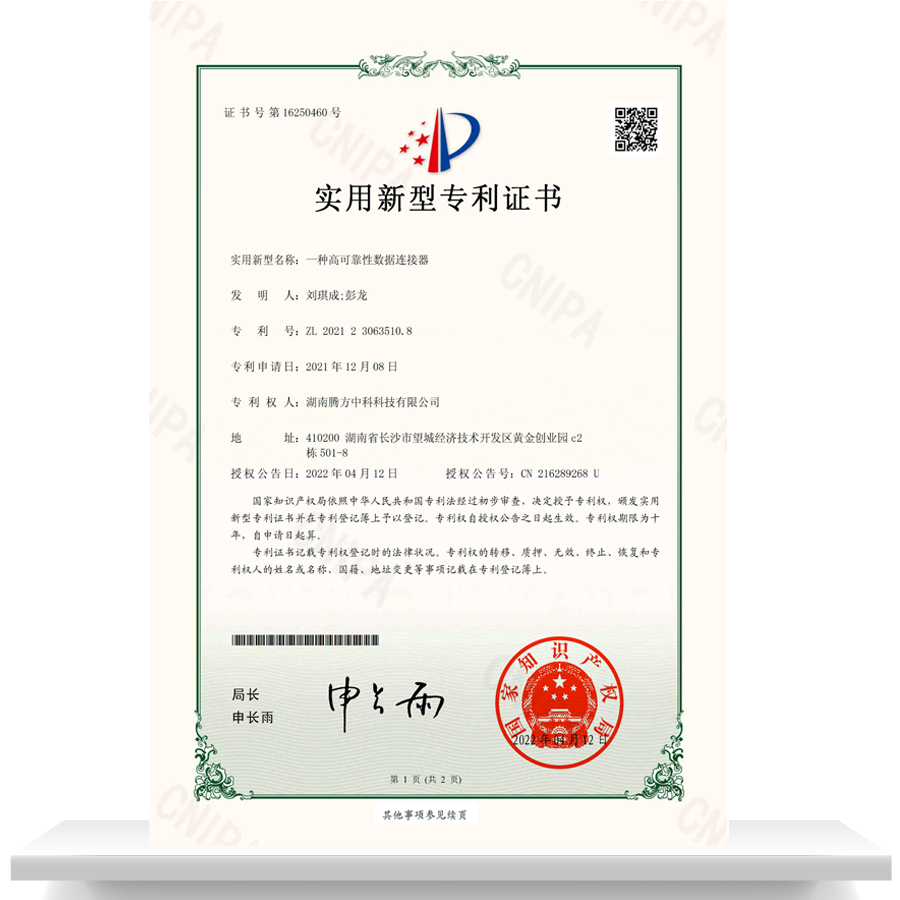
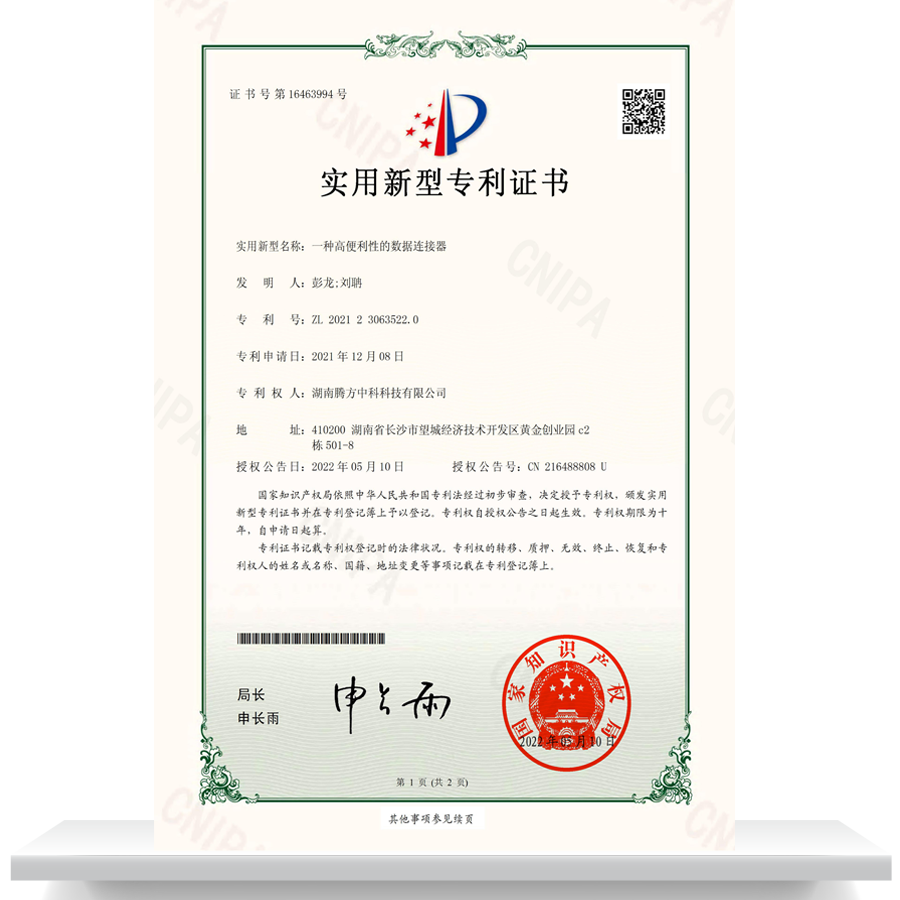
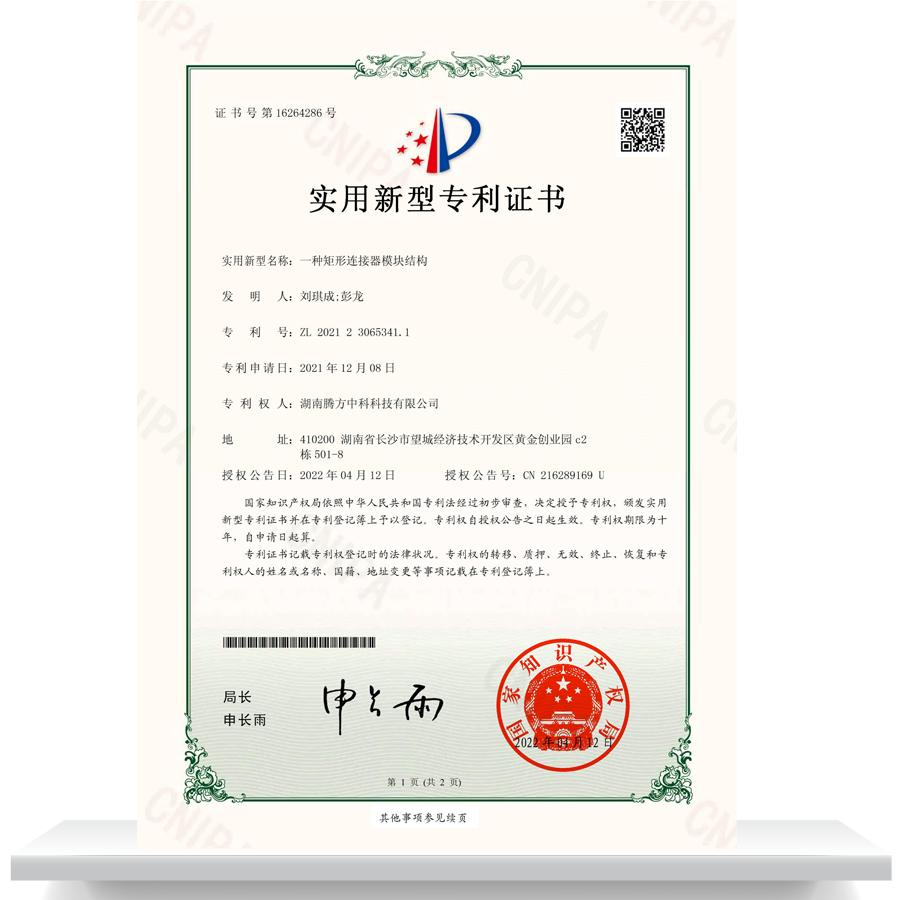
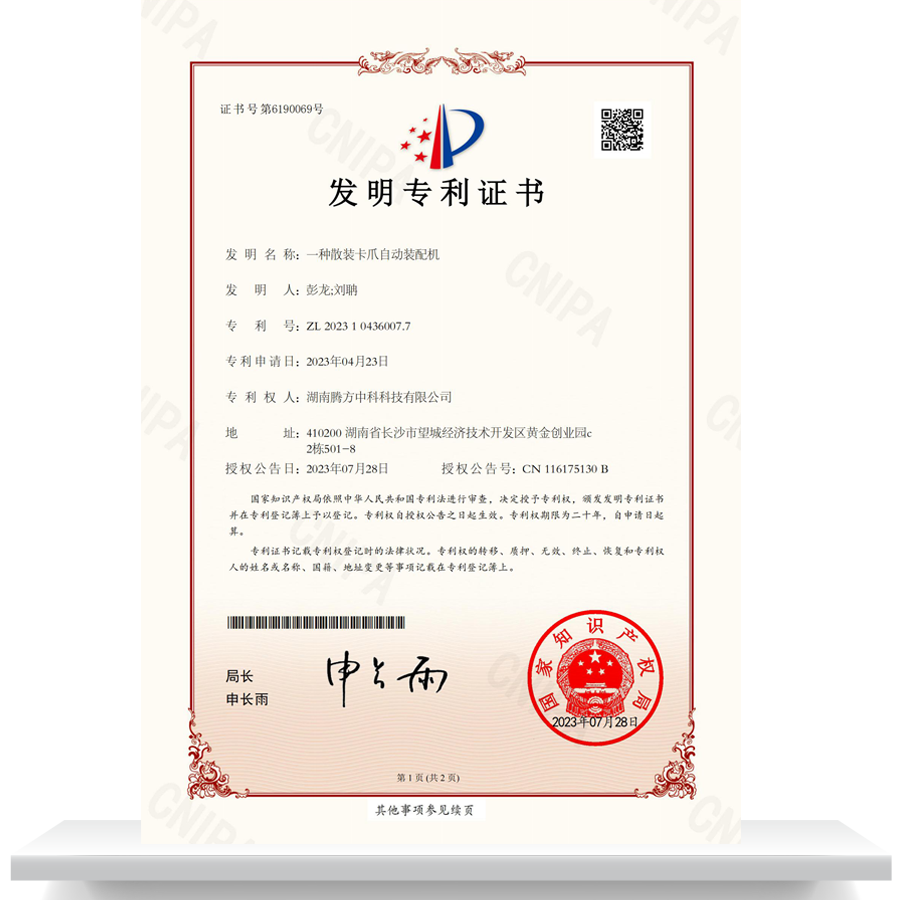
TFC has obtained National Standard (GB) Quality Management System Certification and Weapon Equipment (GJB) Quality System Certification. It has also established an independent and complete internal quality testing system. All products undergo strict full-process testing in accordance with national standards (GB) and weapon equipment standards (GJB) to ensure compliance and stability of performance.