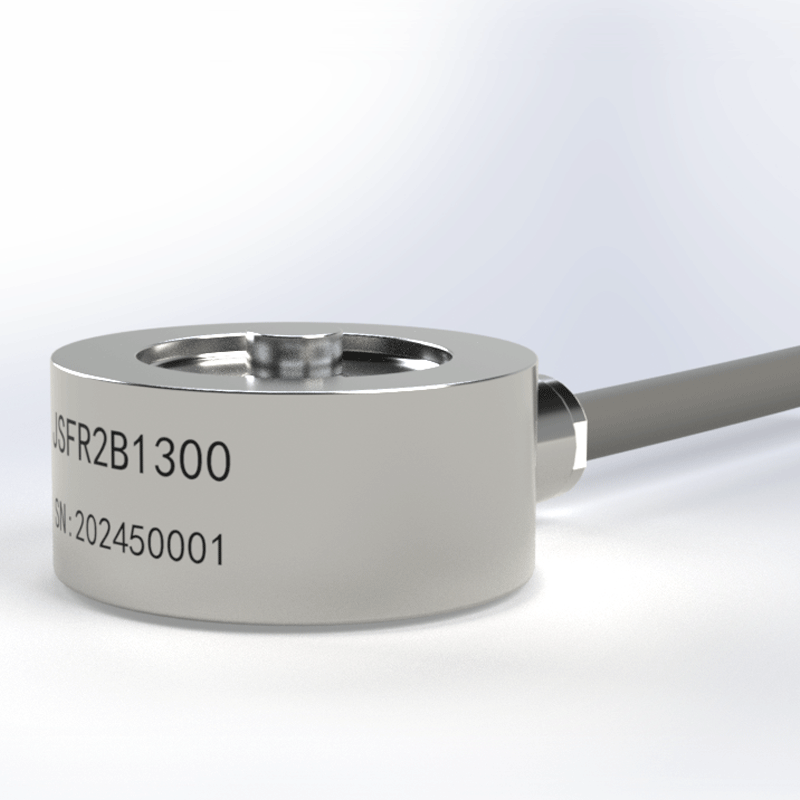
High-Precision Force Measurement for Compact Spaces
Product Overview
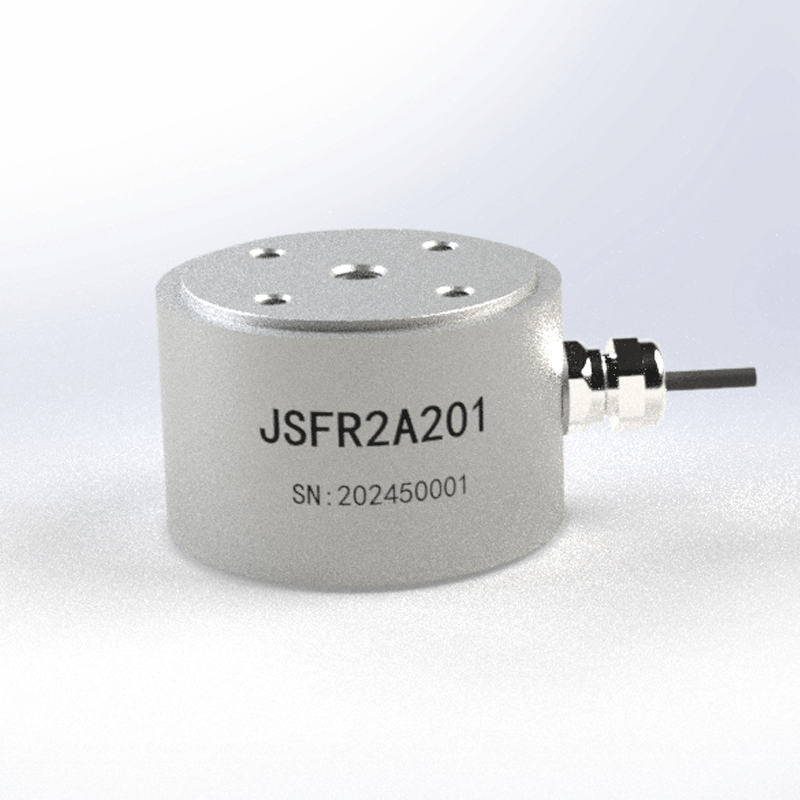
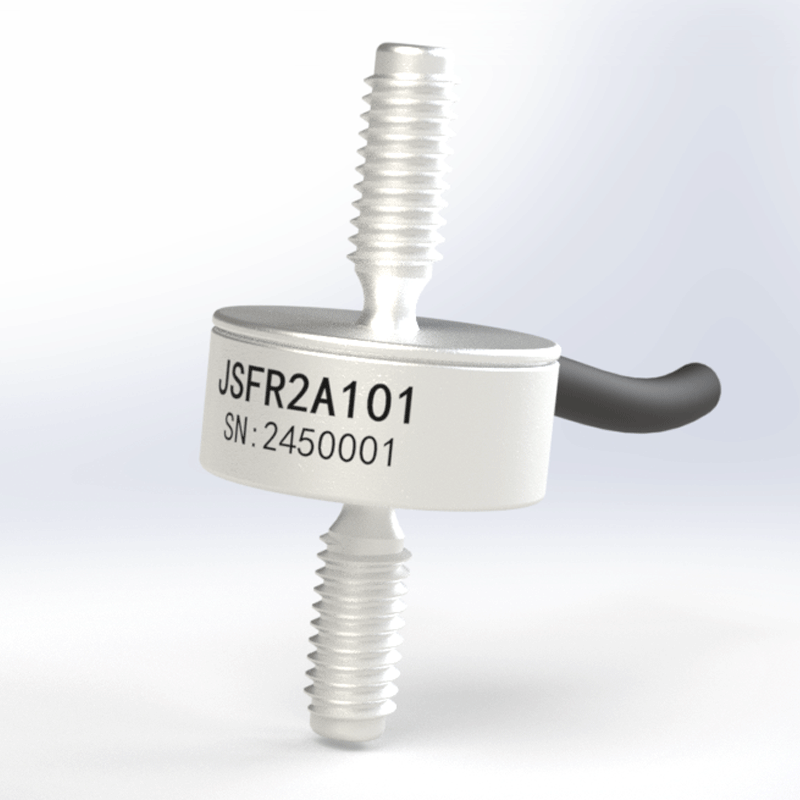
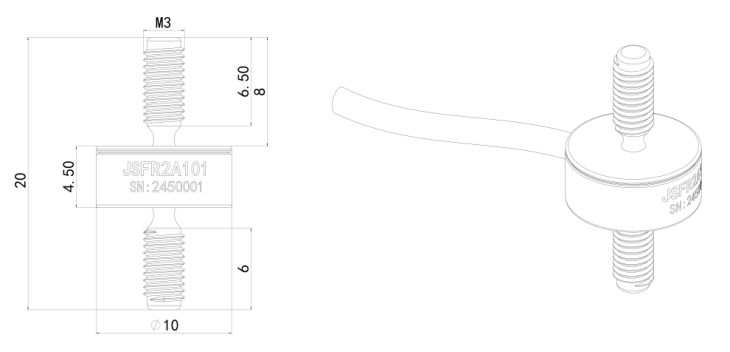
The JSFR2A1 Miniature Tension Compression Load Cell is a high-precision, super-compact force sensor designed for use in applications that require precise miniaturized force measurements in a limited space. The sensor employs silicon piezoresistive technology and is an ideal device for obtaining high accuracy and stability under load, pushing-pulling force testing, tactile key feel testing, and fatigue durability analysis. The unit has a very simple design whose dimensions are only 20x10mm and whose accuracy is better than 0.2% F.S., thus it can be easily integrated into the hardware of automated testing devices, medical instruments, and assembly of consumer electronics lines, where space and accuracy are the major constraints.
Product Dimensions
Product Electrical Interface
Wiring Color
Red
Black/Blue
Green
White
Pin Definition
Power Positive (+V)
Power Ground* (GND)
Signal Positive (+Out)
Signal Negative (-Out)
* Note: Reference ground for signal measurement
Technical Advantages
● Thanks to the sensor's size of 20x10mm, it is ultra-compact and can perfectly fit even the tiniest and most challenging to access places without any loss in performance.
● The sensor delivers <0.2% F.S. nonlinearity and hysteresis; thus, the output is trustworthy for quality control and Research & Development testing.
● The sensor barely produces a mechanical effect on the object or the test setup since it only has a very small structural intrusion. The full-scale deformation is actually less than 0.05mm.
● Since it's made of stainless steel, the sensor housing is tough and can resist corrosion, oils, and industrial pollutants.
● The user has a choice of variable force ranges from 10N to 500N at the sensor, which can basically cover all the needs, from very precise measuring of the switch actuation force to the confirmation of the strength of the mechanical components.
Core Applications
● The force of actuation and travel is measured accurately for key response testing of keypad tactile in the case of keyboards, control panels, and consumer electronics. ● The sensor tracks load cycling to achieve an understanding of the changes exhibited by components, fasteners, and assemblies due to fatigue life evaluation. ● The actuator miniature force is the main focus in the case of verification of medical devices and robotics micro-motors, solenoids, and linear actuators. ● Production lines realizing push-pull force Quality Control: The sensor finds itself in automated systems used to test the insertion force of connectors, the strength of battery latches, and mechanisms. ● Research and Development: The R&D sector gains from the material testing, micromechanics, and prototype performance evaluation data of outstanding features by means of the sensor.
Performance Specifications
Unless otherwise specified, all testing was conducted under the following conditions: 12 VDC, 25°C, 50% R.H., and 1 standard atmosphere.
No.
Parameter
JSFR2A1-10
JSFR2A1-20
JSFR2A1-50
JSFR2A1-100
JSFR2A1-200
JSFR2A1-500
Unit
1
Rated Capacity
10
20
50
100
200
500
N
2
Rated Output
1.0±0.05
mV/V
3
Zero Output
±0.05
mV/V
4
Input Resistance
1000±50
Ω
5
Output Resistance
1000±50
Ω
6
Insulation Resistance
≥5000 MΩ @ 100V DC
-
7
Excitation Voltage
2-12 (Recommended: 5)
V DC
8
Non-Linearity
< 0.2
% F.S.
9
Hysteresis
< 0.2
% F.S.
10
Repeatability
< 0.1
% F.S.
11
Combined Error
< 0.2
% F.S.
12
Full-Scale Deflection
< 0.05
mm
13
Natural Frequency
> 10
kHz
14
Safe Overload
150
% F.S.
15
Ingress Protection
IP68
-
16
Housing Material
Stainless Steel
-
17
Operating Temperature
-40 to +120
°C
FAQ
1. What makes this sensor the right tool for key feel testing? Because of its very small size of 20x10mm and wide frequency response of 10kHz, the sensor can accurately measure the short-stroke tactile feedback and fast changes in force during keyboard and button testing. 2. Is this sensor able to detect a change in both tension and compression? Yes, as a bi-directional measuring instrument, it is capable of detecting both pulling and pushing forces in a range of 10N to 500N and is able to maintain an accuracy of 0.2% FS throughout. 3. Why is the <0.05mm full-scale deflection so advantageous? Deflection being small will result in less force; thus, it will be particularly beneficial for those operations like micro-switch testing and precise assembly, where the need for great accuracy and minimal system disturbance is essential. 4. How do you determine the most appropriate capacity for your application? One way to think about it is to first consider the maximum force. For example, 10-50N would be enough for very gentle key/button testing, 100-200N could be used for normal push-pull tests, and 500N is for heavy-duty mechanical testing. 5. What makes IP68 protection a critical feature for this sensor? An IP68 sensor does not lose its functionality even if it is exposed to harsh situations like water, dust, or sensor cleaning. Hence, it is an excellent choice for use in industrial and laboratory environments.
TFC was founded in 2015, with its headquarters located in Changsha, Hunan. It has a standardized workshop of over 6,000 square meters and takes "Making every connection more reliable, making every piece of data more accurate" as its guiding principle, dedicated to providing customers with high-performance component products and solutions. The company has three business divisions: Instrumentation, Connectors, and Sensors. It is a national high-tech enterprise integrating R&D, production, testing, and sales, covering technologies such as signal connection technology, signal conditioning technology, signal switching technology, and signal detection technology.
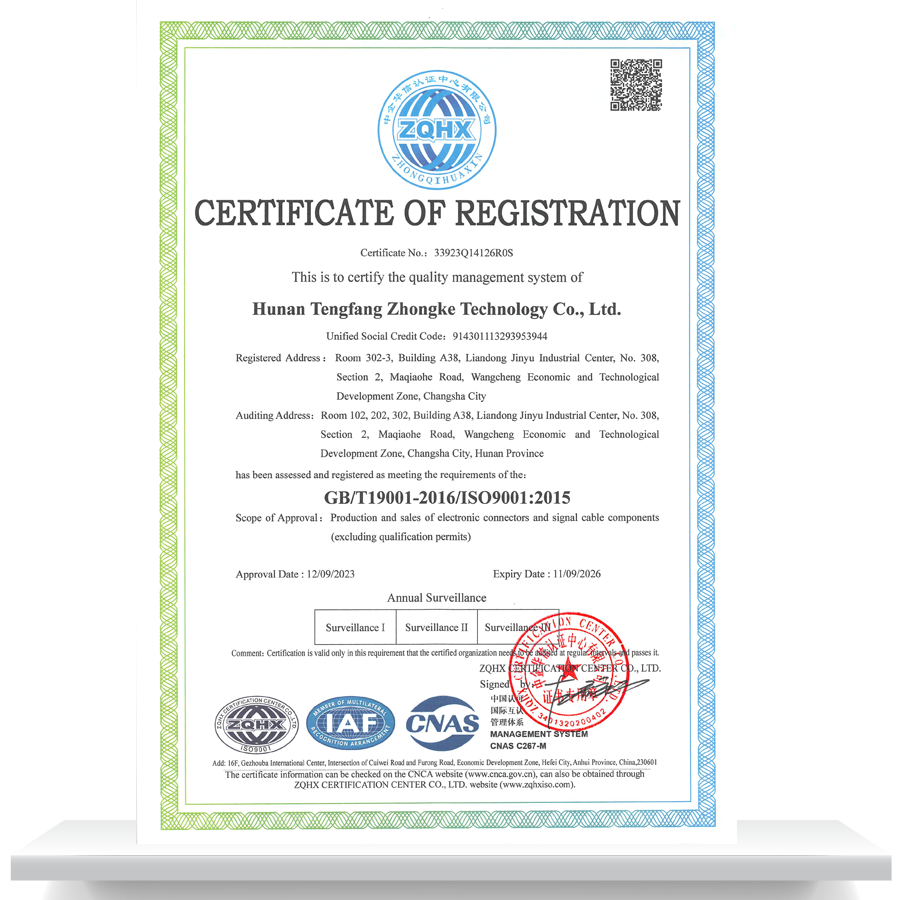
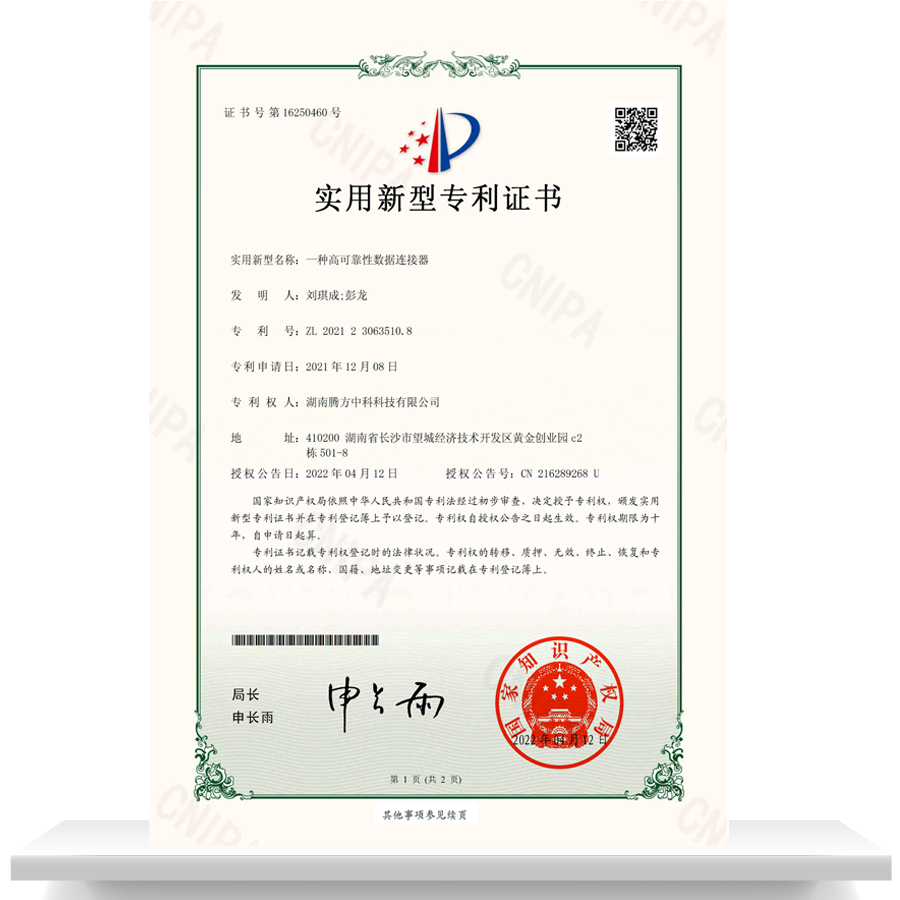
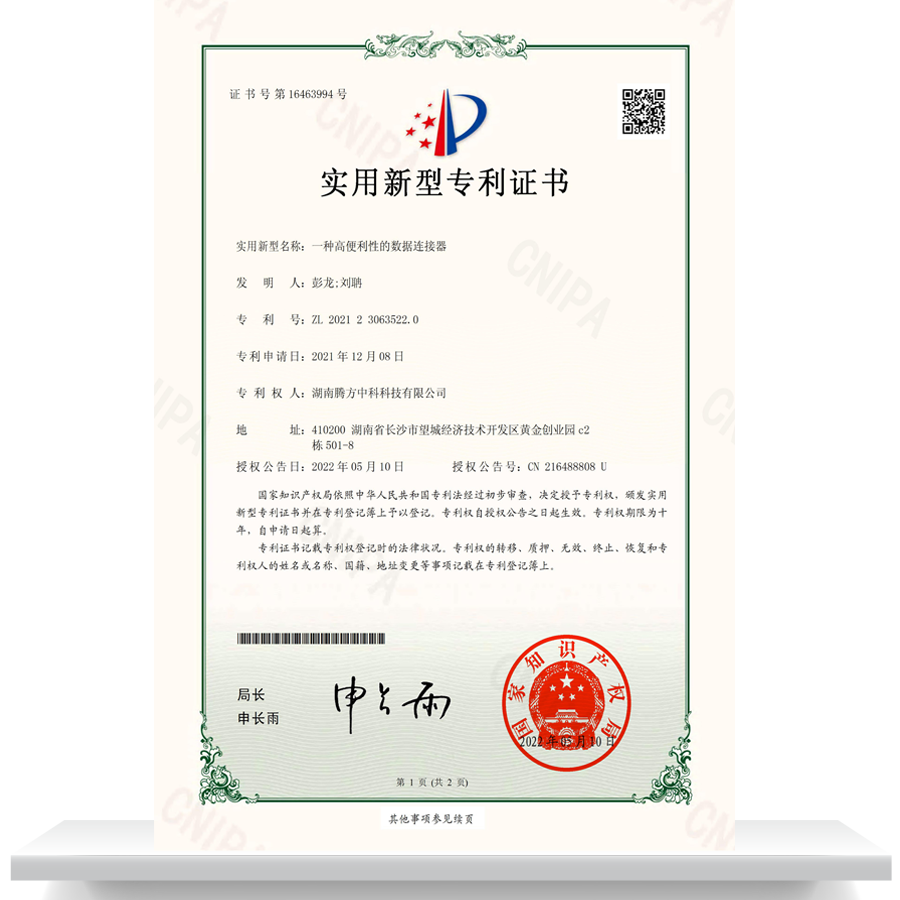
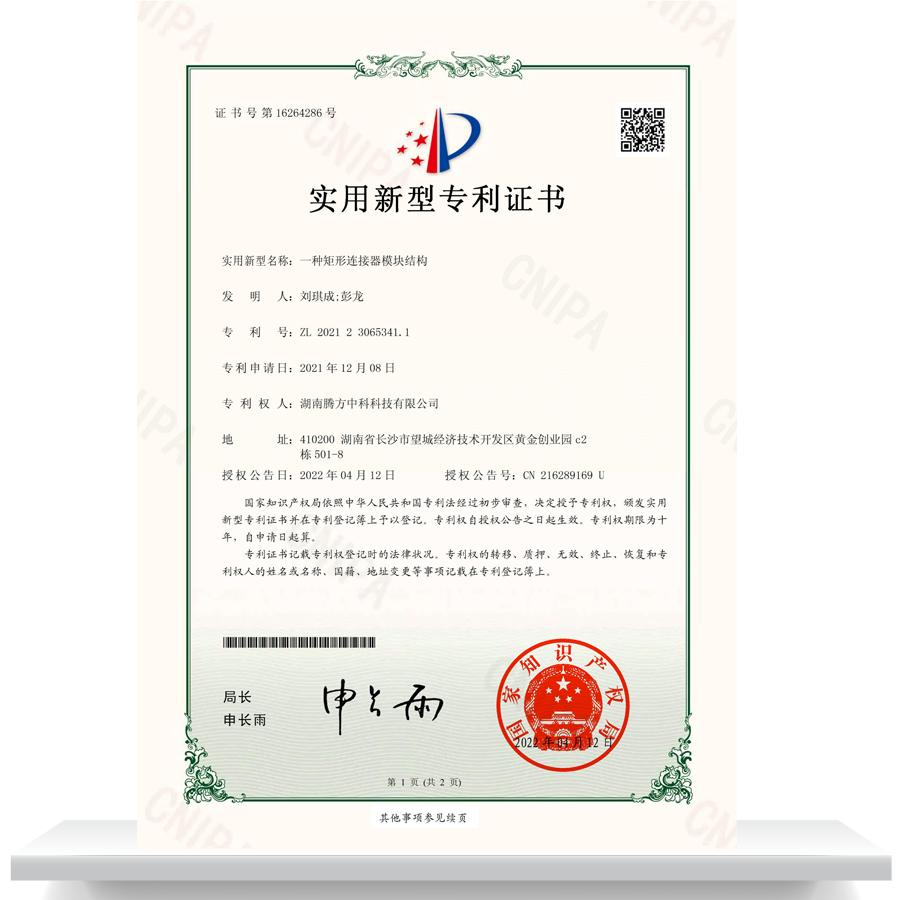
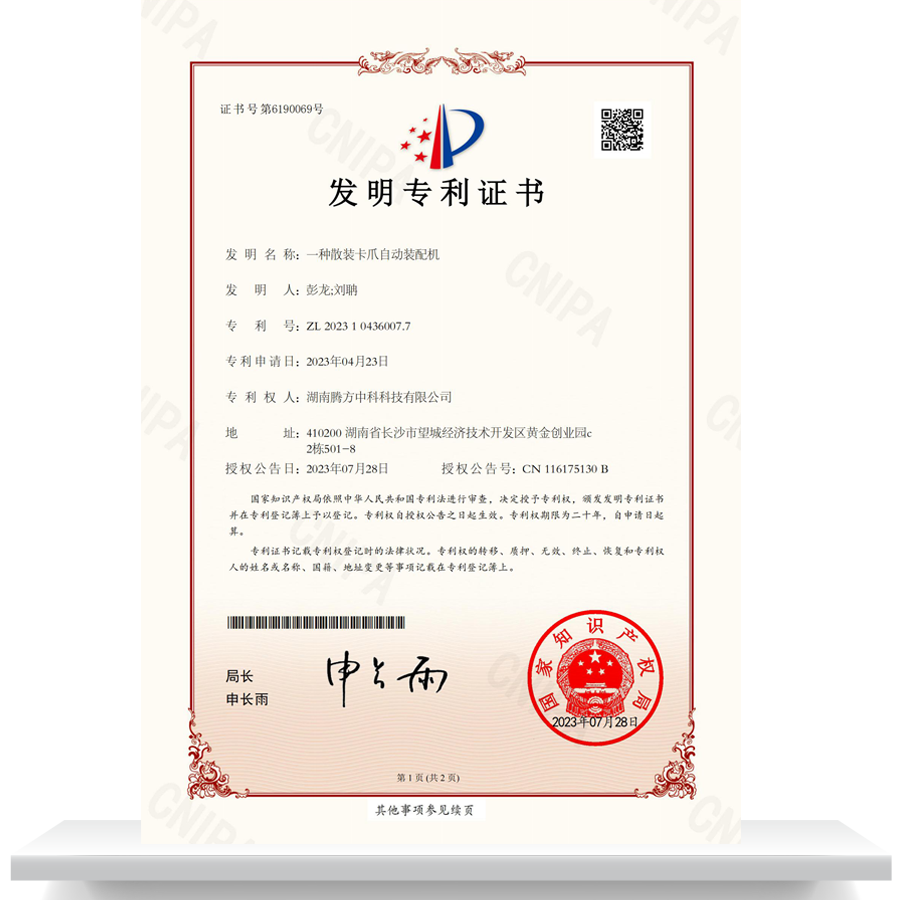
TFC has obtained National Standard (GB) Quality Management System Certification and Weapon Equipment (GJB) Quality System Certification. It has also established an independent and complete internal quality testing system. All products undergo strict full-process testing in accordance with national standards (GB) and weapon equipment standards (GJB) to ensure compliance and stability of performance.