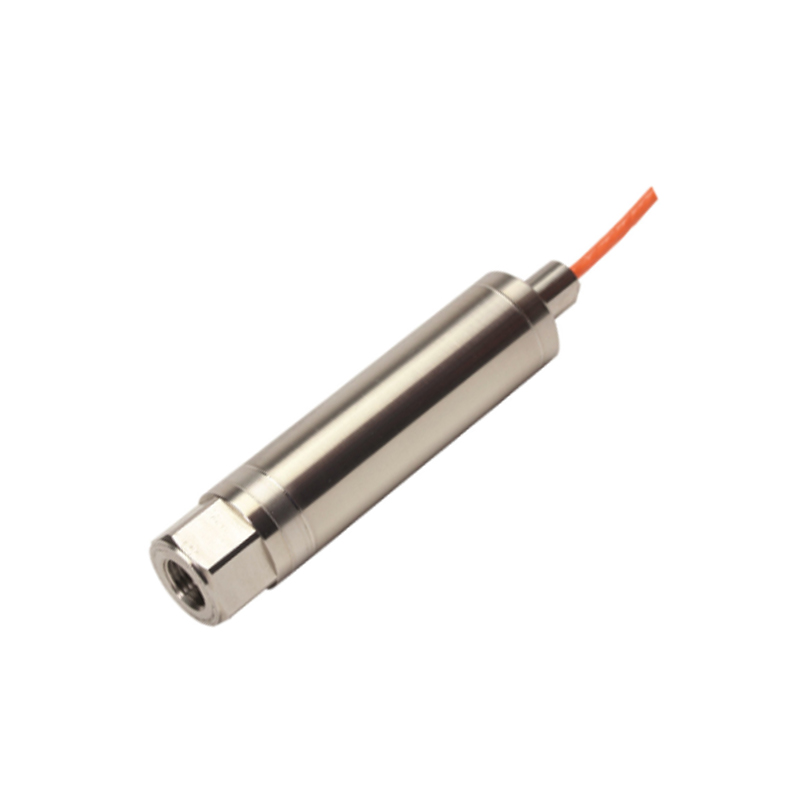
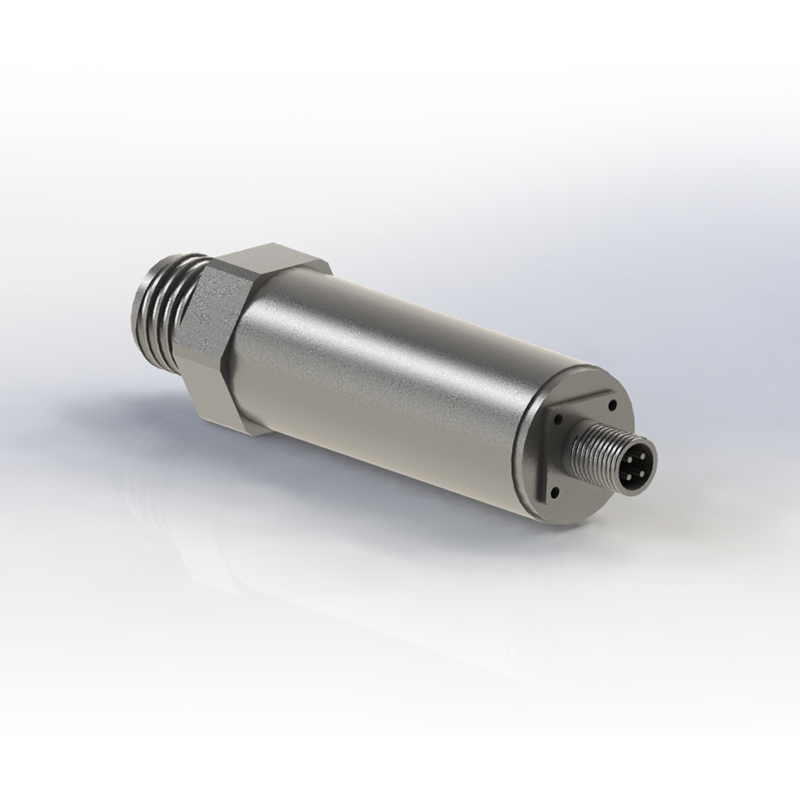
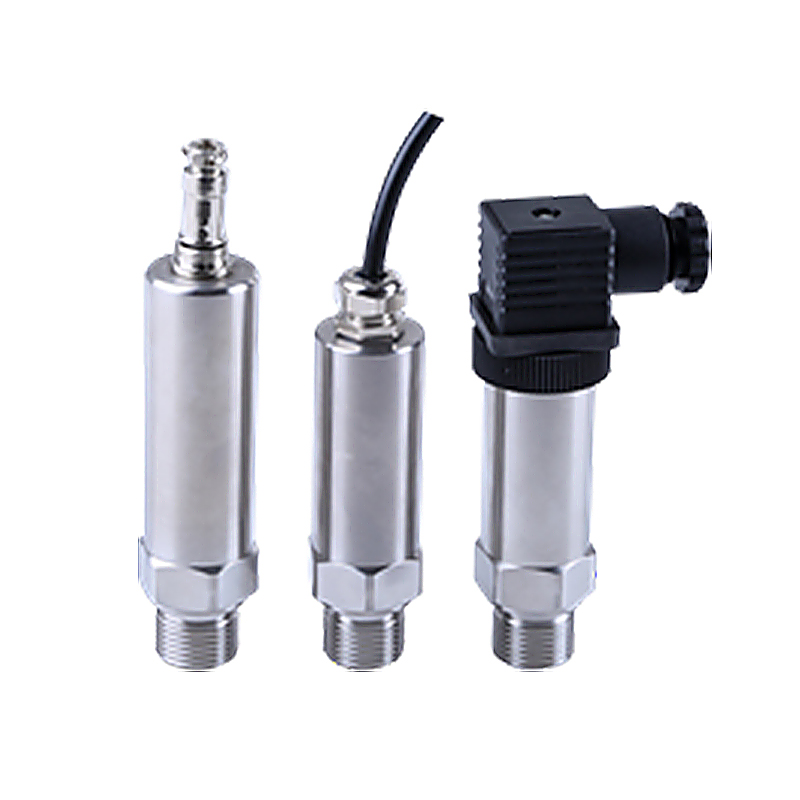
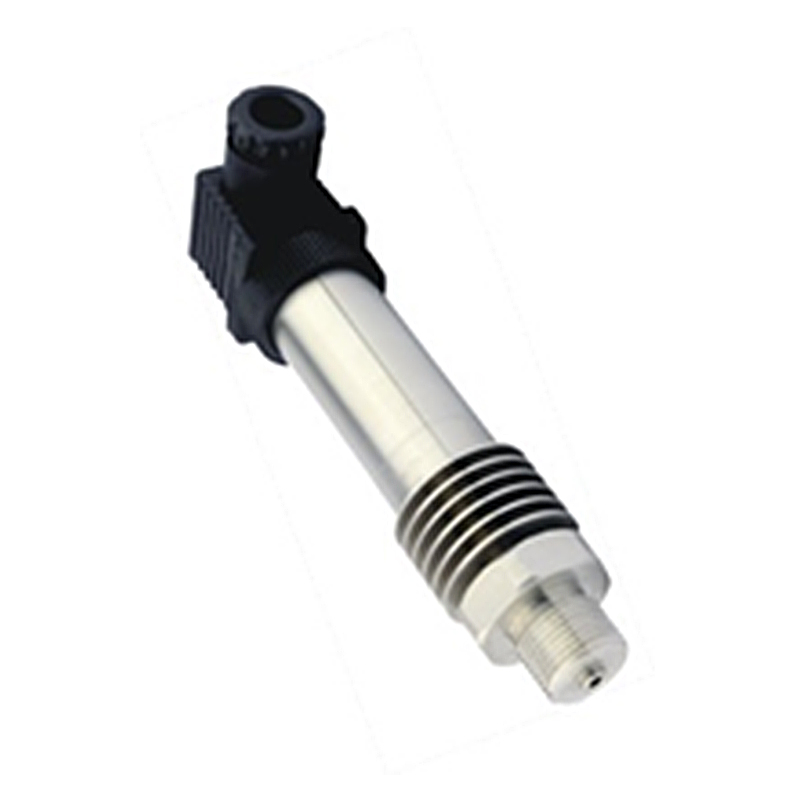
The JSPR90 is a high-frequency MEMS pressure sensor designed for dynamic pressure measurements in explosive & shock wave testing. It can tolerate a 150% FS overload and has a drift of ±0.2%, thus making it extremely suitable for blast wave & combustion pressure measurement. Custom solutions are available.
Measured Media: Gases, Liquids, and Other Fluids
Overload Capacity: Up to 150% of Full Scale
Long-Term Stability: ±0.2% of Full Scale / Year
Measuring Range: Pickable from -100 kPa to 100 MPa
Sensing Technology: Piezoresistive
Pressure Reference: Gauge, Absolute, and Negative Pressure (Vacuum)
JSPR90: High Frequency Dynamic Pressure Sensor Suitable for Harsh Environments JSPR90 is the most advanced MEMS piezoresistive sensor in the market that can track extremely fast pressure occurrences. This top-notch high-frequency sensor carries out dynamic pressure measurement with matchless precision even under the most extreme conditions like shock wave testing, burning analysis, and blast wave detection. Thanks to the rugged construction, it can be counted on as a military-grade pressure transducer that meets the highest specifications for near-field detonation experiments.
Excellent Dynamic Response: The very short rise time of the sensor, coupled with a wide frequency range, allows obtaining the output of the rapid pressure transient with zero distortion. It is the ultimate answer to the need for very fast pressure detection.
Engineered for Difficult Conditions: The high overload capacity of 150% FS and amazing long-term stability of a pressure sensor guarantee that it will go to function even if it has been exposed to tough conditions. Adaptive Sensing Products: We take pride in delivering customizable pressure sensors. Please feel free to reach out to us if you want to change the range, output, and form factor according to your use case.
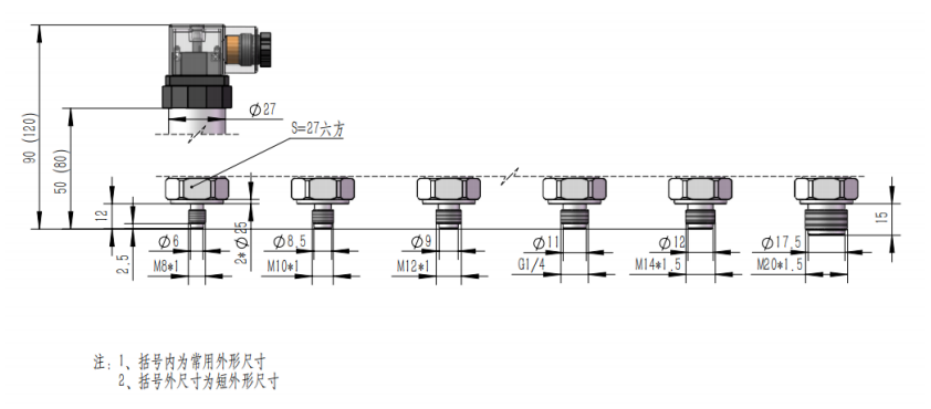
Product Dimensions
Performance Specifications
The JSPR90 sensor key performance specifications are listed as below.
Unless otherwise specified, all testing was conducted under the following conditions: 12 VDC, 25°C, 50% R.H., and 1 standard atmosphere.
NO.
Technical Parameter
Specification
1
Measuring Range
-100kPa -- 1kPa, 0kPa -- 10kPa -- 100MPa
2
Proof Pressure
≤1.5 x Full Scale Pressure or 110MPa (whichever is lower)
1. Q: What characteristics define a high-dynamic sensor? A: A sensor that can be categorized as high dynamic is one that has an extremely fast rise time is less than 10μs, and a natural frequency anywhere in the range of 200kHz-2MHz. Thanks to these features, it is capable of measuring very fast pressure changes such as shockwaves and blasts that are almost invisible to normal sensors. 2. Q: What sort of applications can a sensor with such a high frequency response be required for? These sensors have been brought into existence for the purpose of measuring blast pressure waves, infantry ballistic tests, investigating combustion instabilities, and so forth, when working with shock waves on the order of microseconds, as military standard detonating tests can show. 3. Q: Is there any particular reason why the sensor series always calls for tailor-made designs? Extreme high dynamics events are extremely violent in nature, so in each case, for example, the differences in terms of mounting geometry, frequency response, and cooling features (up to 350°C with water cooling) mean that these have to be precisely tailored so as to avoid signal distortion. 4. Q: Does a flush diaphragm have any advantage over other types? Basically, what is being done here is the elimination of the "pipe cavity effect", a well-known phenomenon that does not resonate with high-frequency pressure waveforms at all; thus, now it is possible to measure pressure waveforms that are completely free from artifacts caused by resonance and are of high fidelity without any compromise in the result. 5. Q: If there are three bandwidth options available (3kHz-200kHz), how do I find the right one? The text above suggests that the decision should be based on your event duration: 200kHz for microsecond explosions, 20kHz, which covers most of combustion scenarios, and 3kHz for hydraulic transients that are slower. The bigger the bandwidth the more accurate the event depiction is, however, it also means that the data acquisition system has to make significant compromises.
TFC was founded in 2015, with its headquarters located in Changsha, Hunan. It has a standardized workshop of over 6,000 square meters and takes "Making every connection more reliable, making every piece of data more accurate" as its guiding principle, dedicated to providing customers with high-performance component products and solutions. The company has three business divisions: Instrumentation, Connectors, and Sensors. It is a national high-tech enterprise integrating R&D, production, testing, and sales, covering technologies such as signal connection technology, signal conditioning technology, signal switching technology, and signal detection technology.
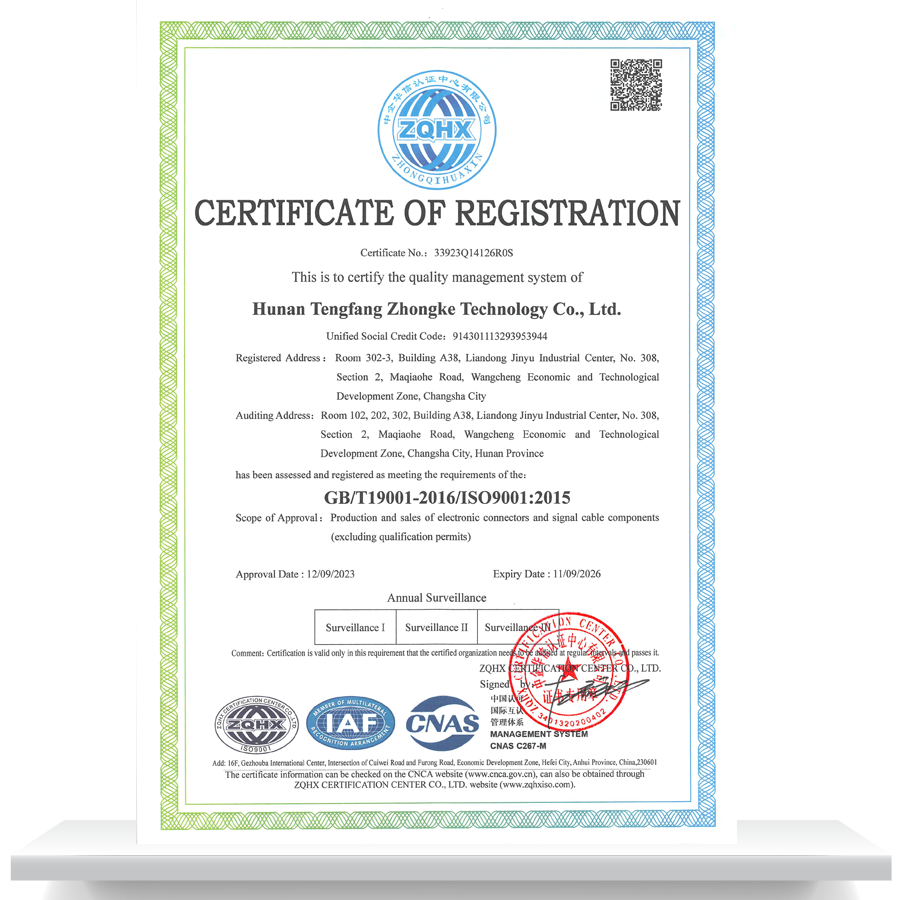
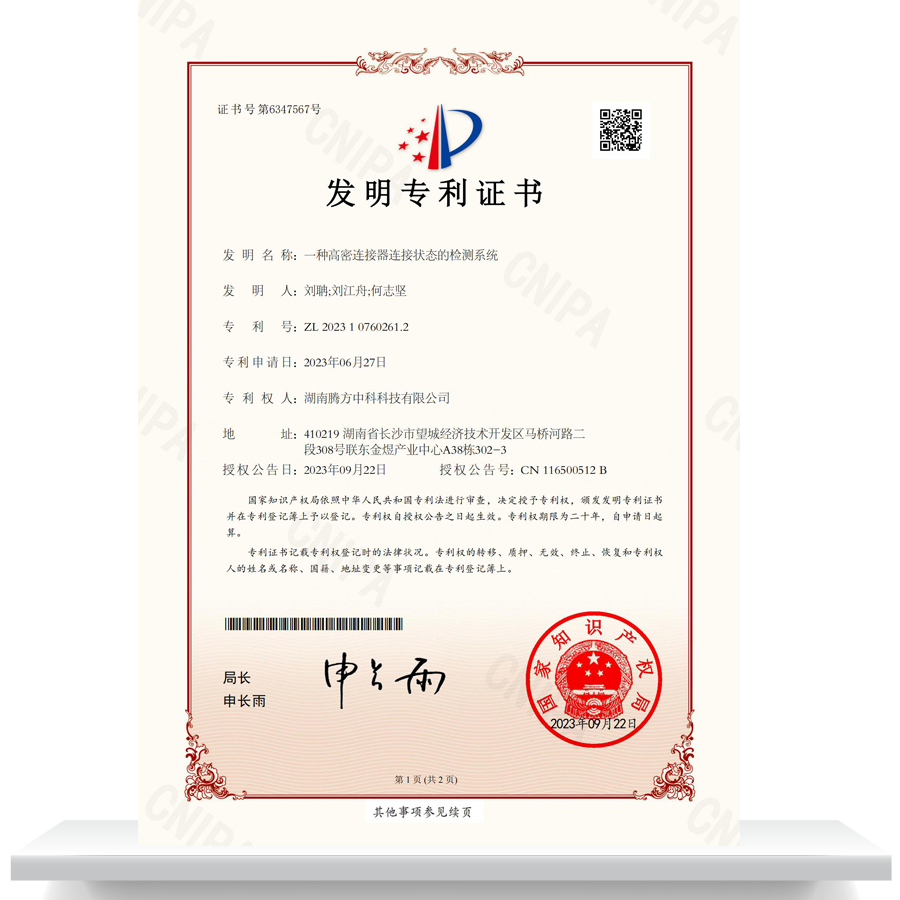
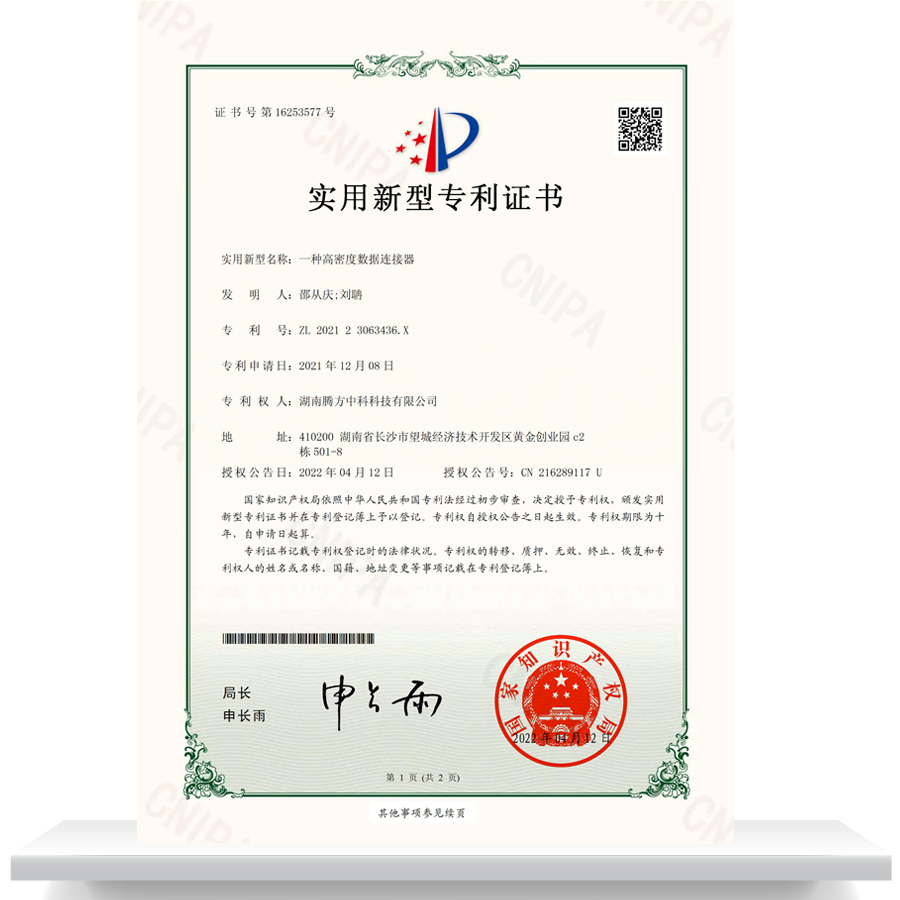
TFC has obtained National Standard (GB) Quality Management System Certification and Weapon Equipment (GJB) Quality System Certification. It has also established an independent and complete internal quality testing system. All products undergo strict full-process testing in accordance with national standards (GB) and weapon equipment standards (GJB) to ensure compliance and stability of performance.