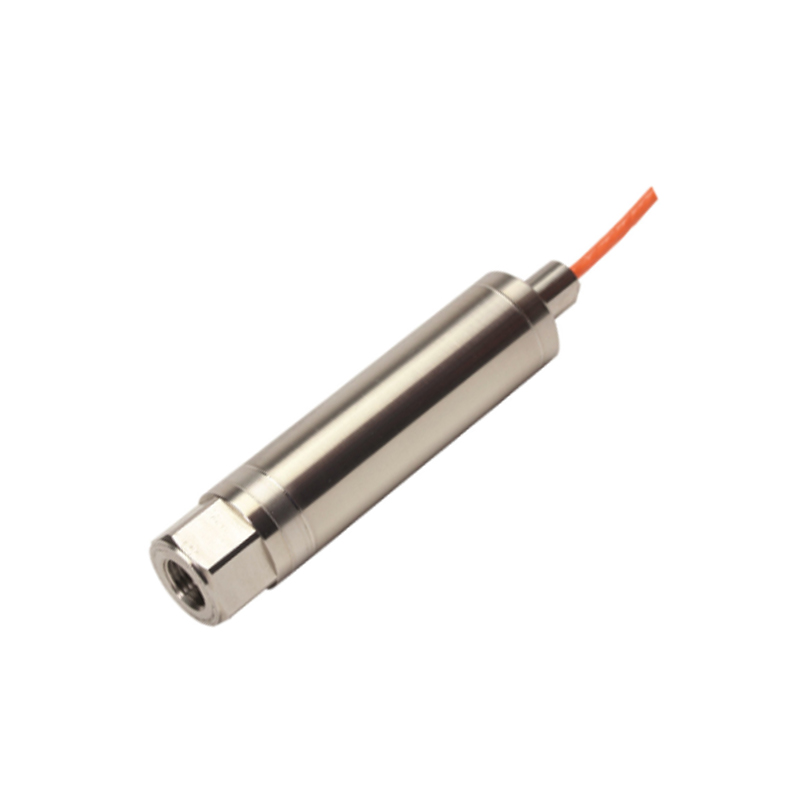
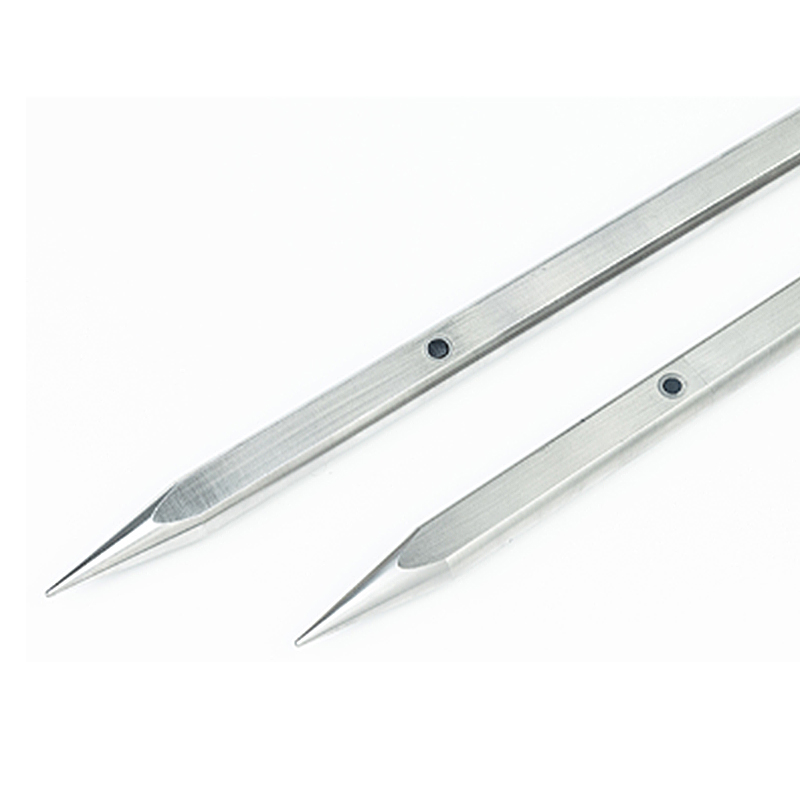
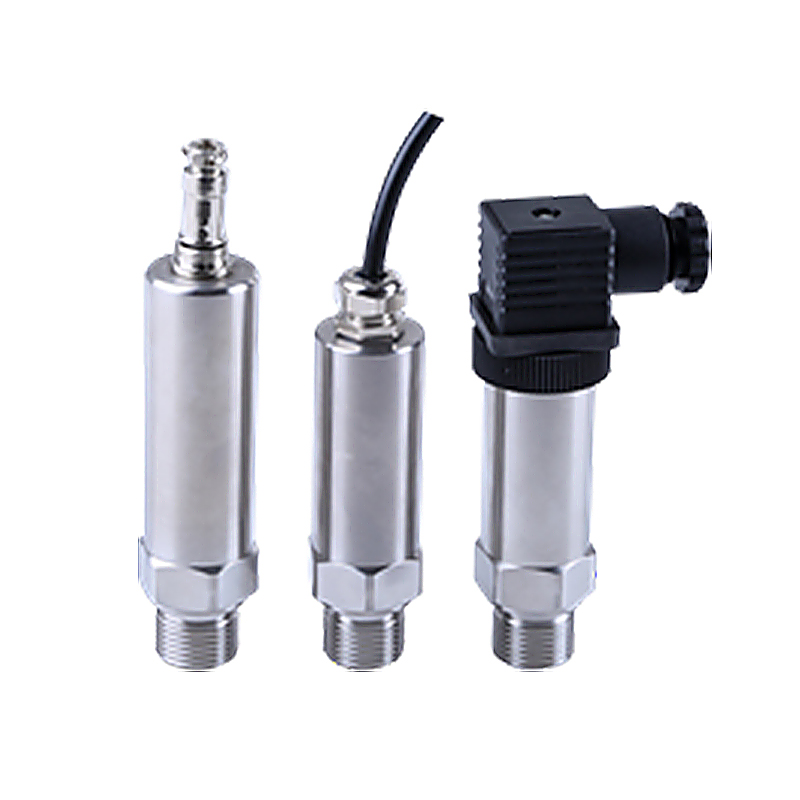
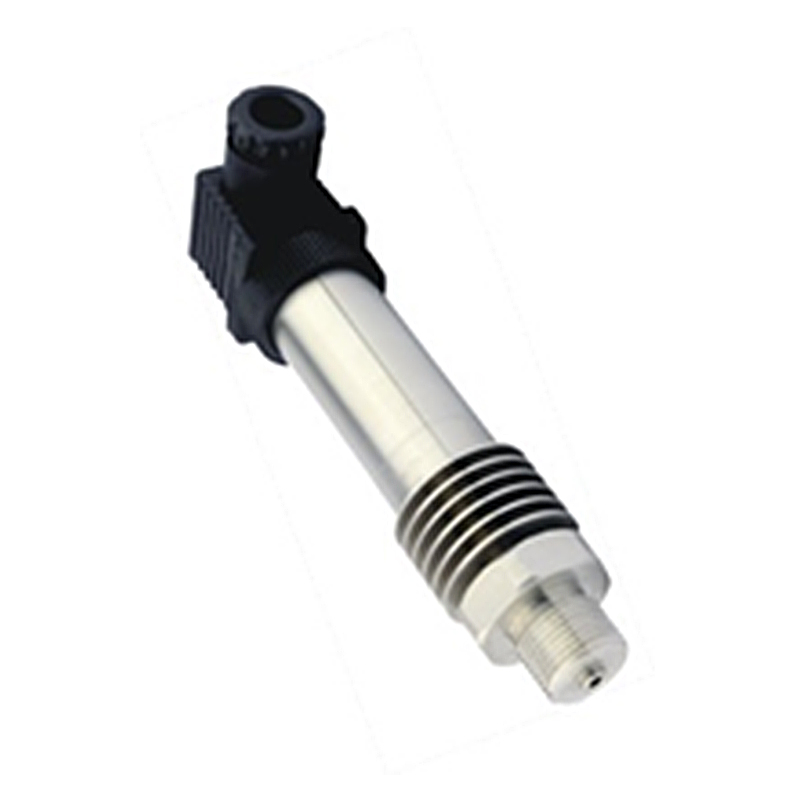
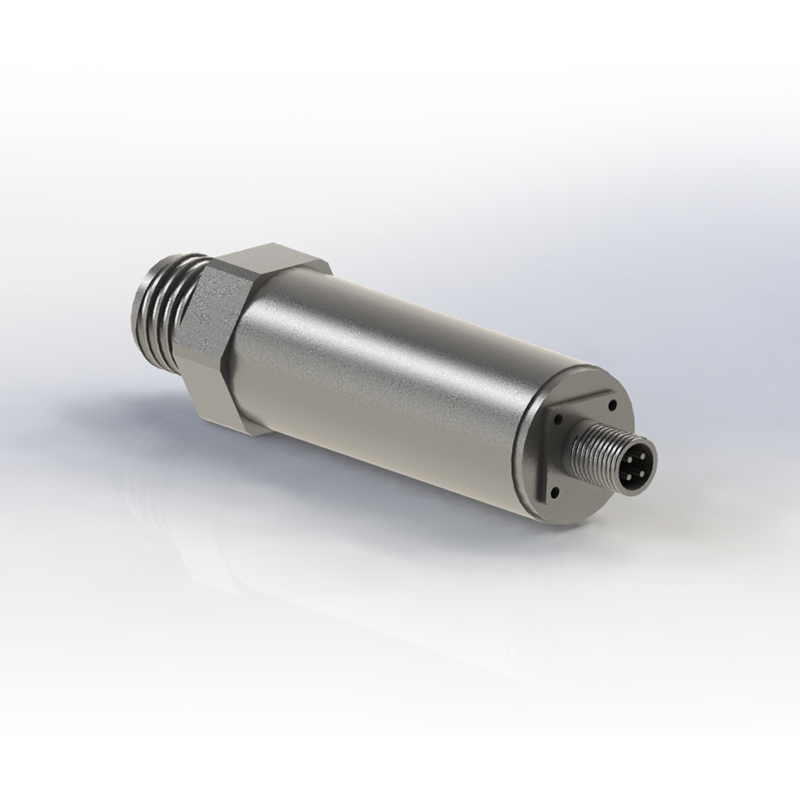
The JSPR91 Pencil-Type Free-Field Blast Pressure Sensor is a top-notch high-frequency dynamic pressure sensor extensively designed for blast mechanics tests and shock wave measurement. It adopts advanced MEMS piezoresistive technology, thus combining the high-frequency characteristics of piezoelectric sensors with DC-response capability, and this makes it perfect for explosion blast wave measurement and ballistic pressure testing.
Technical Advantages
● From DC to High Frequency Response: As it is based on piezoresistive sensing technology, the sensor is capable of providing accurate measurements starting from static pressure all the way to high-frequency dynamic pressure events ● Sub-microsecond Response: The rise time <1μs guarantees very accurate capturing of shock wave pressure transient waveforms ● Optimized Structural Design: The smooth non-reflective外形and the locally flush-mounted structure are the main reasons for minimizing the flow field disturbance ● Improved Environmental Capability: For a double-shielded cable, the anti-optical interference design and the IP67 protection rating are proof that the sensor is geared for tough testing environments ● High-Temperature Resistance: It is able to withstand extremely high thermal shocks up to 2000°C/20ms under special circumstances
Core Applications
● Explosion blast wave measurement and free-field pressure monitoring ● Weapons development and ballistic pressure testing ● Blast mechanics experiments and safety assessment ● Aerospace propulsion system monitoring ● Industrial safety and protection equipment verification
Professional Services
Our sensor solutions are tailor-made to offer you adjustable specifications and form factors that meet your specific testing needs. Our technical team will be there for you all along the way from sensor selection to the interpretation of the data.
Performance Specifications
The key performance specifications of JSPR91 Pencil-Type Free-Field Blast Pressure Sensorare listed as below.
Unless otherwise specified, all testing was conducted under the following conditions: 12 VDC, 25°C, 50% R.H., and 1 standard atmosphere.
NO.
Technical Parameter
Specification
1
Range
0kPa --- 200kPa --- 1MPa --- 60MPa
2
Overpressure
≤1.5 x Full Scale or 110MPa (whichever is lower)
3
Pressure Type
Gauge Pressure
4
Accuracy
±0.1%FS, ±0.25%FS, ±0.5%FS
5
Measuring Medium
Gas
6
Long-Term Stability
≤±0.2%FS/Year (max.)
7
Zero Temperature Error
≤±0.03%FS/°C (≤100kPa);
8
≤±0.02%FS/°C (>100kPa)
9
Full Scale Temperature Error
≤±0.03%FS/°C (≤100kPa);
10
≤±0.02%FS/°C (>100kPa)
11
Compensated Temperature
-10°C ~ +60°C
12
Operating Temperature
-40°C ~ +80°C
13
Rise Time
<10 μs
14
Sensor Natural Frequency
200kHz ~ 700kHz,
15
500kHz ~ 1MHz,
16
1MHz ~ 2MHz
17
Transmitter Bandwidth
0 ~ 3kHz, 0 ~ 20kHz, 0 ~ 200kHz
18
Resolution
1/100,000 (default)
19
Power Supply
+9VDC ~ +36VDC (Other options available, see selection guide)
20
Output Signal
0.5V to 4.5V (Other options available, see selection guide)
21
Protection Rating
IP65, IP67, IP68
22
Electrical Connection
Hirschmann Connector, Aviation Connector, Integral Cable
23
Housing Material
Stainless Steel 1Cr18Ni9Ti
FAQ
1. Q: What does the "free-field" blast sensor mean, and why is the pencil shape essential? A: It checks for the presence of shockwaves that have no interaction with other surfaces other than the shockwave itself. The sensor with the pencil shape is a well-known type where reflections are minimized by the smooth surface, so that the sensor can give the truth of the incident wave without the influence of reflected ones. 2. Q: What is the reason that the sensor is working from DC to high frequency, while piezoelectric sensors don't? A: Since the sensor is a piezoresistive type, it is able to detect static pressure changes (0 Hz) and yet have microsecond-level rise times (<10μs). In other words, it can register the gradual pressure decay as well as the very fast shock front, which piezoelectric sensors are not capable of doing. 3. Q: For what kind of applications is the 2000°C/20ms high-temperature capability required? A: This is a crucial issue in the work of very close-proximity blast measurement and in the study of explosive fireballs when the sensor faces very extreme thermal transients, and yet, pressure data must be accurate. 4. Q: What is the reason that I should select a particular bandwidth option for blast measurement from several options (3kHz-200kHz)? A: Usually, a 200kHz bandwidth is sufficient for a blast application engineer to fully capture the sharp shock front or wave head (approximately 1-50 microseconds), which results in peak overpressure measurement with great accuracy. Moreover, the signals of such amplitude have relatively high electromag nitic immunity, making them much less susceptible to the electromagnetic interference of the blast environment than low-level signals, and therefore, clean data can be guaranteed even in electrically noisy conditions. 5. Q: What is the reason that the integrated amplifier is essential for blast testing? A: The built-in amplifier is needless to say that the sensor it is capable of supporting high-level 0-5V/0-10V output signal gets a guarantee from the side of the sensor sensor.
TFC was founded in 2015, with its headquarters located in Changsha, Hunan. It has a standardized workshop of over 6,000 square meters and takes "Making every connection more reliable, making every piece of data more accurate" as its guiding principle, dedicated to providing customers with high-performance component products and solutions. The company has three business divisions: Instrumentation, Connectors, and Sensors. It is a national high-tech enterprise integrating R&D, production, testing, and sales, covering technologies such as signal connection technology, signal conditioning technology, signal switching technology, and signal detection technology.
TFC has obtained National Standard (GB) Quality Management System Certification and Weapon Equipment (GJB) Quality System Certification. It has also established an independent and complete internal quality testing system. All products undergo strict full-process testing in accordance with national standards (GB) and weapon equipment standards (GJB) to ensure compliance and stability of performance.