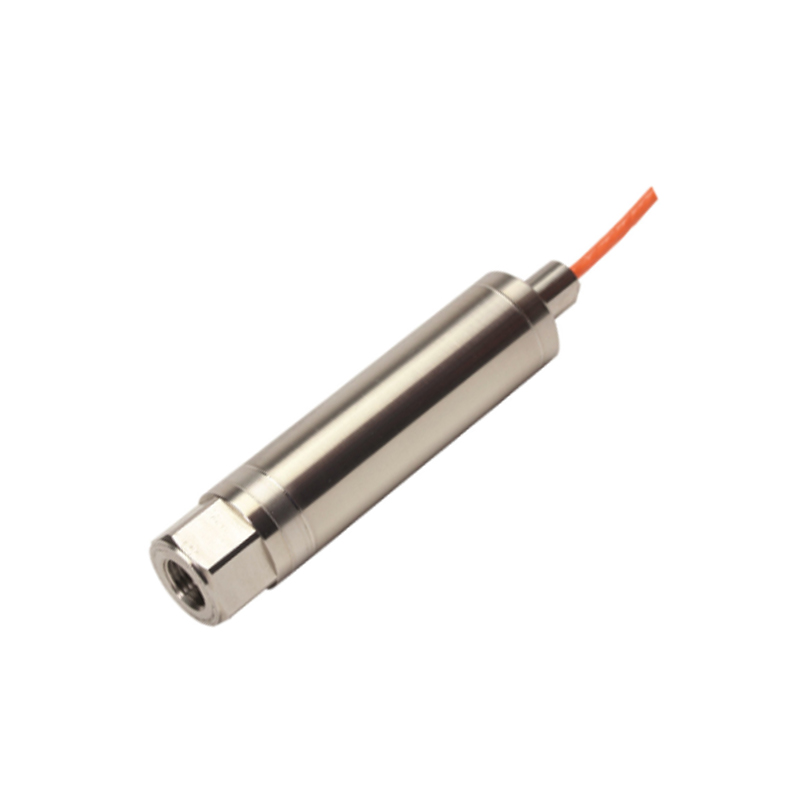
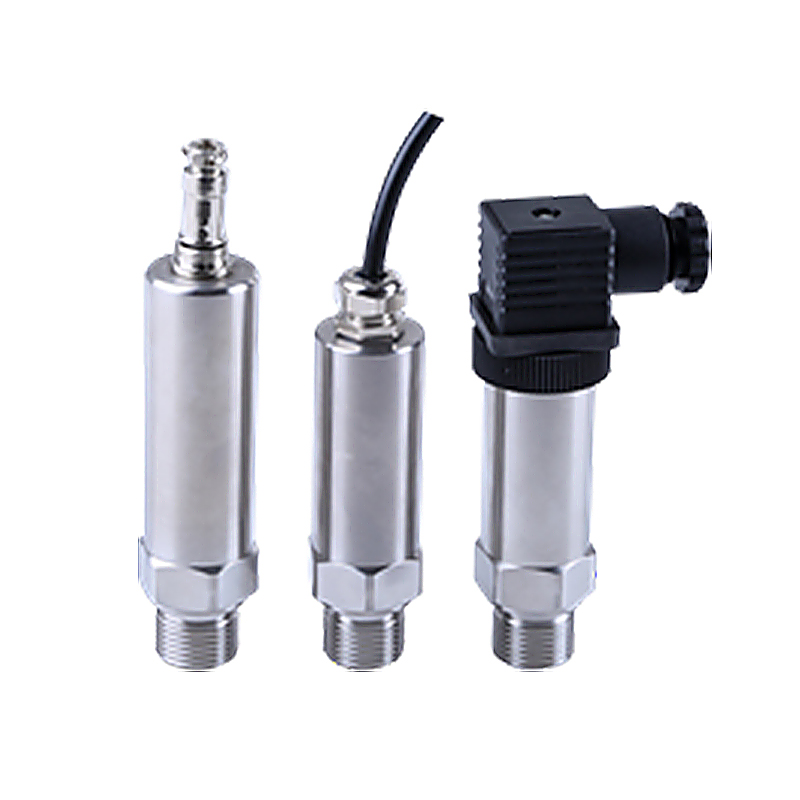
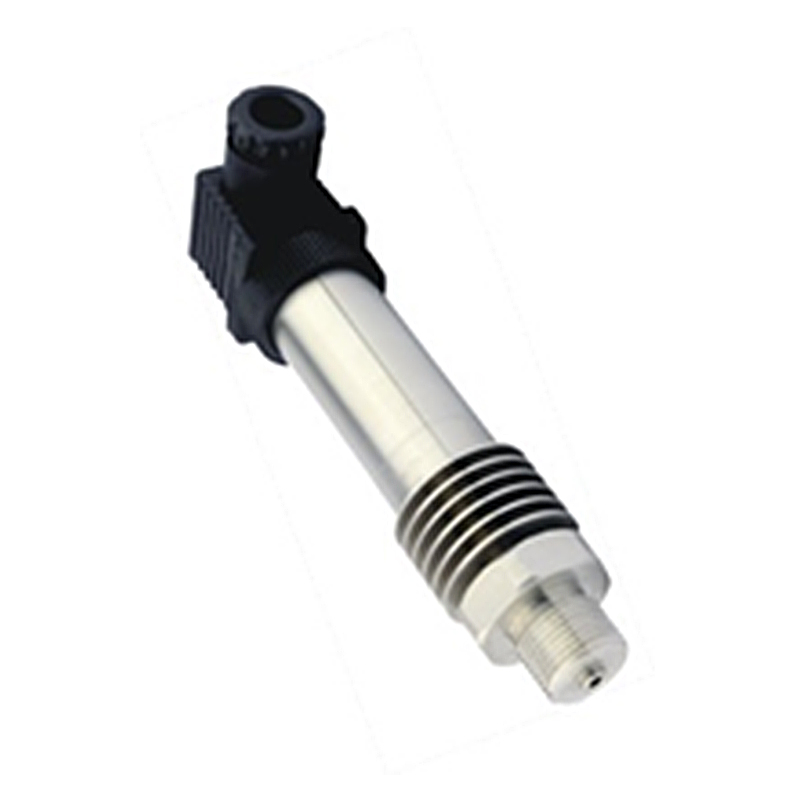
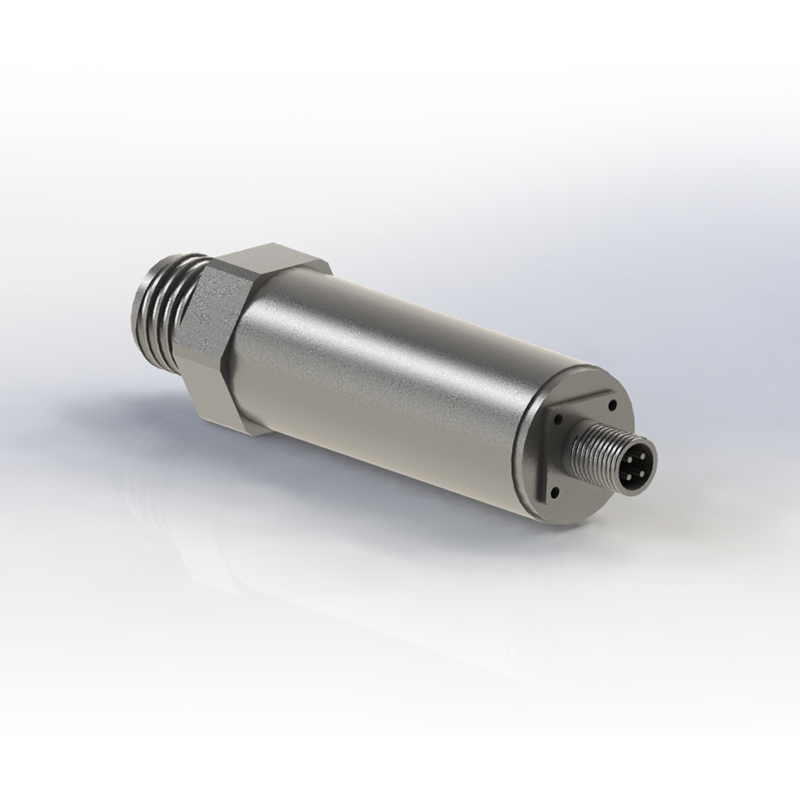
JSPR20 Industrial Pressure Sensor: The piezoresistive pressure sensor with a 200% FS overpressure capability.
The JSPR20 pressure sensor is a rugged stainless steel pressure transmitter that can cope with harsh environments. It is a perfect device for any high-performance piezoresistive sensor in combination with a dedicated ASIC for a long-term stability of ±0.3% FS/Year. This industrial pressure sensor is one of the perfect solutions for industrial process control, hydraulics, and pneumatics systems. It is a very durable and accurate tool for such industries as oil & gas and automotive testing.
Key Features & Specifications
● Proven in Demanding Applications: JSPR20 is a reliable performer in harsh environments, whether it is a hydraulic pressure sensor in a factory or a transmitter in a pneumatic system.
● Built to Endure: Six characters, housing, and technology remind your operations safe from pressure spikes of 200% FS Overload.
● Configuration Flexibility: Choose from Gauge, Absolute, and Sealed Gauge models within a programmable pressure range of -100 kPa to 100 MPa.
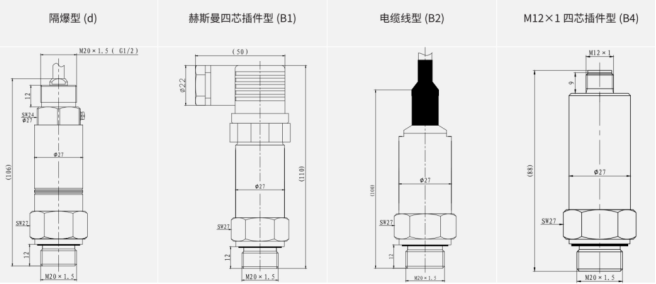
Product Dimensions
Product Electrical Interface
Connector Pin Definitions
Function
Hirschmann 4-Pin Connector
Cable Conductor
M12×1 4-Pin Connector
Electricity/ 2-Wire
Power /3-Wire
Electricity/ 2-Wire
Power /3-Wire
Electricity/ 2-Wire
Power /3-Wire
Power Positive (+V)
1
1
Red
Red
1
1
Output Positive (+OUT)
2
3
Black
White
3
3
GND
N/C
2
N/C
Black
N/C
2
Performance Specifications
The JSPR20 Pressure Transmitter is a robust stainless steel pressure transmitter. Its key performance specifications are listed as below.
Unless otherwise specified, all testing was conducted under the following conditions: 12 VDC, 25°C, 50% R.H., and 1 standard atmosphere.
Typical Performance Specifications
NO.
PERFORMANCE
SPECIFICATION
1
Measuring Range
-100kPa...0kPa ~ 10kPa...100MPa
2
Overload Pressure
≤ 2 x Full Scale Pressure or 110MPa (whichever is lower)
1. Q: What does the 200% overpressure capability mean for the application that I have?
A: It causes the most serious possible damage when pressure spikes occur, which is critical in protecting hydraulic systems, pump testing, and other operations where pressure surges that slightly exceed the nominal range might sometimes happen, and thus damage to sensors does not occur.
2. Q: Since the sensor features long-term stability of ±0.3%FS/year, does it require frequent recalibration?
A: Thanks to such excellent stability, the recalibration intervals can be significantly extended, typically up to 12 to 24 months in most industrial applications; thus, the maintenance costs and downtime are reduced, and measurement accuracy is at a constant level.
3. Q: What output format is better for a long-distance transmission in a noisy location?
A: Two-wire 4-20mA is the best output medium as it is less susceptible to voltage drop and electromagnetic interference, making it perfect for factory automation and process control systems with long cable runs.
4. Q: The device allows different pressure types (G, A, S). How am I supposed to make a choice?
A: Gauge (G) should be your choice if you want to measure the pressure relative to the atmosphere; Absolute (A) if you're in need of vacuum or absolute pressure references; Sealed Gauge (S) is mainly designed for situations when atmospheric pressure changes, but you need to use a fixed reference.
5. Q: What difference does it make to have the option of 316L stainless steel and Hastelloy C as the wetted materials?
A: Having this feature means that the instrument is capable of working with corrosive media in different kinds of industries: 316L suits most industrial fluids, while Hastelloy C is indispensable when it comes to harsh chemicals in petrochemical, offshore, and pharmaceutical sectors.
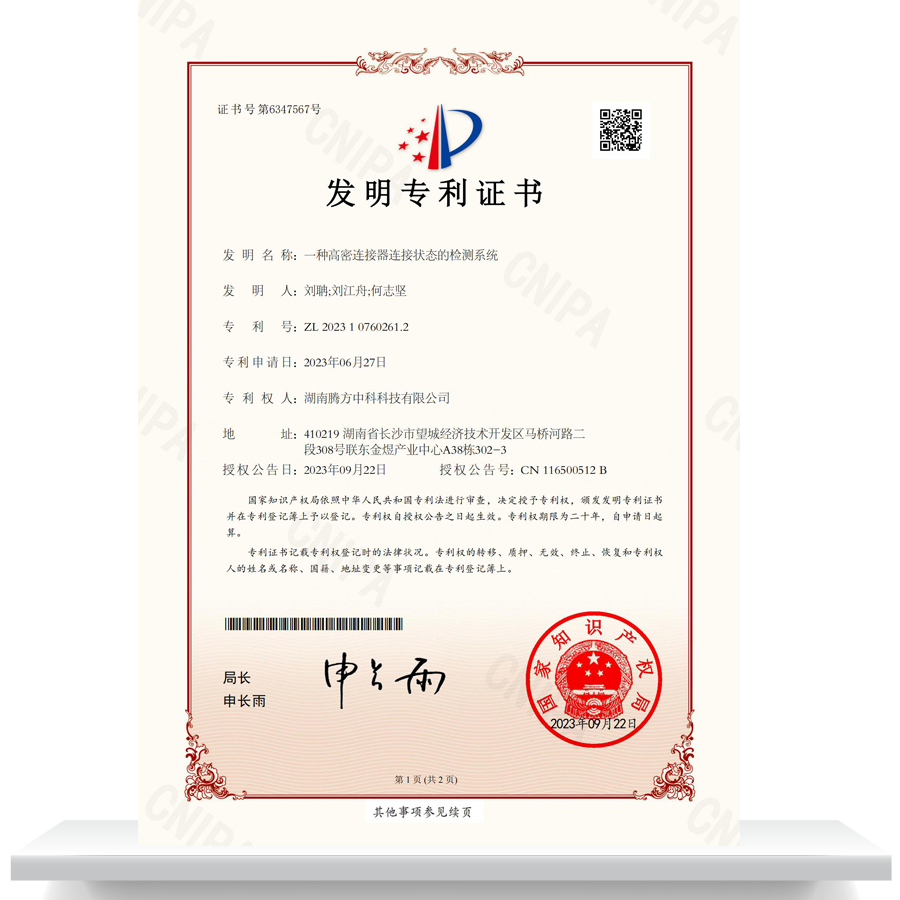
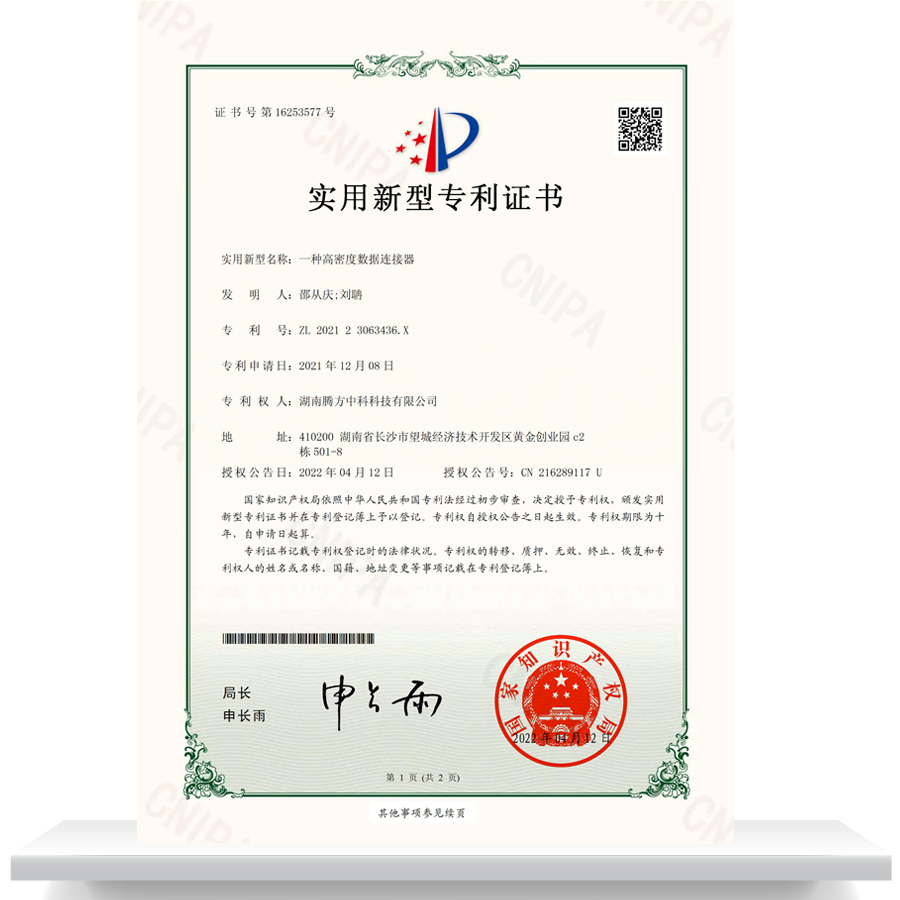
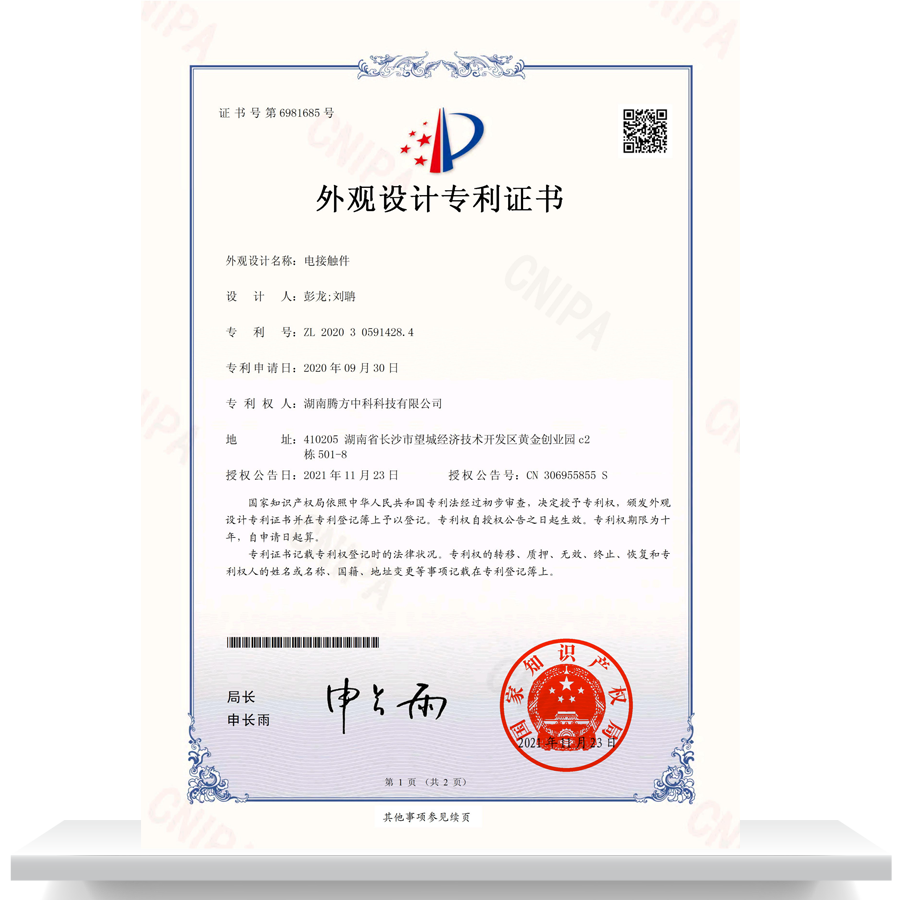
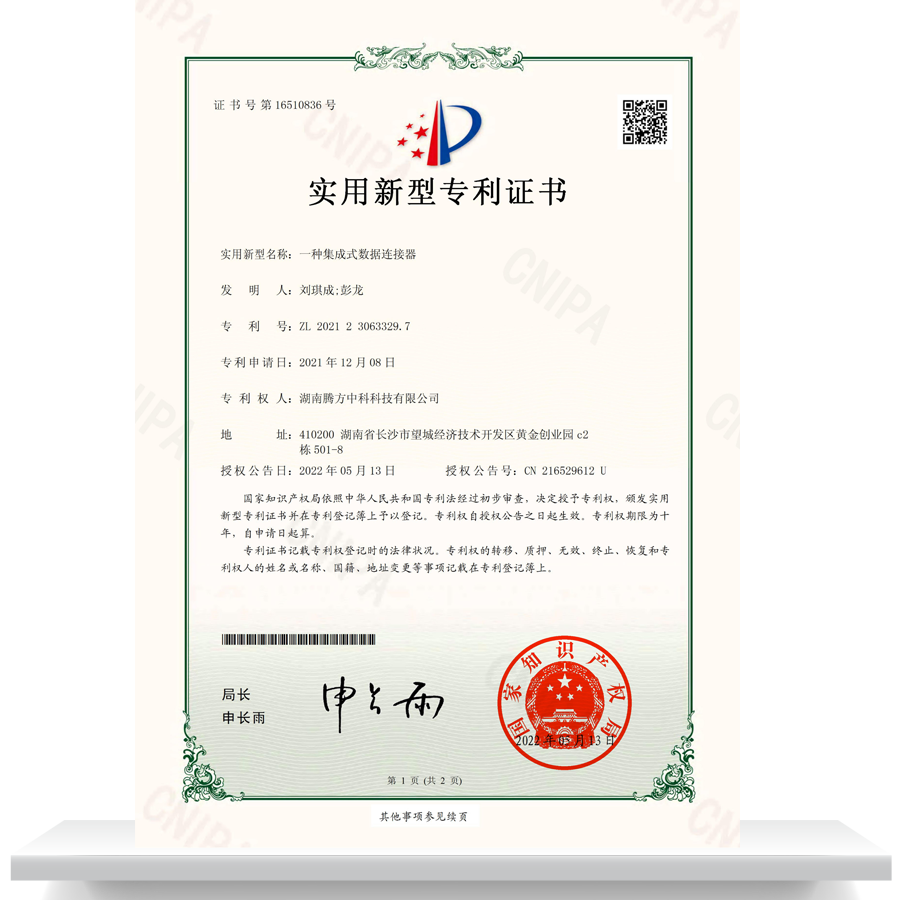
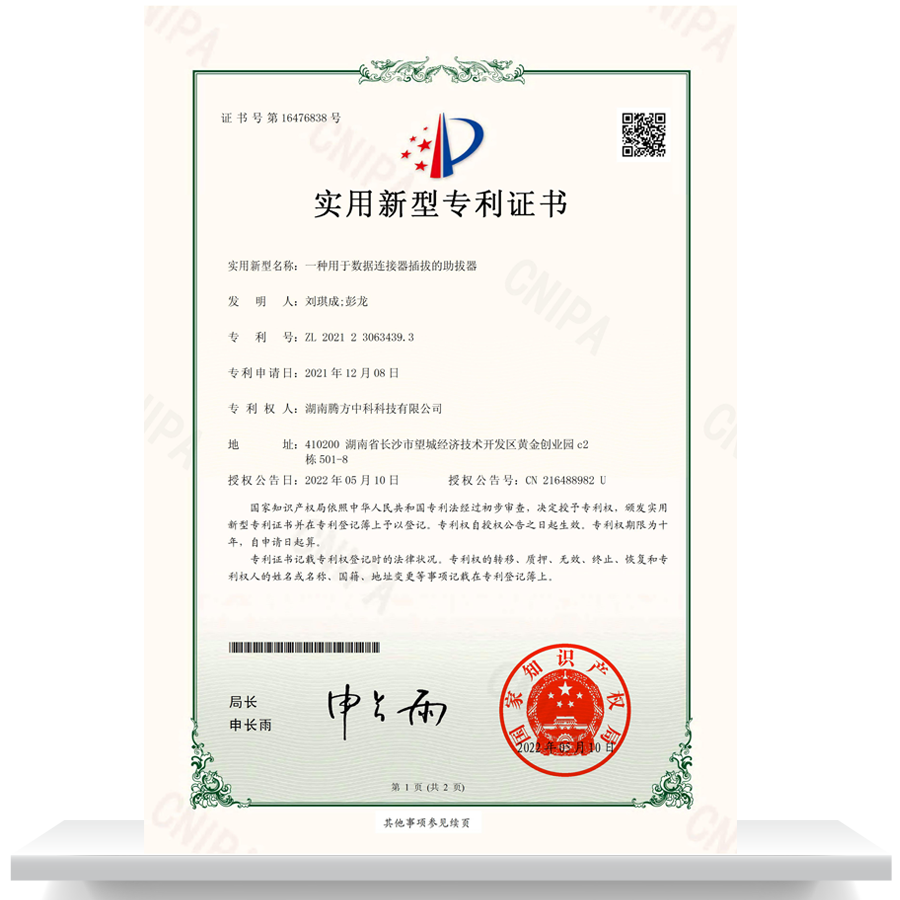
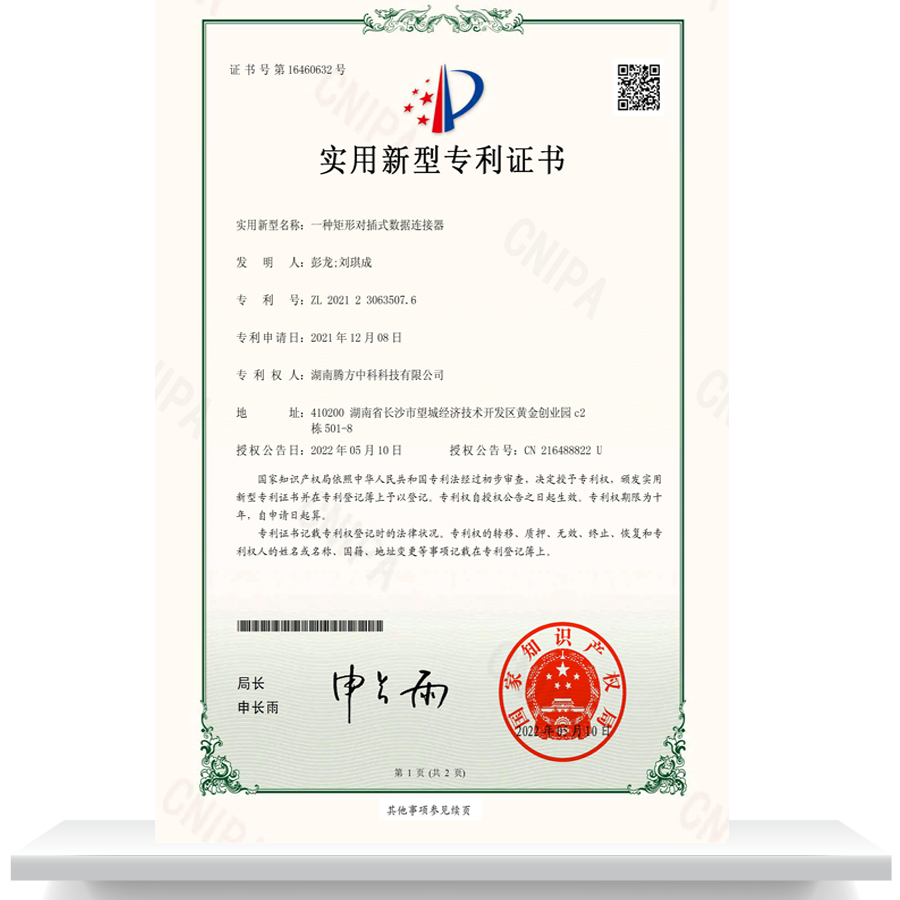
TFC was founded in 2015, with its headquarters located in Changsha, Hunan. It has a standardized workshop of over 6,000 square meters and takes "Making every connection more reliable, making every piece of data more accurate" as its guiding principle, dedicated to providing customers with high-performance component products and solutions. The company has three business divisions: Instrumentation, Connectors, and Sensors. It is a national high-tech enterprise integrating R&D, production, testing, and sales, covering technologies such as signal connection technology, signal conditioning technology, signal switching technology, and signal detection technology.
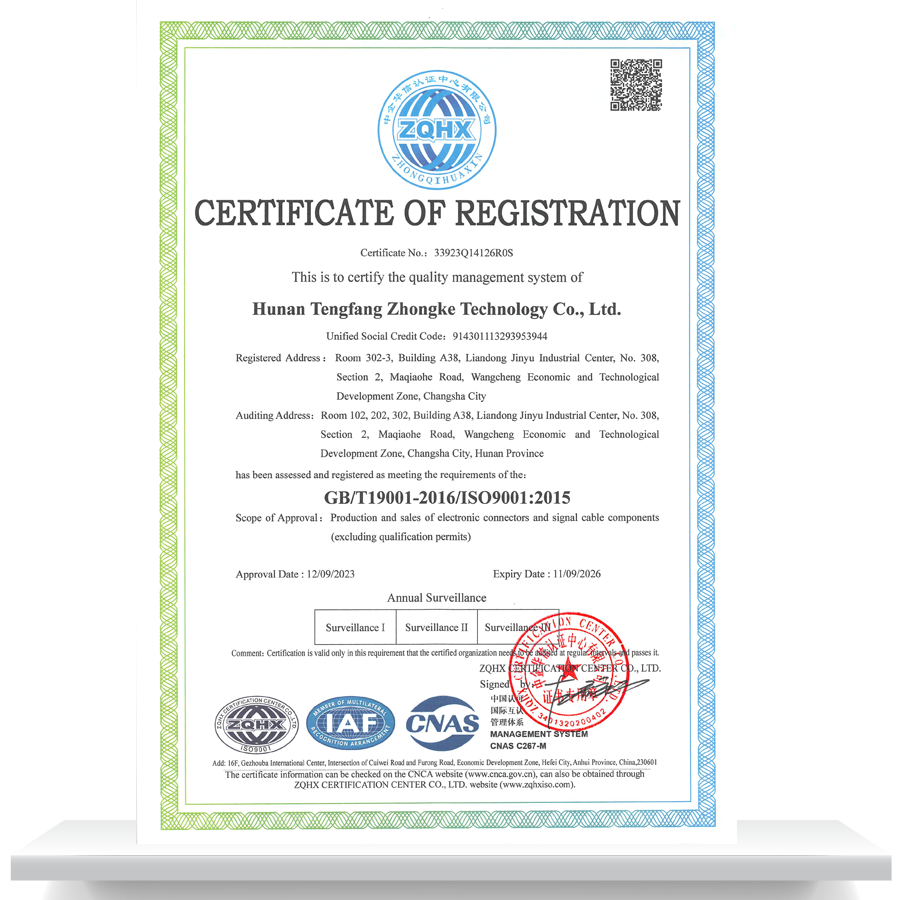
TFC has obtained National Standard (GB) Quality Management System Certification and Weapon Equipment (GJB) Quality System Certification. It has also established an independent and complete internal quality testing system. All products undergo strict full-process testing in accordance with national standards (GB) and weapon equipment standards (GJB) to ensure compliance and stability of performance.