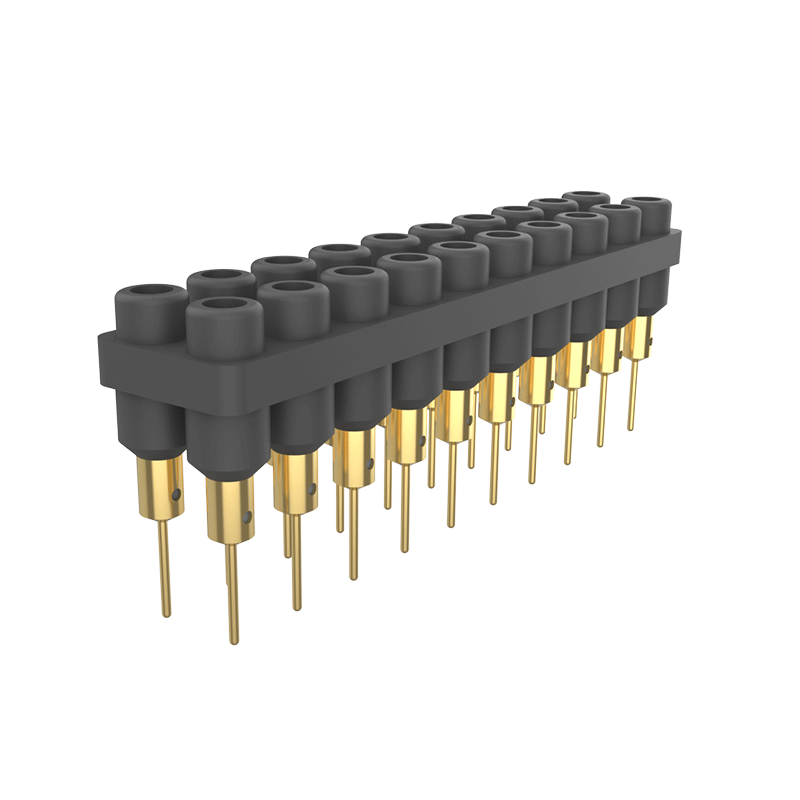
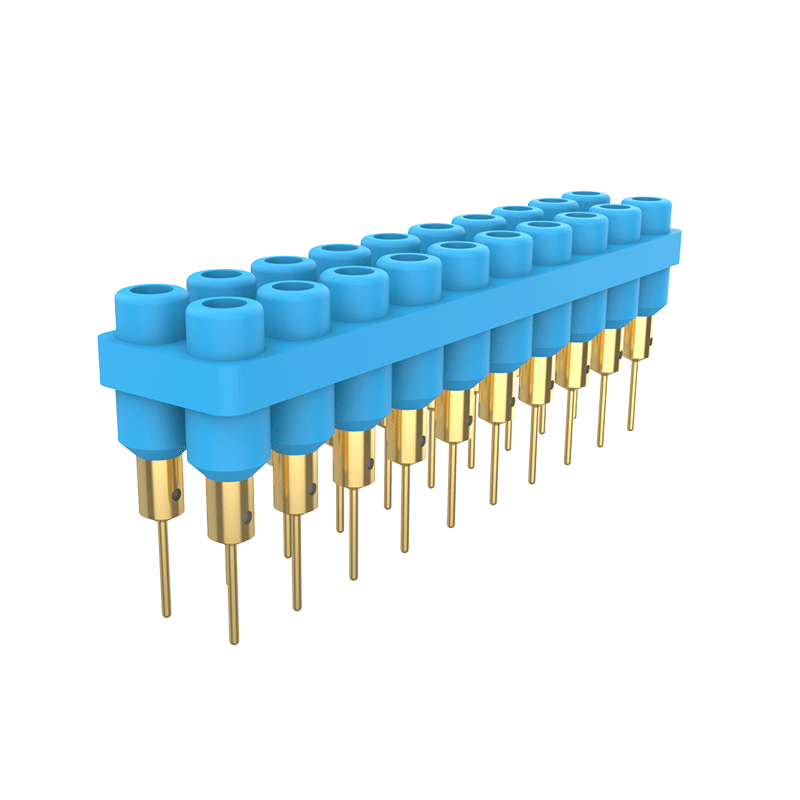
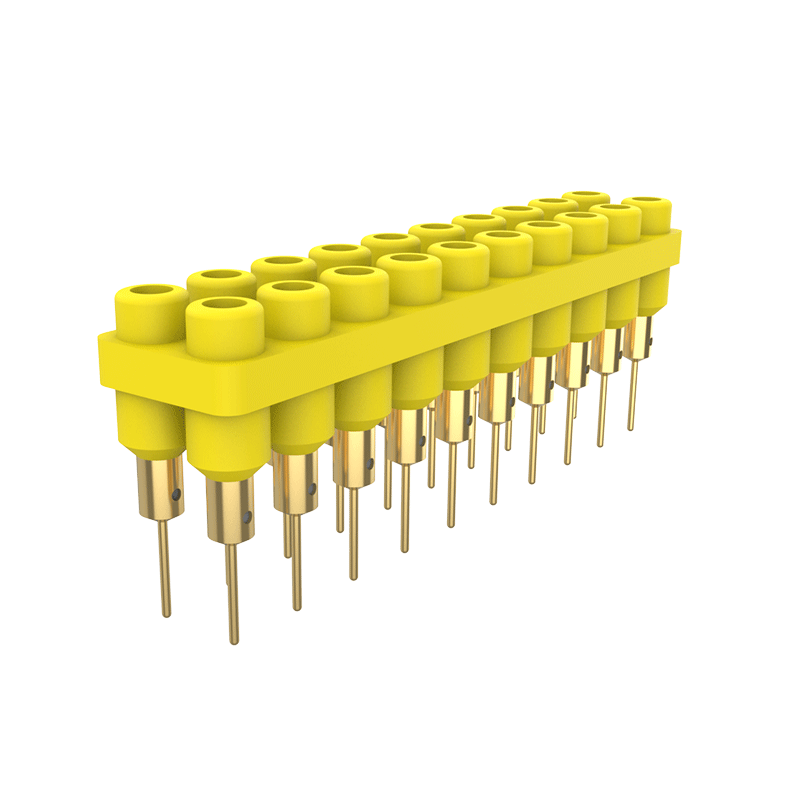
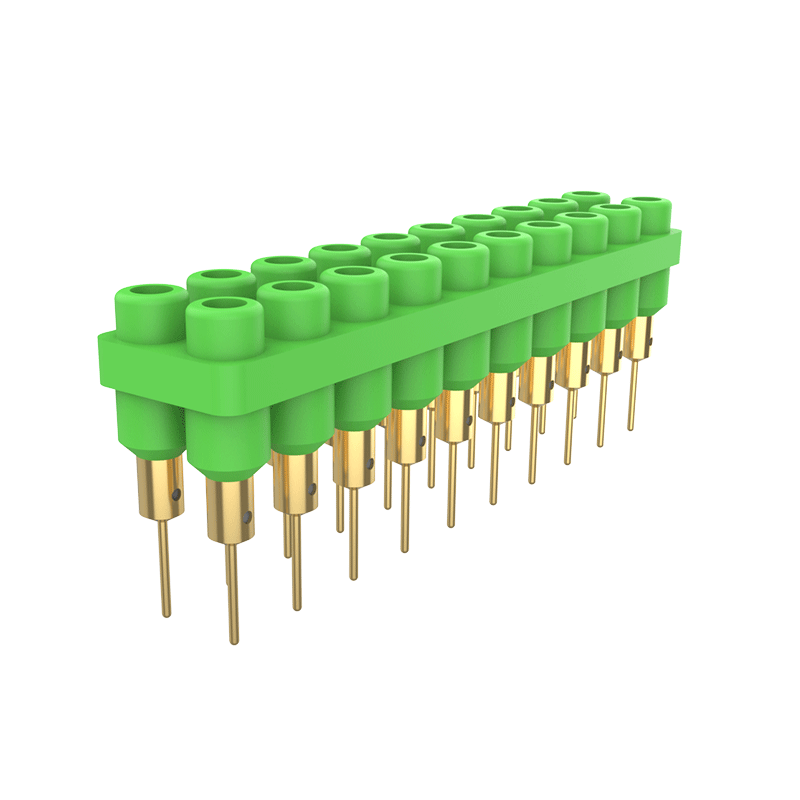
6mm Disconnection Block Socket PCB Version Banana Socket
CMC170102
Micro connector disconnection block
Non-customizable
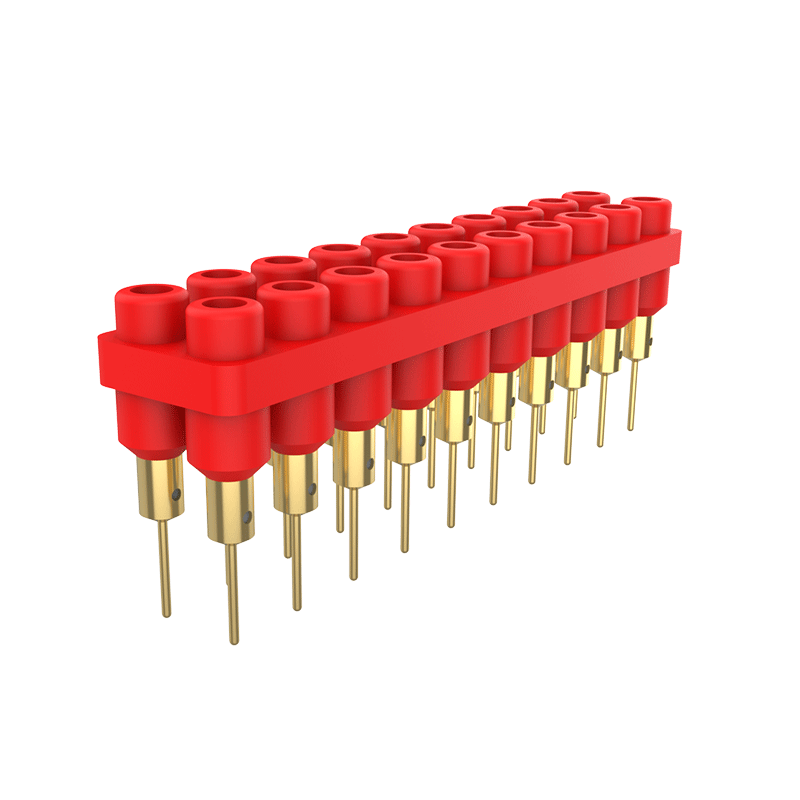
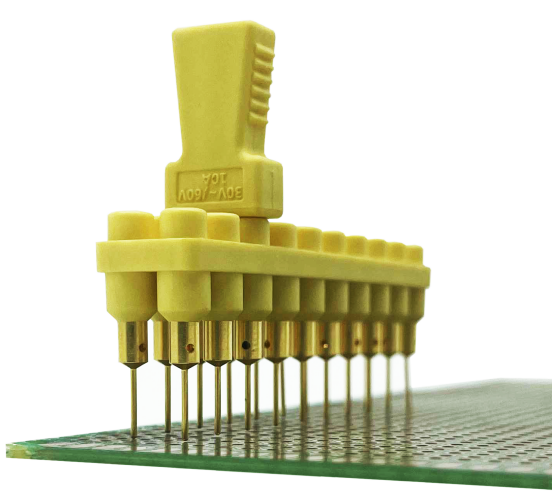
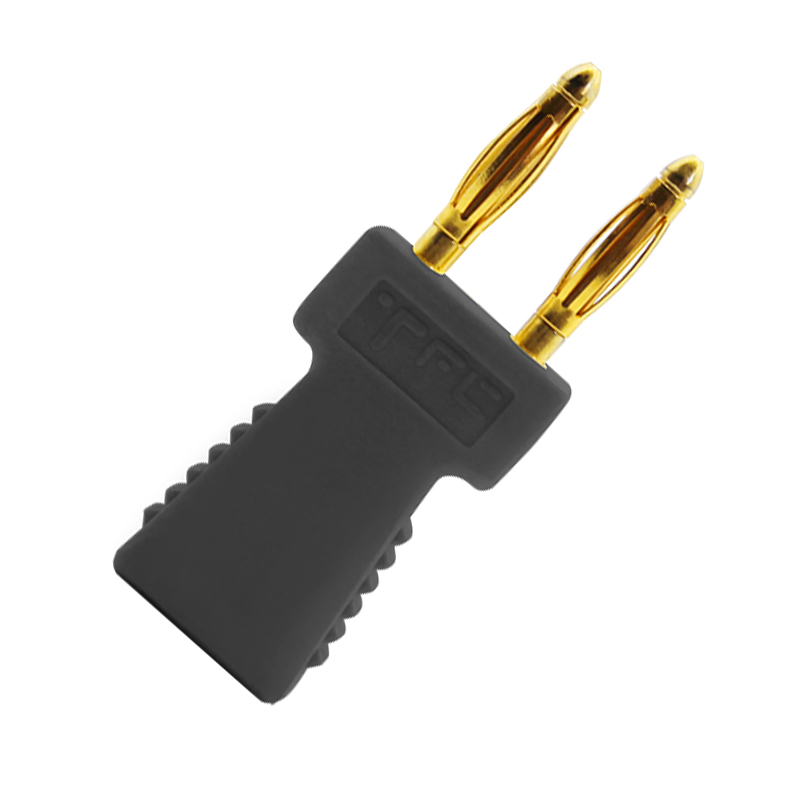
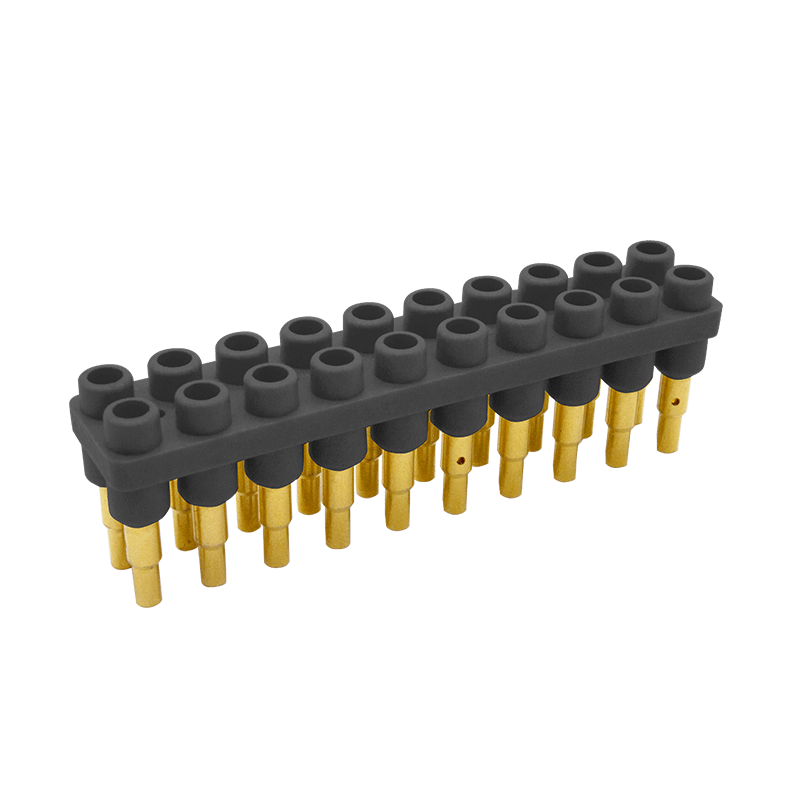
6mm disconnection block socket PCB board, 10 conduction terminals, the rated current can be 10A, with a rated voltage of 2000VAC, can be directly soldered to the PCB board, with a 2mm banana socket, can be used in combination with the banana socket as an MC test terminal, and can be converted into a disconnection test box.
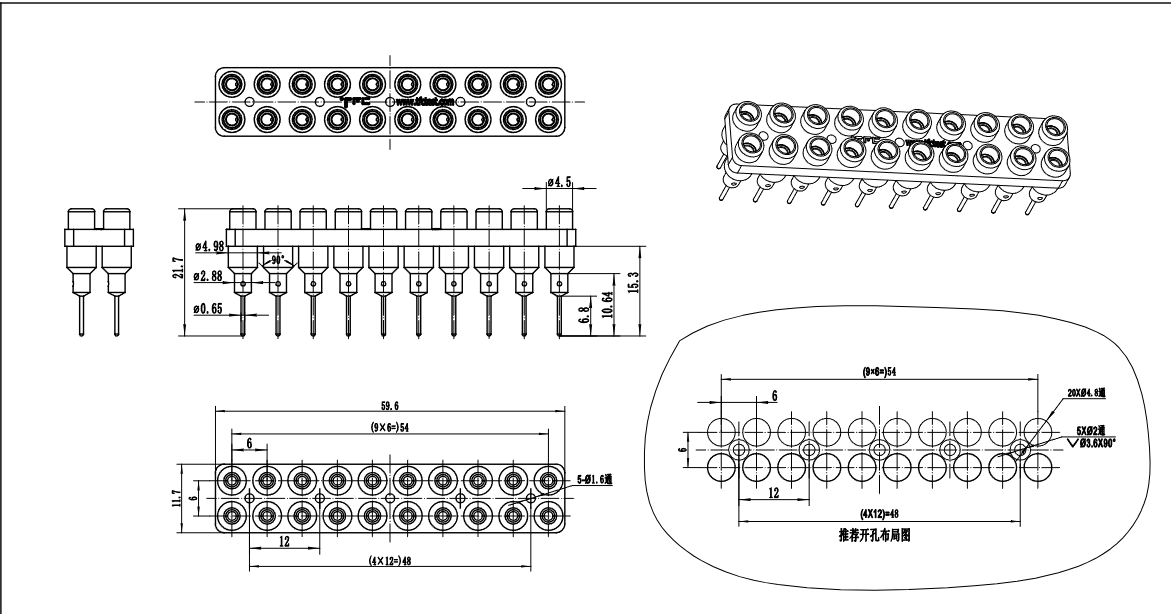
6mm disconnection block socket PCB version banana socket 2D Drawing
Application and advantages of 6mm disconnection block socket PCB version banana socket
The MC test terminal is also suitable for ATE system and equipment verification scenarios and can realize
centralized switch management of multiple signal channels. Simulate faults by manually inserting/removing (such as short circuits and open circuits) to verify the system's redundant design reliability more effectively.
Under special conditions, it can be used alone to control multiple signal channels. As a fault input terminal, the MC test terminal supports on-demand fault injection and prompt fault elimination, thereby complying with the strict detection requirements in the aerospace and ship engineering fields, etc.
The 6mm PCB installation disconnection block socket provides multi-signal compatibility and supports 10A power supply, CAN/LIN bus, and digital/analog mixed signal transmission. They are directly compatible with different test devices (e.g., ATE equipment, vehicle ECU test benches, industrial control equipment) without the need for adapters.
Put the 19-inch standard cabinet into use. The 4U panel integrates 14 disconnection modules to realize the centralized switch management of 280 signal channels. It is 30% smaller than the traditional
distributed solution, thus saving cabinet space substantially and increasing the integration density of the test system.
These 6mm sockets are the devices that are directly linked and secured to the PCB of the device through-hole soldering.
The MC test terminal gets rid of the wiring/layout requirement.
6mm disconnection block socket PCB version is capable of having a reduced installation volume and is a perfect solution for the installation of high-density cabinet signal modules. Direct
welding can facilitate signal transmission for multi-signal scenarios without the need for manual wiring, thus drastically cutting the possibility of errors and the occurrence of loose connection
wires while saving time.
FAQ
Question: How do you make holes in the product?
Answer: You may get in touch with the relevant customer service sales representative, who will provide the
corresponding opening size layout.
Question: How many different types of disconnection block sockets are there?
Answer: TFC Company currently has four types of socket options, including two types of 6mm and 12mm pitch
disconnection block sockets, which are further divided into regular models and PCB models. There are 4 kinds
of disconnection block sockets in total, and the corresponding plugs have 2 different spacings. Each
kind will have 5 colors, mainly for the visual division of different functional areas.
TFC was founded in 2015, with its headquarters located in Changsha, Hunan. It has a standardized workshop of over 6,000 square meters and takes "Making every connection more reliable, making every piece of data more accurate" as its guiding principle, dedicated to providing customers with high-performance component products and solutions. The company has three business divisions: Instrumentation, Connectors, and Sensors. It is a national high-tech enterprise integrating R&D, production, testing, and sales, covering technologies such as signal connection technology, signal conditioning technology, signal switching technology, and signal detection technology.
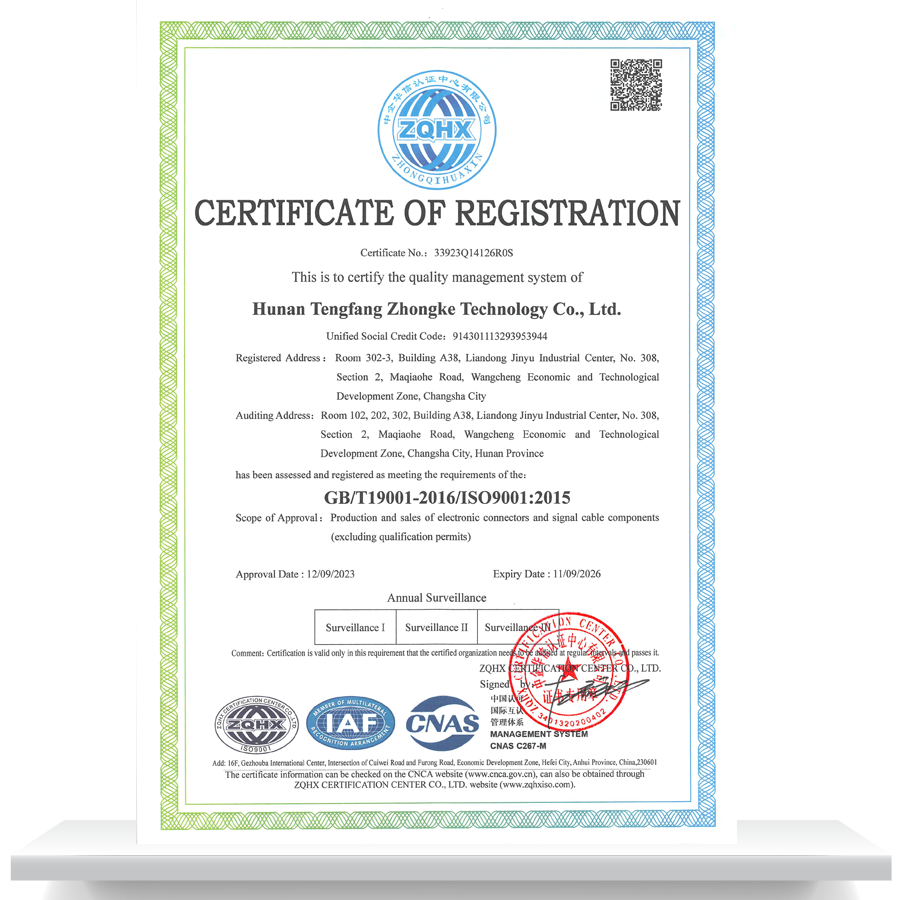
TFC has obtained National Standard (GB) Quality Management System Certification and Weapon Equipment (GJB) Quality System Certification. It has also established an independent and complete internal quality testing system. All products undergo strict full-process testing in accordance with national standards (GB) and weapon equipment standards (GJB) to ensure compliance and stability of performance.