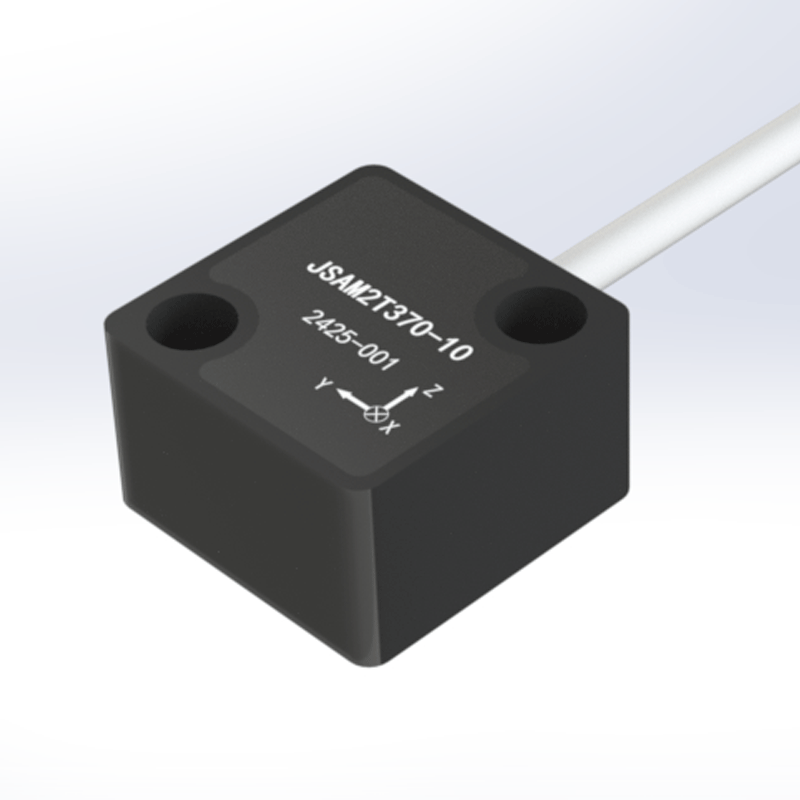
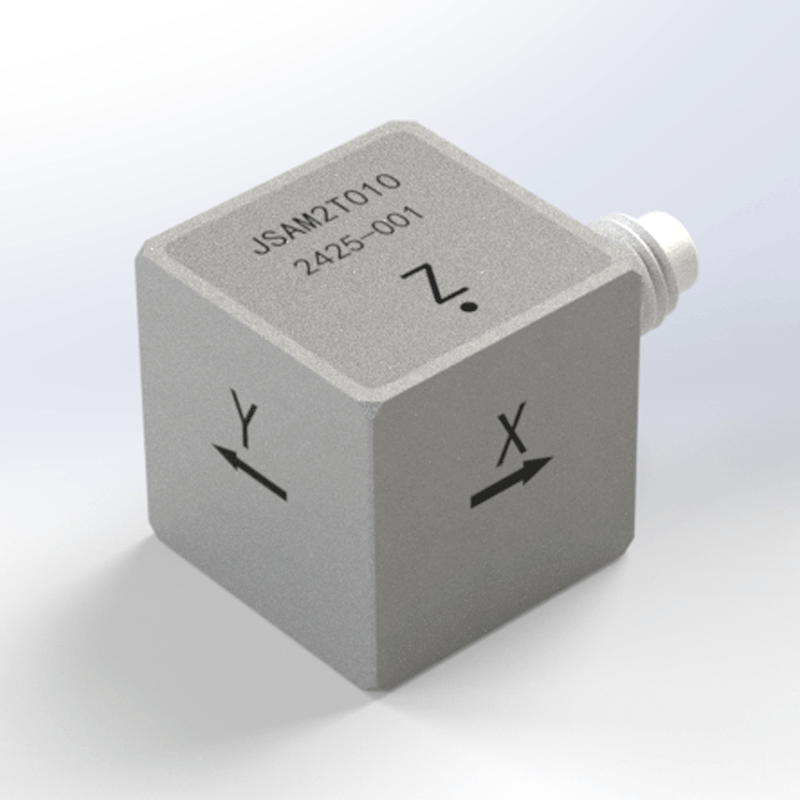
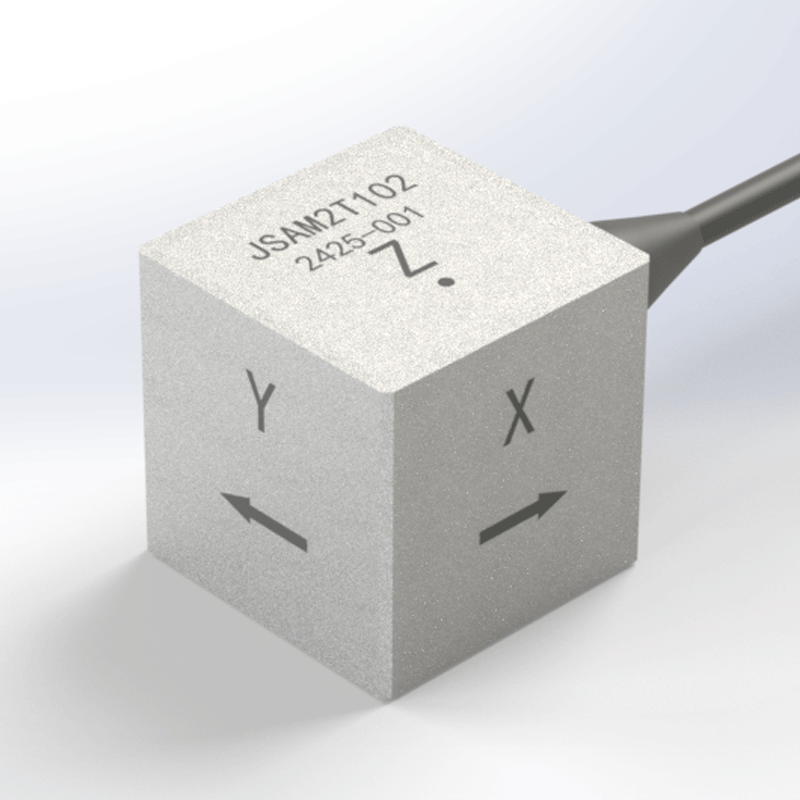
Key Features
• Made from 304 stainless steel
• Can measure ultra-low frequency acceleration
• Low power consumption: operating current of only 5mA
• Switchable measurement ranges: ±2g to ±30g
• Using MEMS variable capacitance technology
• Designed to be light: on
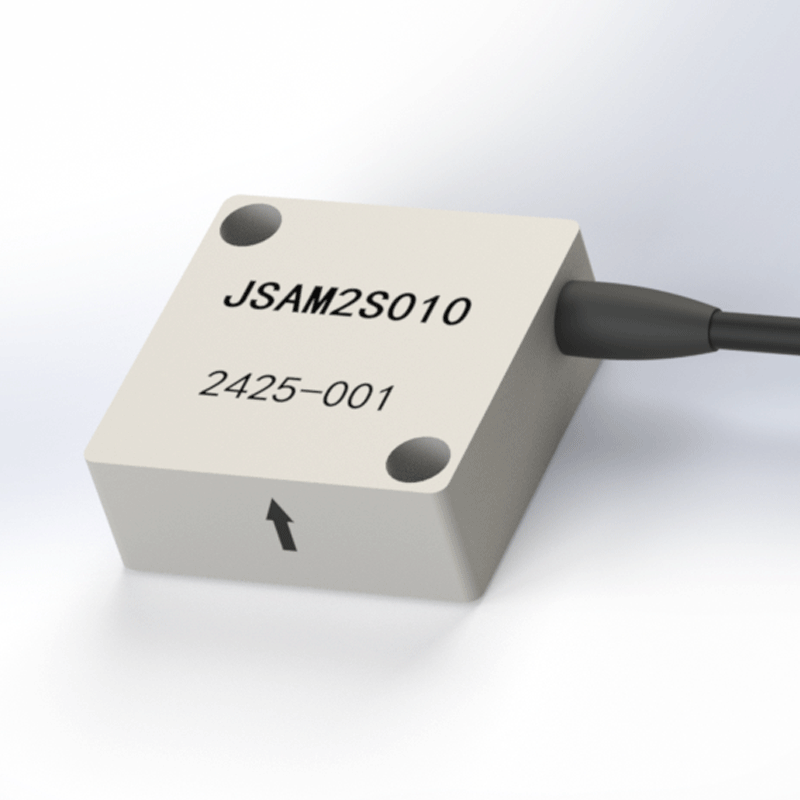
JSAM2S0 accelerometer is a MEMS variable capacitance acceleration sensor based on MEMS variable capacitance technology that can follow ultra-low frequency acceleration from 0 Hz. The sensor is made of 304 stainless steel in a monolithic structure, compact and lightweight (only 13g) for convenient mounting. An ultra-low current consumption of only 5mA makes it very energy efficient. The device is suitable for safety systems in vehicles, industrial equipment, consumer electronics, and other applications.
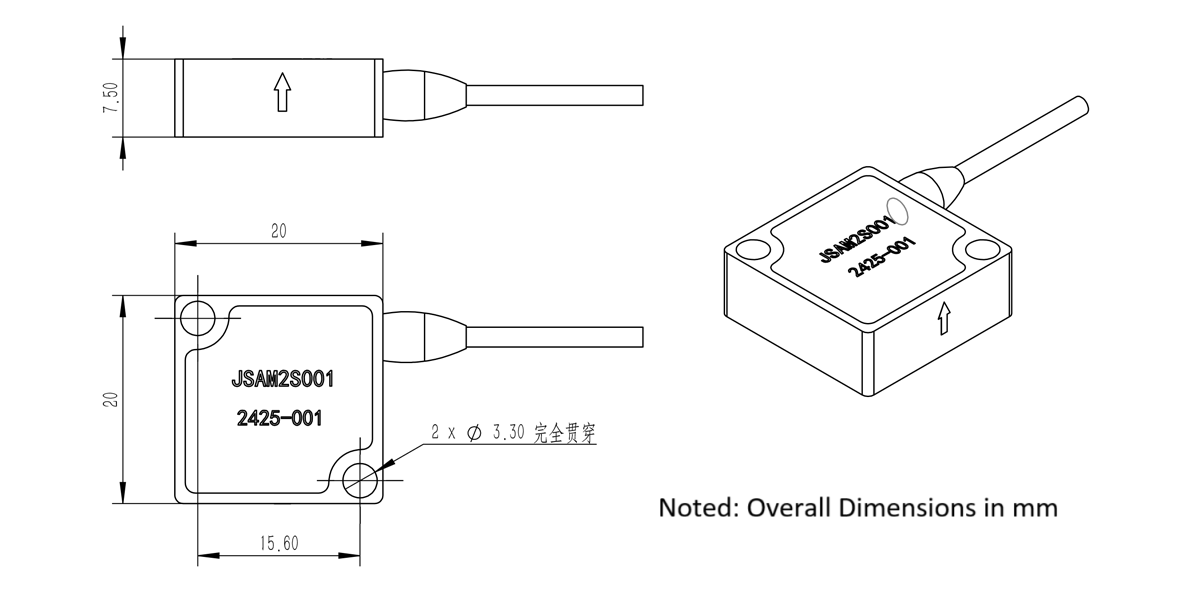
Product Dimensions
Electrical Interface
Wiring color
Red
Black/blue
Green
Yellow
White
Wiring Definition
Power positive
Power ground*
X-axis output
-
-
* Note: Reference ground for signal measurement
Performance Specifications
The JSAM2S0 sensor is a single-axis accelerometer designed for acceleration measurement. Its key performance specifications are listed as below. Unless otherwise specified, all testing was conducted under the following conditions: 12 VDC, 25°C, 50% R.H., and 1 standard atmosphere.
Q: 1. What is the main benefit of the JSAM2S0's DC response (0Hz starting frequency)?
A: The ability to measure acceleration down to 0Hz allows the device to monitor constant or very slow accelerations, such as:
Static tilt angles in industrial equipment monitoring
Long-duration vibration shifts in structural health monitoring
Ultra-low frequency motion in automotive safety systems makes it suitable for applications in which traditional AC-coupled accelerometers would fail to detect very low-frequency signals.
Q: 2. In what way does the 304 stainless steel monolithic structure improve my application?
A: The single-piece 304 stainless steel construction gives:
Very good resistance to corrosion in harsh environments (humidity, chemicals)
Strong structure and minimal deformation of the housing for proper signal transfer
Great resistance to mechanical shock and vibration
EMI/RFI protection for stable performance in electrically noisy surroundings
Q: 3. What is the practical implication of the 5000g shock resistance?
A: The 5000g shock survival rating makes sure of:
Operation in situations with a strong impact (e.g., car crash tests, hammer mill monitoring)
Stability over a long period of time in cases of mechanical overload that occurs occasionally
Lower risk of damage while handling, installing, and working with the device
Q: 4. How will the 5mA low power consumption be of use to battery-powered systems?
Battery life will be greatly prolonged in portable/wireless monitoring setups, with the heat generated being very low as well, and the measurement can stay stable.
Low-power embedded systems and IoT devices will be compatible with the sensor.
Additional Technical Note
The 35-60 μg/√Hz noise density makes this sensor an ideal solution for applications that require the high-resolution measurement of very low-level vibrations while keeping an excellent signal-to-noise ratio over the whole frequency range (0-800Hz).
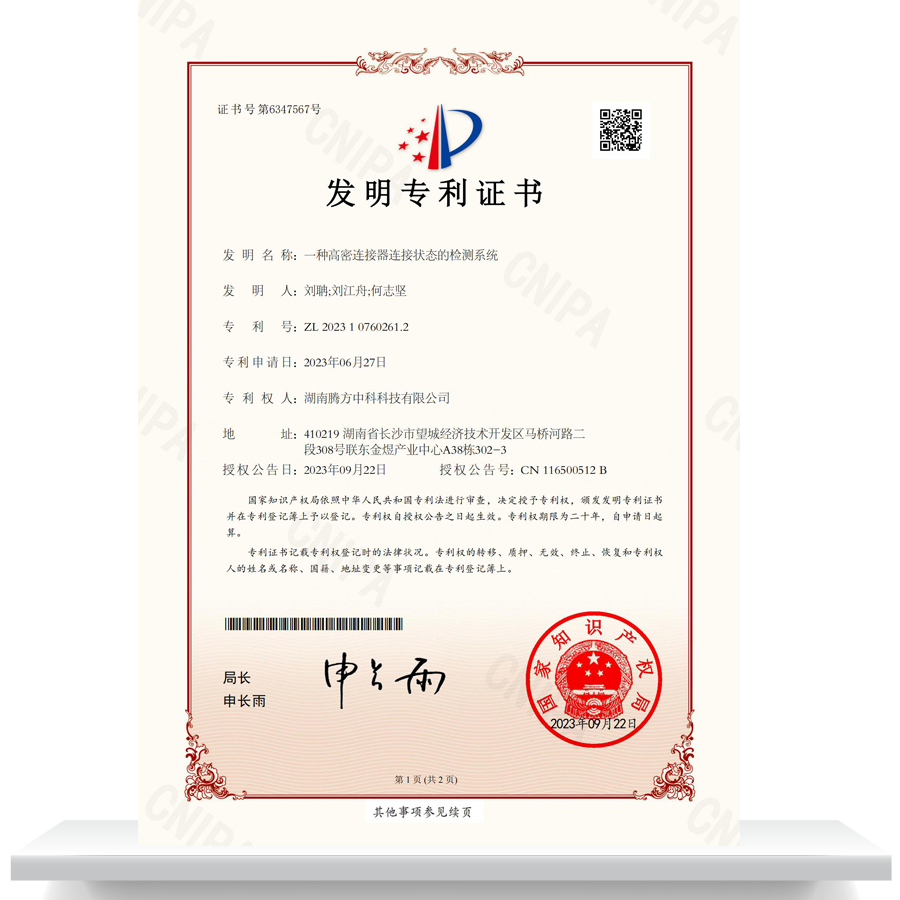
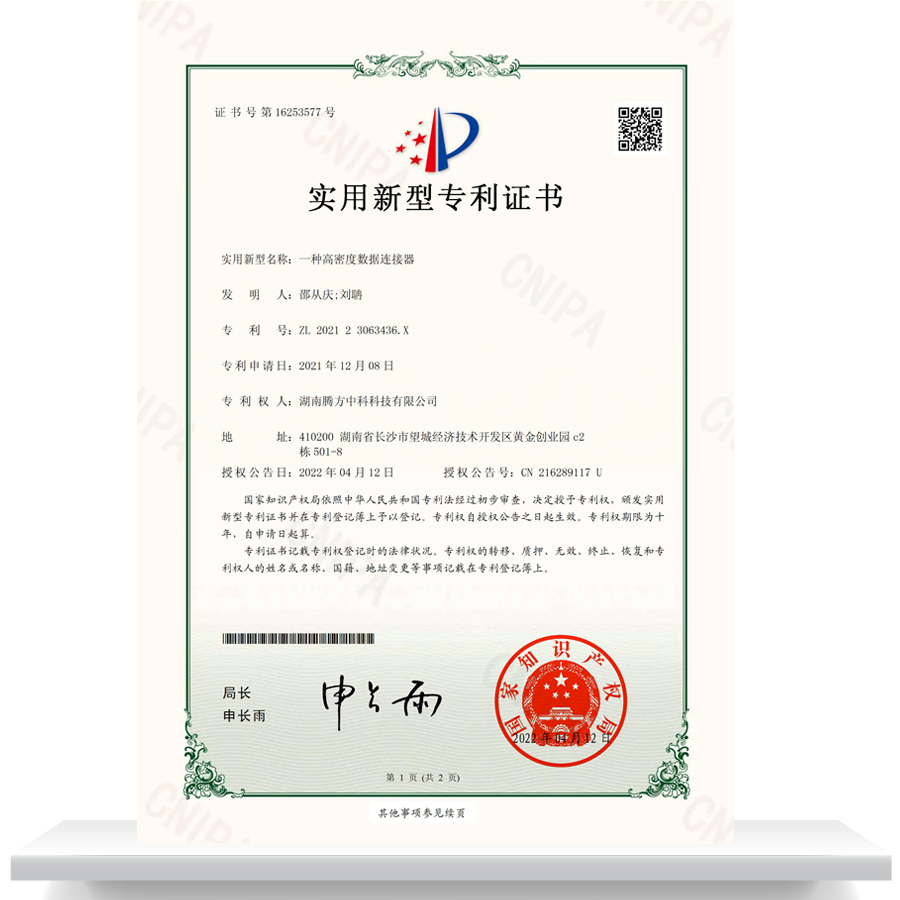
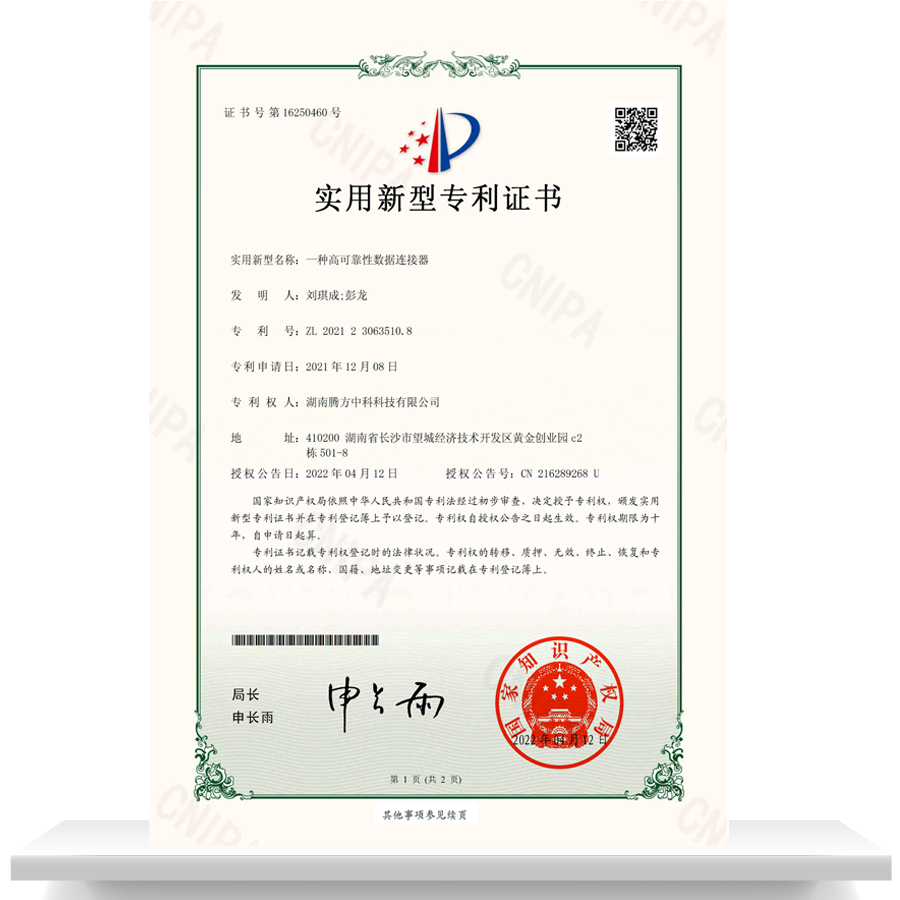
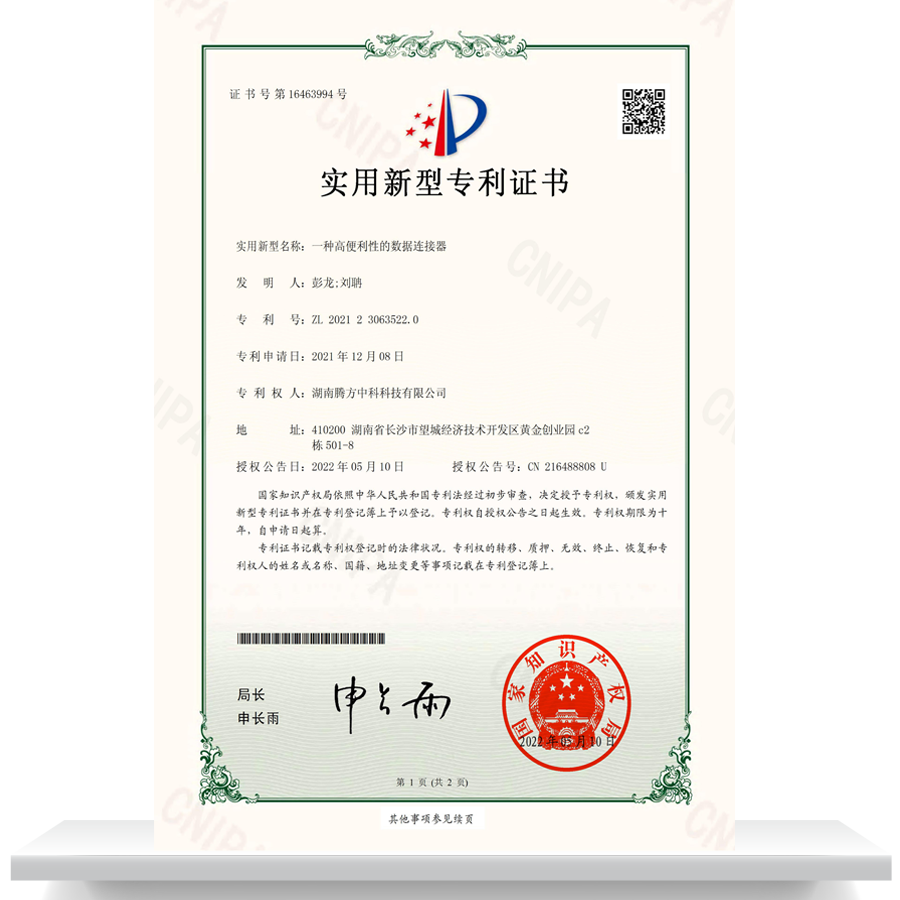
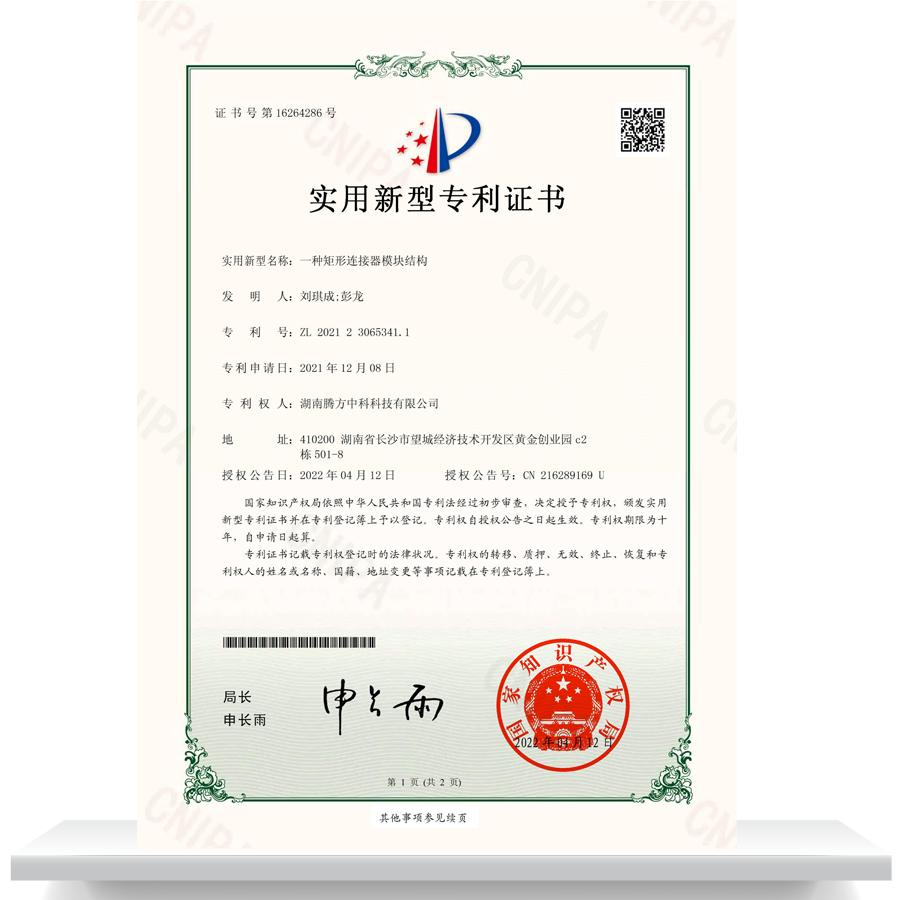
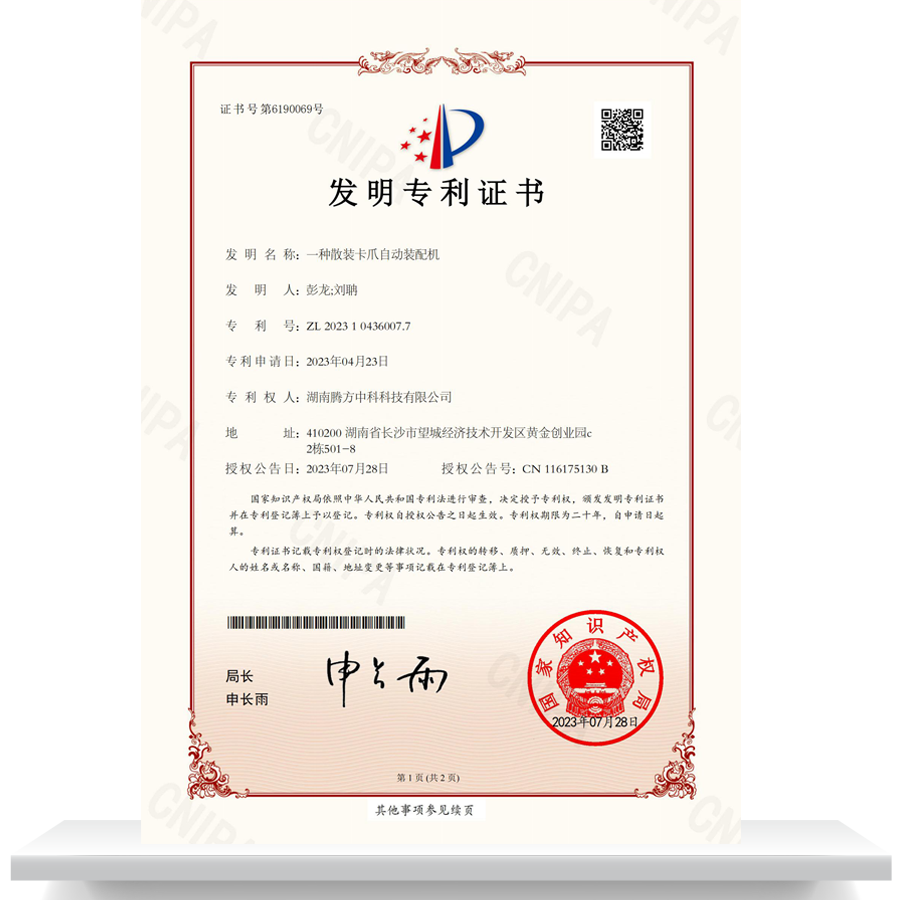
TFC was founded in 2015, with its headquarters located in Changsha, Hunan. It has a standardized workshop of over 6,000 square meters and takes "Making every connection more reliable, making every piece of data more accurate" as its guiding principle, dedicated to providing customers with high-performance component products and solutions. The company has three business divisions: Instrumentation, Connectors, and Sensors. It is a national high-tech enterprise integrating R&D, production, testing, and sales, covering technologies such as signal connection technology, signal conditioning technology, signal switching technology, and signal detection technology.
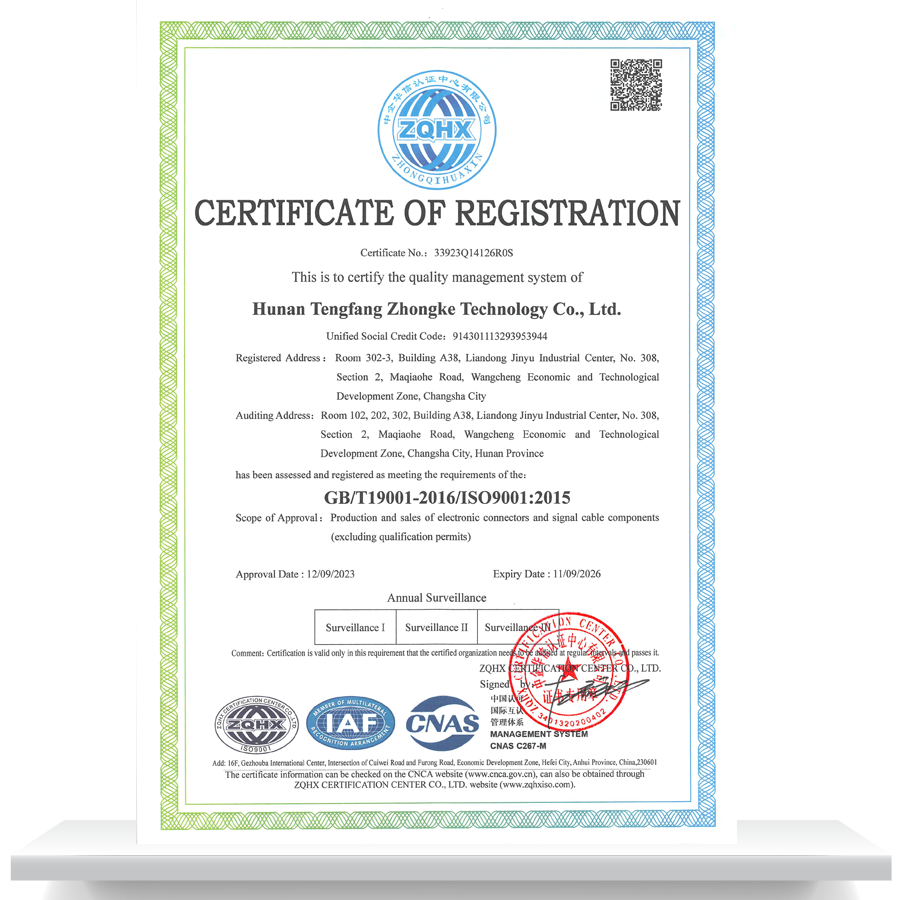
TFC has obtained National Standard (GB) Quality Management System Certification and Weapon Equipment (GJB) Quality System Certification. It has also established an independent and complete internal quality testing system. All products undergo strict full-process testing in accordance with national standards (GB) and weapon equipment standards (GJB) to ensure compliance and stability of performance.