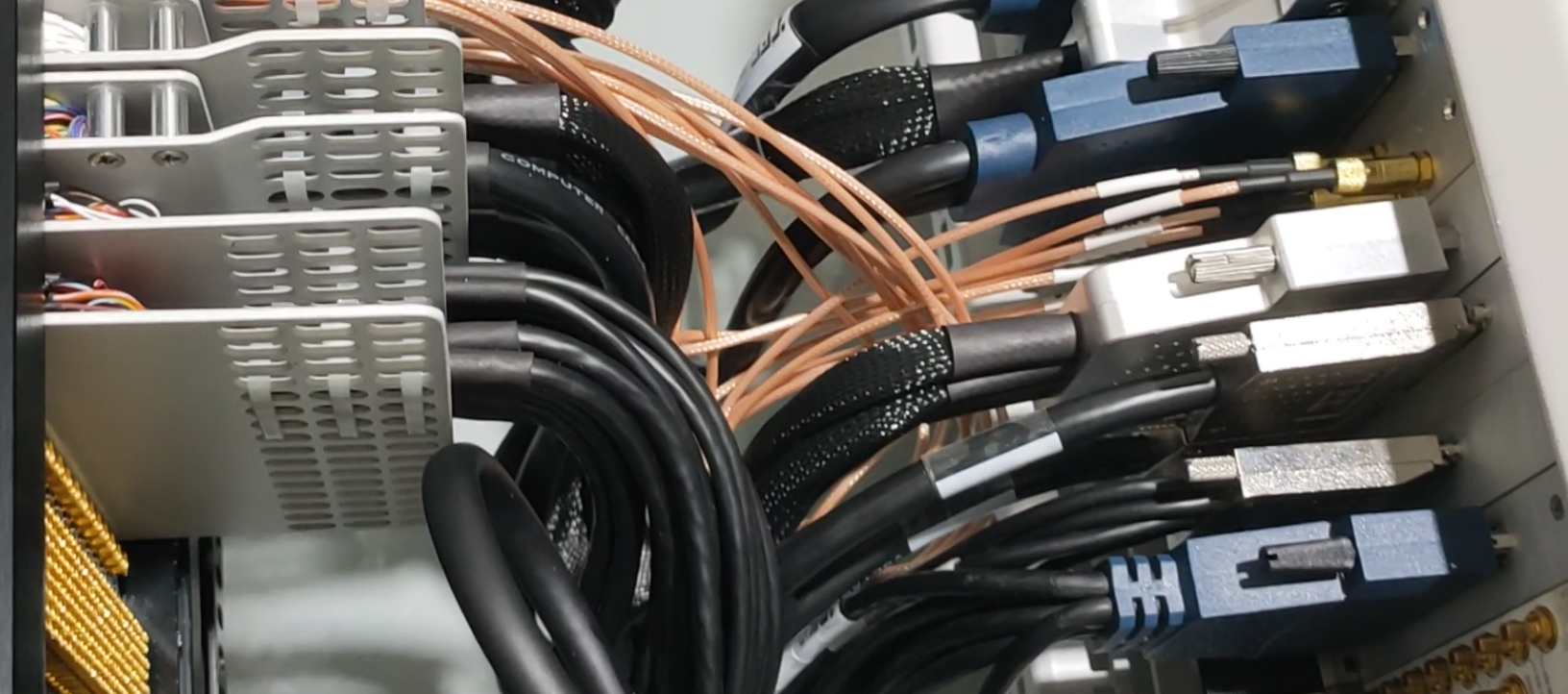
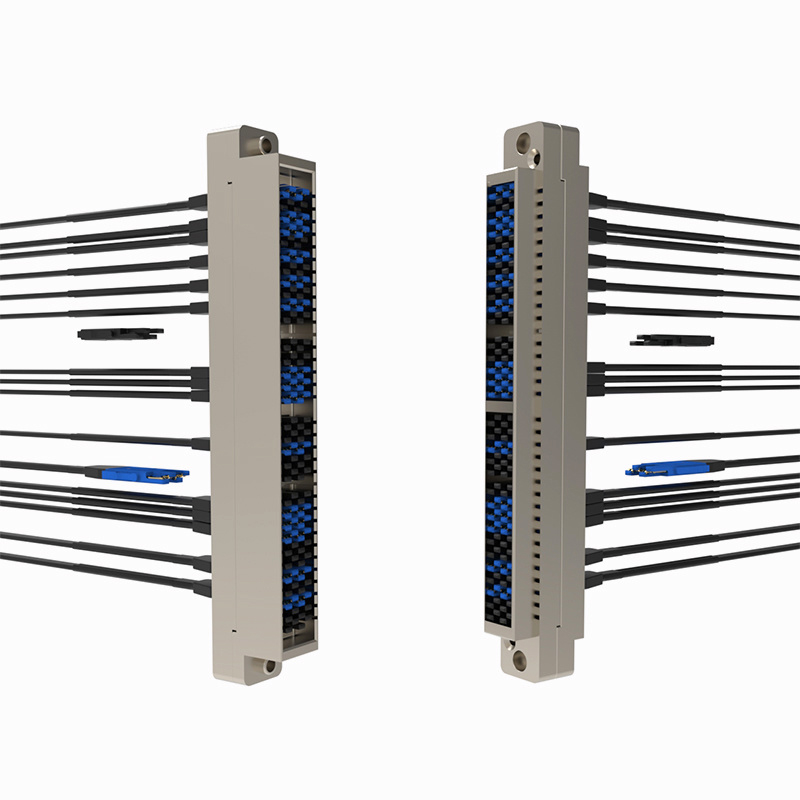
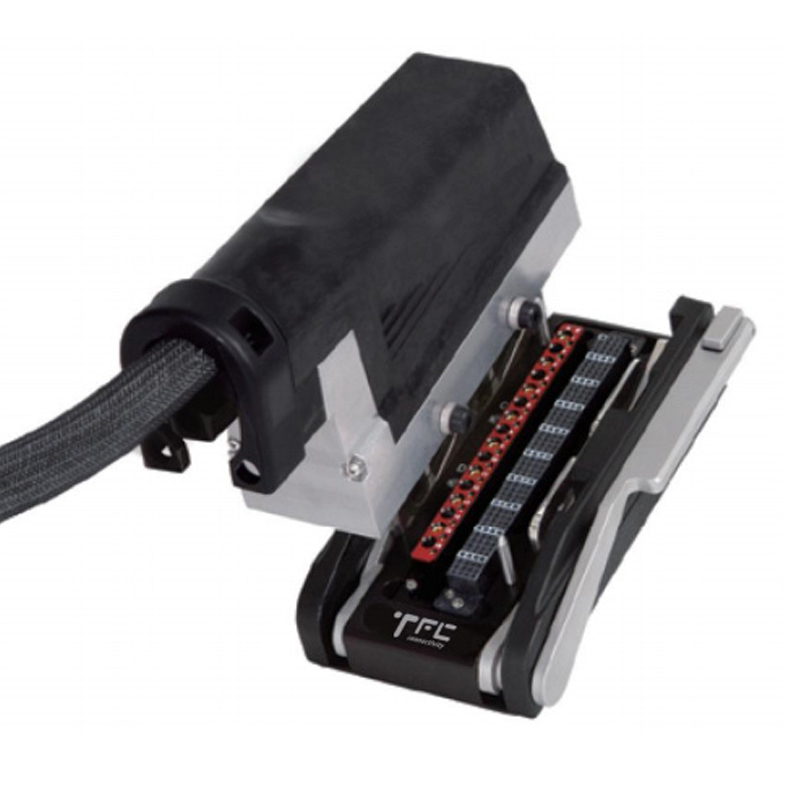
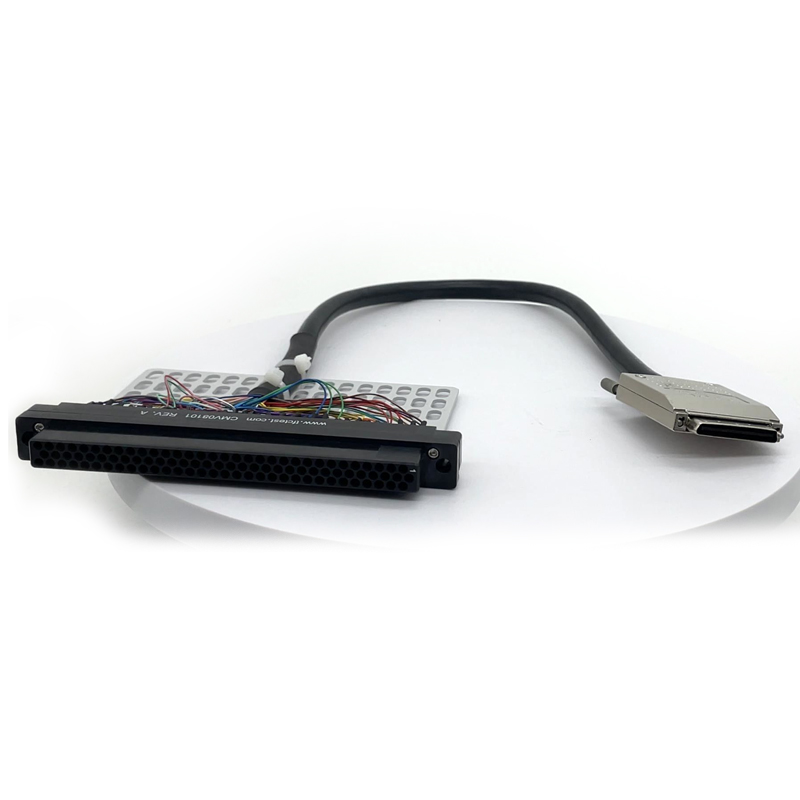
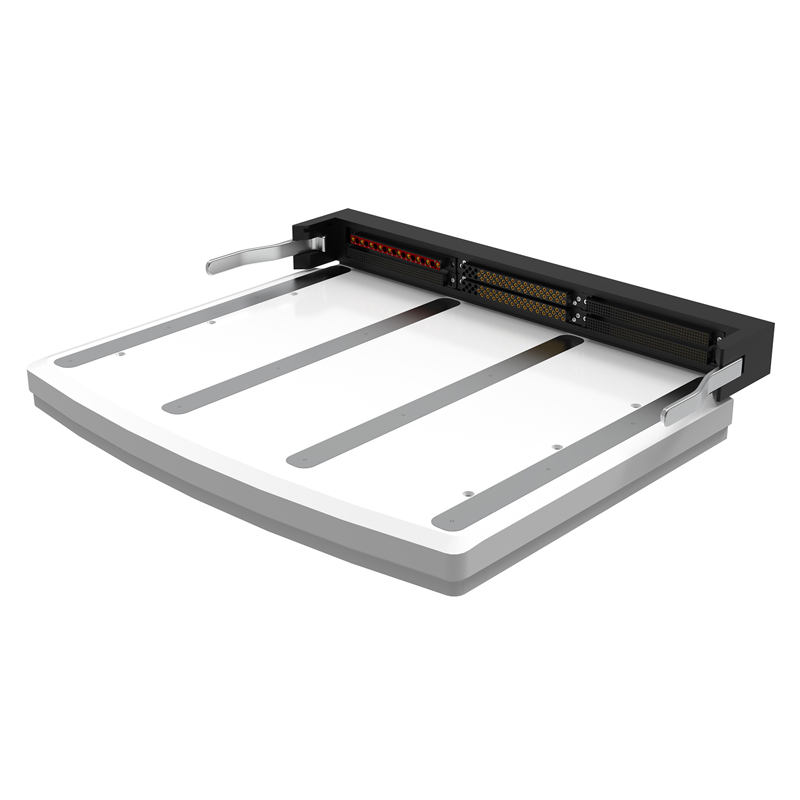
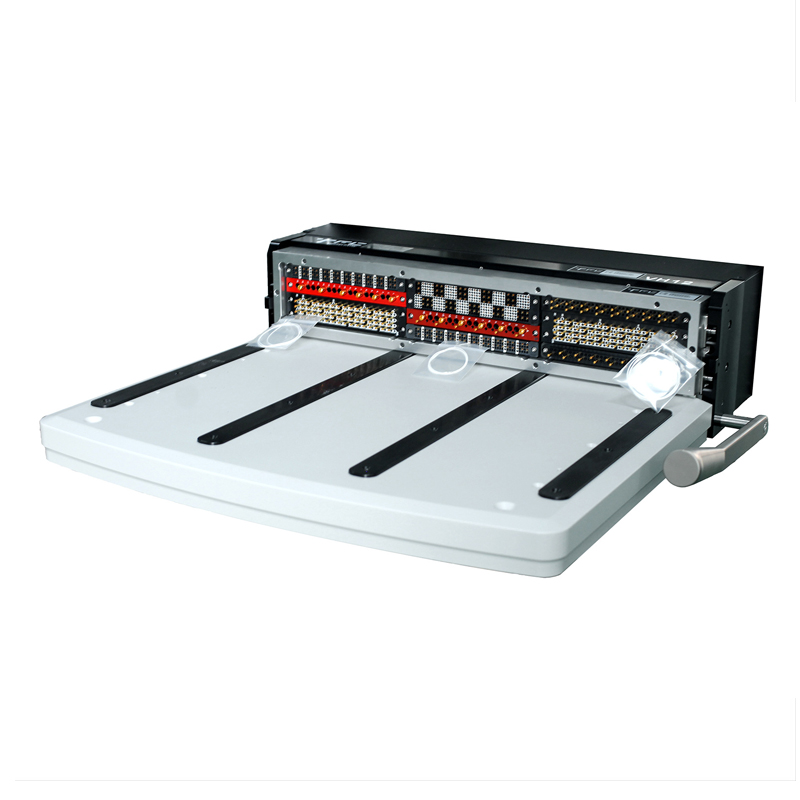
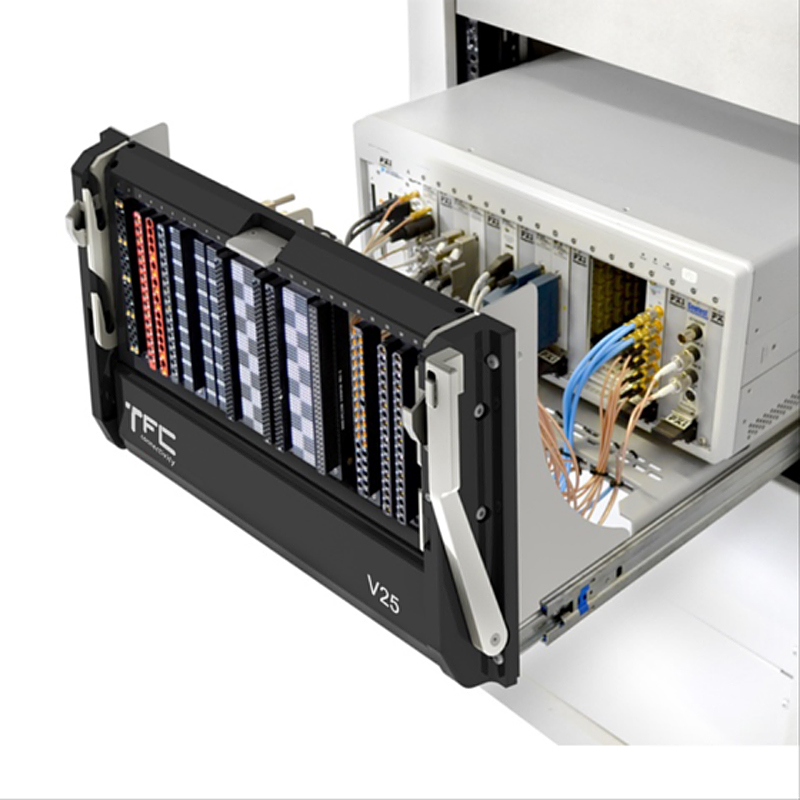
The structure and composition of the 200-pin board card connector
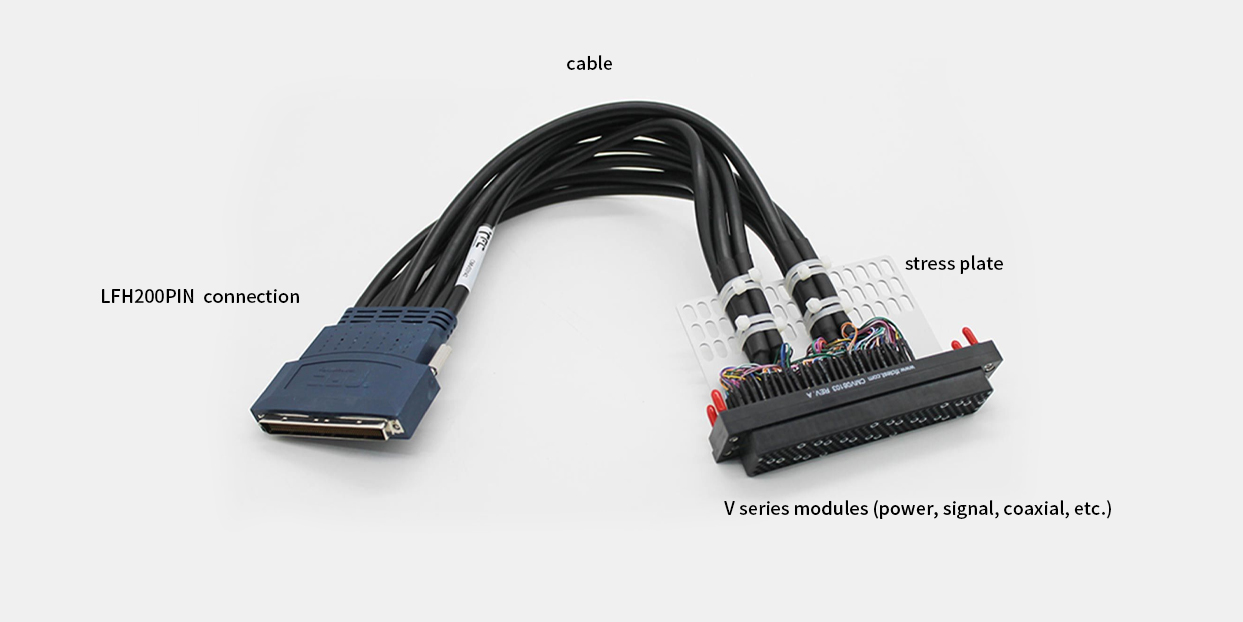
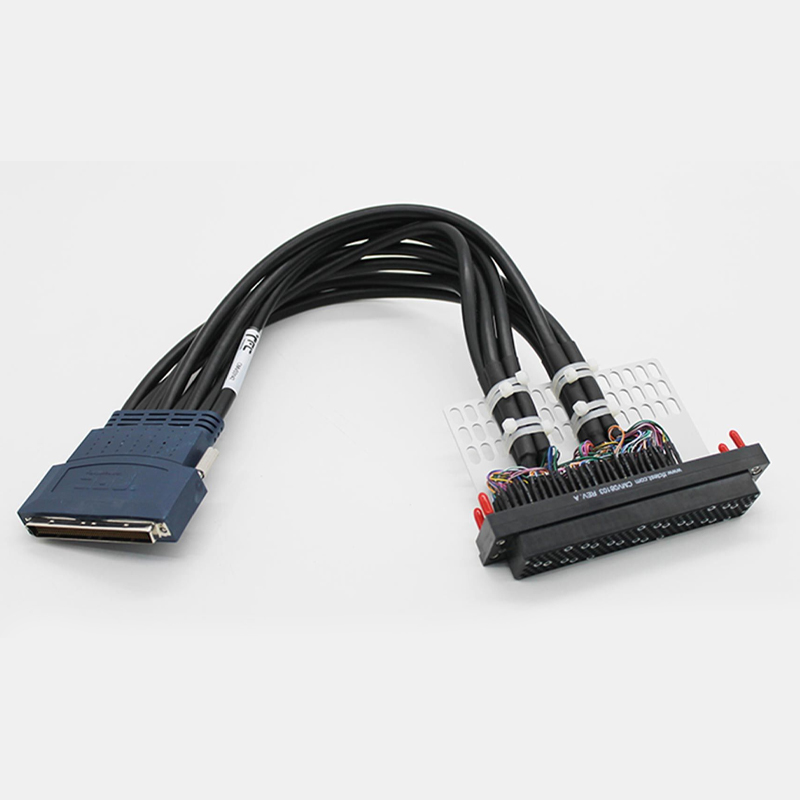
Core basic components: The main components are the LFH200 series 200-pin connector with the corresponding module pinholes and
cables, thus creating a complete interconnection transmission
kit. It is the core carrier for signal/current transmission
and meets the basic connection requirements with external devices.
Structural reinforcement components: The key structural parts are the stress plates that are fixed on the cables and can thus disperse the force, save the cable from breaking, and the good contact from getting worse due to long-term stress concentration, and, generally, they help to increase the overall structural stability and the service life of the components.Connection adaptation component:
Interface compatibility: Fitted with an LFH200-Pin male connector, it is utilized for interface matching with the corresponding devices. Besides those, it is also ICA and TRI modules compatible to ensure a precise connection with the specific modules. Fixed components: Some models (like CMV03142) may have 4-40 screws for the component
installation and fixation, thus, after connection, the stability is maintained, and the loosening that can occur cause transmission to be affected is prevented.
200-pin board card compatible component: PXI series large-scale interconnection connector component
1. Great compatibility and low integration cost of the component: As a fully
compatible board card component for the LFH200 series (including module pinholes, cables, and 200-pin connectors),
it is compatible with any type of PXI ecosystem boards and will only allow
the connection of various general-purpose boards without the need of additional
compatibility parts, which in turn drastically lowers the system integration
cost and the difficulty of compatibility.
2. Scenario flexibility is high, selection complexity low: It is capable of
handling various kinds of testing needs. Being compatible with different
boards and ICA/TRI modules means that there is no need to separately choose for
different testing scenarios, which effectively lowers the selection complexity
and makes it possible to be used in a wide range of testing scenarios from
conventional to specific boards.
3. Total quality assurance and maintenance convenience: There is a 3-year
warranty on interconnection interface components, along with a 2D warranty technical
drawings (which facilitate custom wiring planning). Together with the
component's own stress plate structure (which lessens cable stress and thus
diminishes damage), the whole process from the very first integration and
deployment to the subsequent maintenance becomes quite easy; besides, there is
an obvious guide for it, thus, the stable service life of the components is
extended.
4. Rapid fault response and standardized design: The system is
modular structurally, and comes with standard LFH200-Pin male head interfaces and
fasteners (like 4-40 CMV03142 screws) for easy installation. In case of a fault,
the cable can be changed very quickly in less than 10 minutes; thus, the time for
testing is shortened to a great extent. A production line or any other place with
high-efficiency requirements is, therefore, the most suitable scenario for it.
5. Short- or long-length flexible adaptation and minimum signal risk:
Besides the fact that 0.5m is the standard length, it can also be bulk customized
into non-standard lengths (e.g., 1m, 2m) so as to cater to the special situations of
the chassis layout. By doing so, users are not burdened with the task of cutting
the cable on their own, and thus, the risk of signal loss due to wire-cutting at
The source is minimized, which ensures that the transmission is kept stable.
6. Efficient integration and the presence of a cost-reducing structure:
As an isolated interconnection interface component, it can be very quickly
inserted to be in line with the board card without the need for a complicated
assembly, thus, the installation time is greatly reduced. The standard module
bit is of small size, which makes it a good balance between the integration
efficiency and space utilization.